
 EN
 ar
 bg
 hr
 cs
 da
 nl
 fi
 fr
 de
 el
 hi
 it
 ko
 no
 pl
 pt
 ro
 ru
 es
 sv
 tl
 iw
 id
 lv
 lt
 sr
 sk
 sl
 uk
 vi
 et
 hu
 th
 tr
 fa
 ms
 hy
 ka
 ur
 bn
 mn
 ta
 kk
 uz
 ku

Accelerometer
For seismic and impact-related projects, Kingmach Accelerometer help capture motion during short, important events. Earthquake activity, blasting, collapse risk, impact, and heavy construction can create signals that must be stored with accurate timing and location. The monitoring plan should make clear which points are critical, how records are triggered, and who reviews the event after it occurs. A sensor that works well in ordinary conditions still needs a data path ready for sudden motion. Dynamic monitoring in this setting is about preparedness, reliable capture, and reviewable evidence. The project record should also preserve field notes, related structural readings, and any inspection result after the event. That is what turns an acceleration trace into useful engineering information.
The report should not leave the waveform isolated. It should explain what the asset was doing, why the point was measured, which event triggered interest, and what follow-up action or observation was made.
Dynamic data can be sensitive to small field changes. A new bracket, nearby machine, temporary work platform, changed cable route, or software update can alter the record, so those changes belong in the maintenance history.
For owner handover, the file should include point photos, axis labels, acquisition settings, related structural channels, and examples of normal behavior. That helps future reviewers understand whether a later event is unusual.
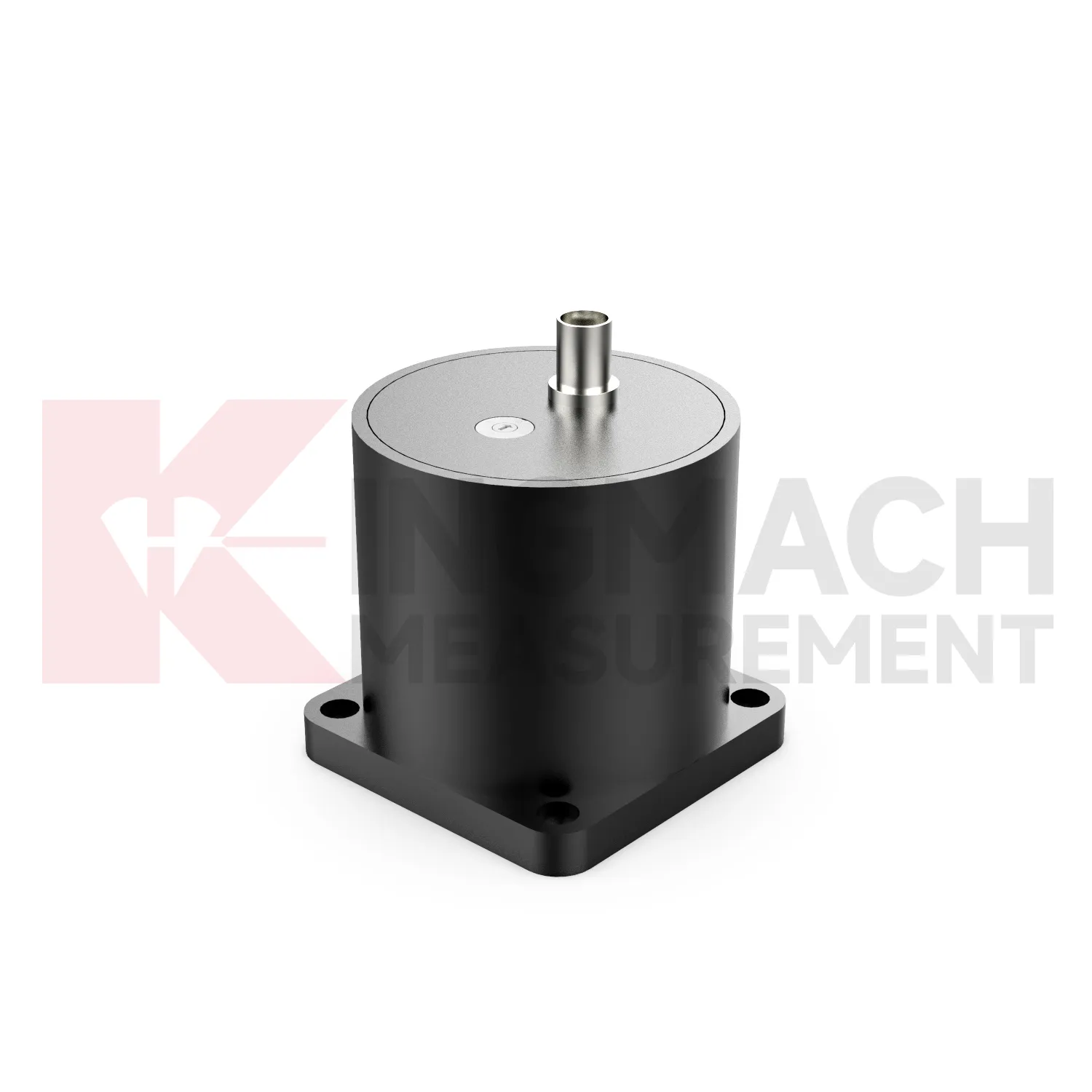
Application of Accelerometer
Tunnel and underground projects use Kingmach Accelerometer to record vibration from excavation, blasting, train operation, machinery, or nearby construction. The sensor position should match the risk area, such as lining, station structure, shaft wall, or adjacent facility. Dynamic data should be reviewed with displacement, convergence, settlement, groundwater, and inspection notes. In tunnel work, many locations look similar, so point names and photographs are important. A vibration curve becomes useful when reviewers can connect it to chainage, side, structure, event time, and construction stage. This is especially important after a blast, equipment pass, or train operation change. Without location and event context, a curve may be accurate but still difficult to interpret.
Long-term monitoring benefits from repeatable procedure. When the same point, direction, event definition, and analysis method are preserved, new vibration records can be compared with earlier records in a defensible way.
The report should not leave the waveform isolated. It should explain what the asset was doing, why the point was measured, which event triggered interest, and what follow-up action or observation was made.
Dynamic data can be sensitive to small field changes. A new bracket, nearby machine, temporary work platform, changed cable route, or software update can alter the record, so those changes belong in the maintenance history.
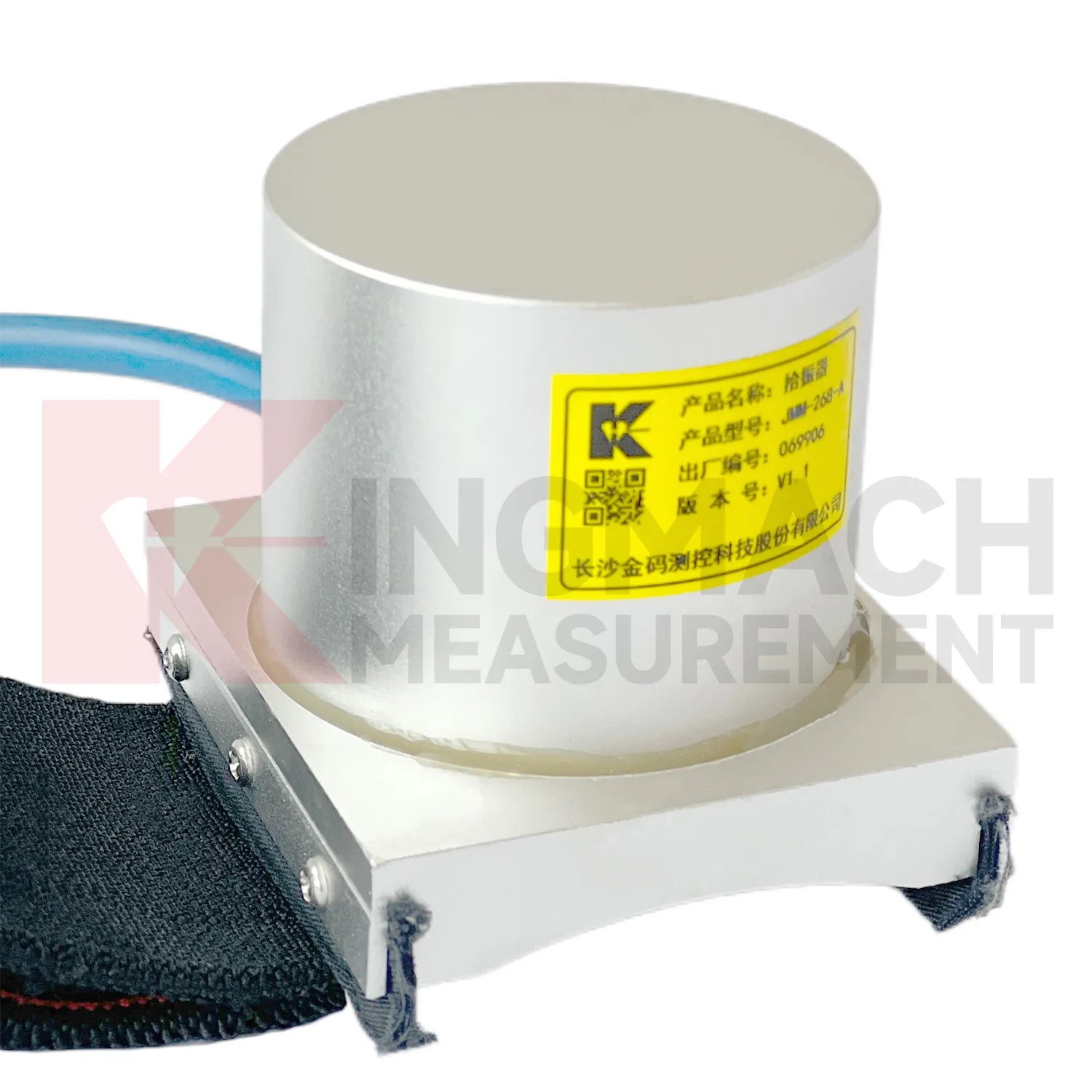
The future of Accelerometer
The future of Kingmach Accelerometer will make long-term asset records more useful. Dynamic response can change as a bridge ages, a cable is adjusted, a machine foundation settles, or a building is modified. When acceleration records are stored with event notes, maintenance history, and related sensor data, owners can compare present behavior with past behavior. That long view helps separate one-time events from gradual change. A mature monitoring record turns vibration measurement into part of asset management. It also helps teams decide whether to inspect, continue observing, adjust equipment, or compare a new event with an earlier one.
Future asset records should preserve examples of normal behavior, not only alarms. A bridge, tunnel, machine base, or building floor may have a familiar vibration pattern during routine operation. Keeping those examples helps reviewers judge whether a later event is genuinely new.
This long view also supports budgeting. If certain points show repeated events after maintenance, weather, or operating changes, owners can plan inspection and repair work around evidence rather than reacting to isolated traces.
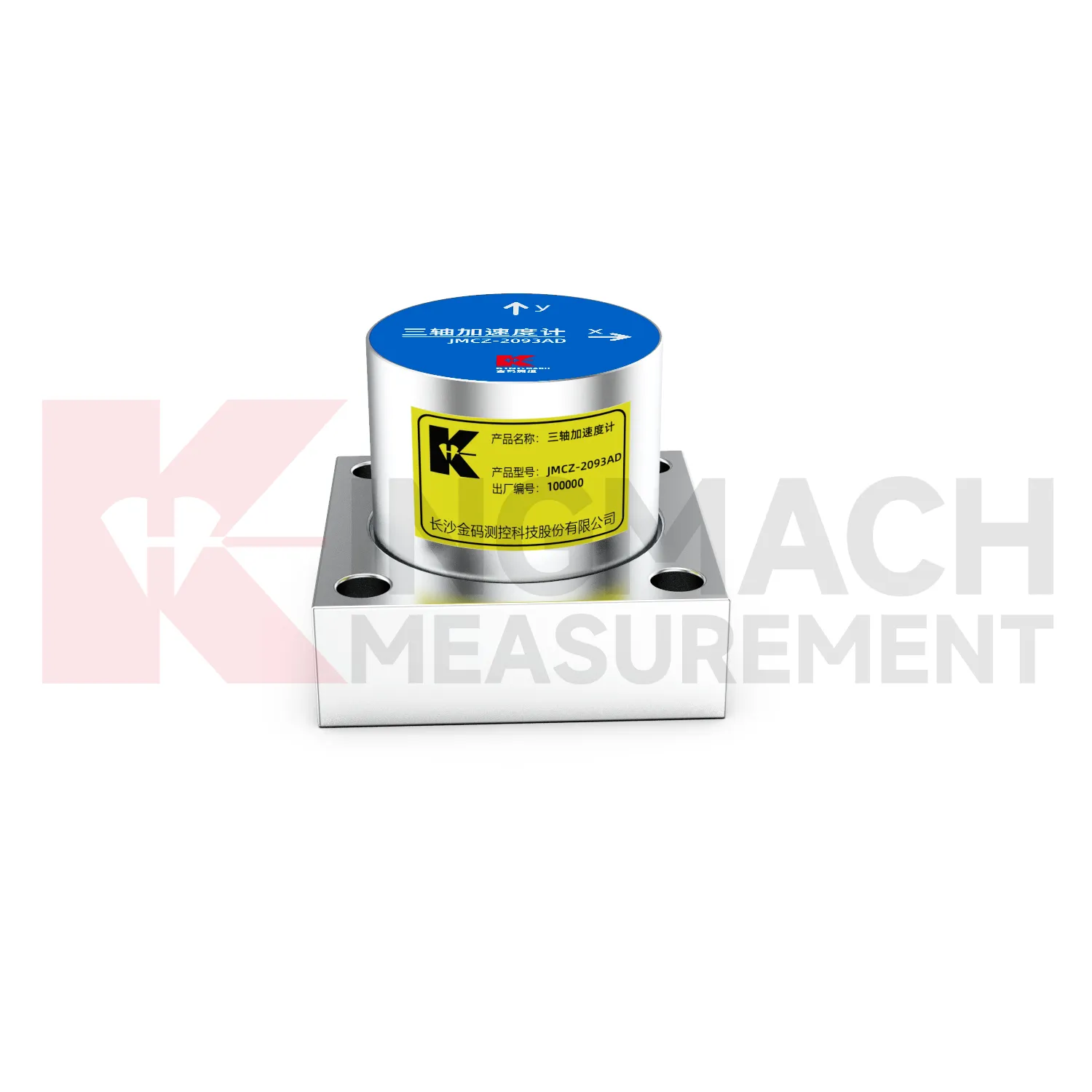
Care & Maintenance of Accelerometer
Environmental protection helps Kingmach Accelerometer remain stable in field use. Sensors and cables may face dust, moisture, temperature change, construction debris, vibration, and impact. Inspect seals, cable glands, cabinet entries, mounting bolts, and any protective cover. In tunnels or outdoor bridges, check for water and corrosion. In machinery rooms, check oil, dust, and accidental contact. Field protection should not block the motion being measured or create its own vibration. Maintenance notes should state what was inspected and whether the first record after inspection looked normal. This keeps field condition and data quality connected.
Protection work should be checked after site activities that can change the physical surroundings. Painting, cleaning, welding, formwork, cable tray work, or equipment relocation can disturb a point without looking like a sensor fault. The inspection note should describe the surrounding condition, not only the sensor body.
If a cover or enclosure is added, confirm that it does not touch the sensor or create a new vibration path. Good protection keeps water and impact away while leaving the measured structure free to move naturally.
Kingmach Accelerometer
Kingmach Accelerometer are useful because dynamic behavior often appears before visible damage. A bridge cable may change vibration frequency, a building floor may respond to nearby machinery, a tunnel structure may react to blasting, and a flexible structure may move slowly but with large amplitude. Static instruments can show position or strain, but acceleration records show motion. When time history, frequency, and event context are kept together, engineers can compare normal operation with abnormal response. The data becomes stronger when linked with displacement, tilt, load, strain, settlement, wind, temperature, and inspection notes. This wider view helps teams avoid treating every vibration as a fault while still noticing changes that deserve a field check.
If the reading changes suddenly, the first check should include the sensor attachment, cable route, connector, channel name, and recent field activity. This prevents a maintenance issue from being mistaken for structural behavior.
Long-term monitoring benefits from repeatable procedure. When the same point, direction, event definition, and analysis method are preserved, new vibration records can be compared with earlier records in a defensible way.
FAQ
Q: What is event-based vibration monitoring?
A: It records motion during traffic, wind, blasting, impact, machine operation, earthquake activity, or other defined events.
Q: What makes a useful event record?
A: A useful record includes time, sensor location, axis direction, event type, nearby site condition, and related sensor behavior.
Q: How are building vibration records interpreted?
A: They are checked against equipment operation, traffic, construction work, occupancy notes, and structural observations.
Q: How are bridge vibration records interpreted?
A: They may be compared with cable behavior, traffic, wind, strain, displacement, and inspection results.
Q: What causes misleading vibration readings?
A: Loose mounting, cable noise, wrong channel names, poor grounding, local equipment, or missing event notes can mislead reviewers.
Long-term monitoring benefits from repeatable procedure. When the same point, direction, event definition, and analysis method are preserved, new vibration records can be compared with earlier records in a defensible way.
The report should not leave the waveform isolated. It should explain what the asset was doing, why the point was measured, which event triggered interest, and what follow-up action or observation was made.
Reviews
Joshua Clark
We ordered a full monitoring solution including sensors and data loggers. Everything works seamlessly together. Great supplier!
David Wilson
We purchased displacement transducers and settlement sensors, and the quality exceeded our expectations. Easy installation and reliable performance.
Latest Inquiries
To protect the privacy of our buyers, only public service email domains like Gmail, Yahoo, and MSN will be displayed. Additionally, only a limited portion of the inquiry content will be shown.
Amelia***@gmail.comSingapore
Hello, I am looking for visualization software for monitoring system data analysis. Please let me kn...
Mia***@gmail.comNetherlands
Dear team, we are interested in your readouts & data loggers compatible with multiple sensors. Do yo...