
 EN
 ar
 bg
 hr
 cs
 da
 nl
 fi
 fr
 de
 el
 hi
 it
 ko
 no
 pl
 pt
 ro
 ru
 es
 sv
 tl
 iw
 id
 lv
 lt
 sr
 sk
 sl
 uk
 vi
 et
 hu
 th
 tr
 fa
 ms
 hy
 ka
 ur
 bn
 mn
 ta
 kk
 uz
 ku

Singlelayer Shielded Test Cable
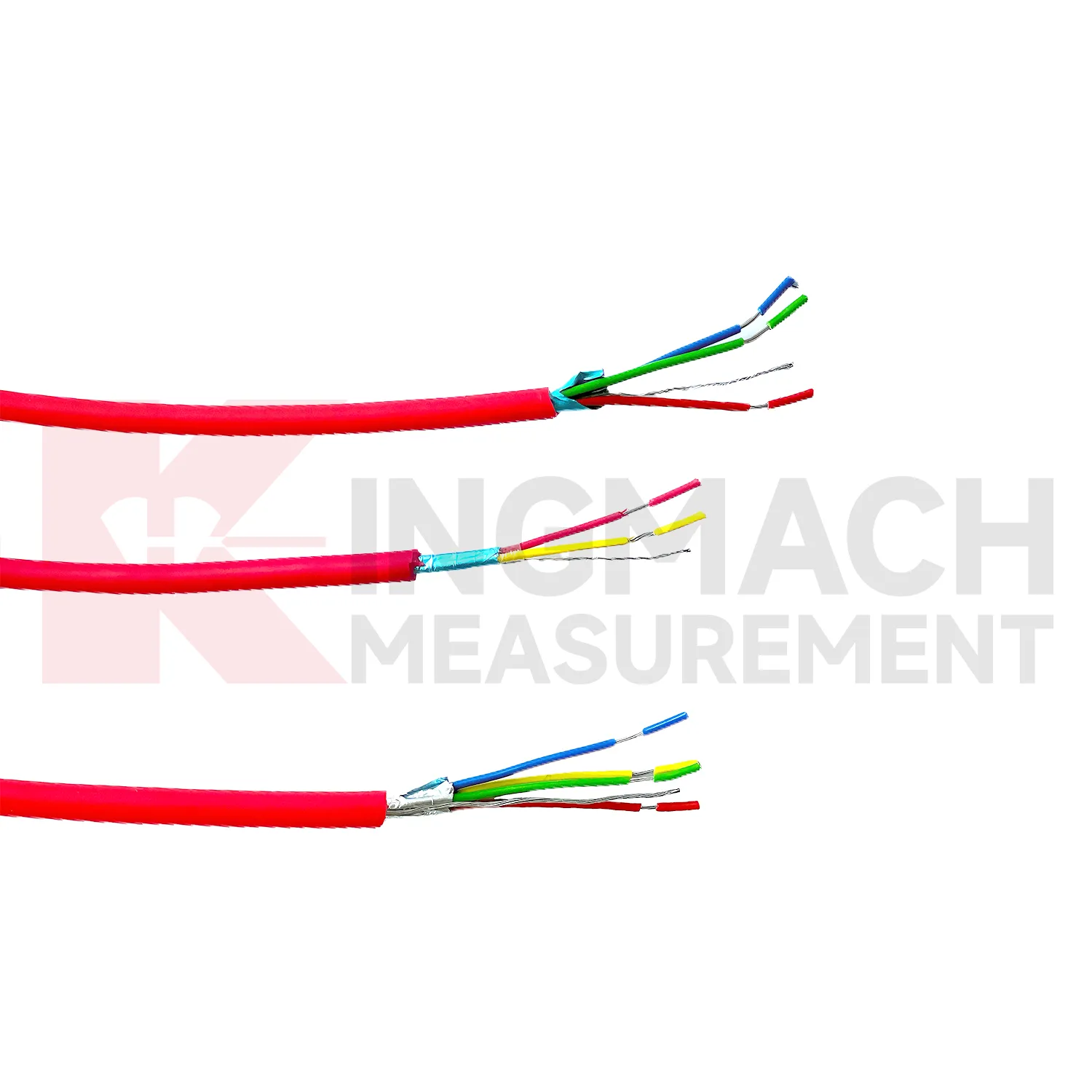
These Kingmach Singlelayer Shielded Test Cable are designed for compatibility with measurement equipment across structural monitoring sites. They support stable equipment connection for sensors, data recorders, cabinets, and maintenance upgrades. The product category is described as anti-interference, waterproof, moisture-proof, and wear-resistant, which matches common field demands in bridges, tunnels, slopes, buildings, dams, subgrades, foundation pits, and hydraulic structures. Rather than treating cable as a simple spare part, the category supports installation reliability, signal clarity, and longer equipment service life across monitoring networks.
Application of Singlelayer Shielded Test Cable
Bridge monitoring uses Kingmach Singlelayer Shielded Test Cable to connect sensors across decks, pylons, bearings, anchor zones, cable areas, and cabinets. These routes often pass through zones with traffic vibration, weather exposure, maintenance work, and long cable runs. Shielded test wiring helps preserve strain, load, displacement, or vibration signals near electrical noise sources. Hydraulic cable can be used where water, drainage, or damp box-girder conditions affect routing. Clear cable labeling and sealed terminations help bridge owners trace readings during inspections after storms, impacts, or heavy traffic events.
The future of Singlelayer Shielded Test Cable
Standardized project records will shape the future use of Kingmach Singlelayer Shielded Test Cable. Owners and engineering firms will expect handover files to include cable type, core count, route drawing, cabinet entry, connector status, and commissioning data. This level of detail makes later audits easier and supports cross-site comparison. When every monitoring point has a traceable cable history, the team can respond faster to alarms, replacement work, and system expansion without losing confidence in old data.
Care & Maintenance of Singlelayer Shielded Test Cable
For shielded JMZX-XPX cable, keep the shielding path consistent with the electrical design of the monitoring system. Poor shield termination can reduce anti-interference performance or create unwanted noise paths. During maintenance, record any connector replacement, grounding adjustment, cabinet rewiring, or route relocation. If a channel becomes noisy near motors, pumps, welding, or power equipment, review both the physical route and shielding continuity. A clean shield practice helps the cable do the work it was selected to do.
Kingmach Singlelayer Shielded Test Cable
Kingmach Singlelayer Shielded Test Cable support the part of a monitoring system that is easy to overlook until a signal becomes unstable. A sensor may be accurate, and a data logger may be working, yet a weak cable route can still introduce noise, moisture risk, or intermittent connection. Instrumentation cable planning therefore belongs near the start of bridge, tunnel, slope, building, dam, foundation pit, and railway monitoring work. The cable has to carry small sensor signals through dust, water, vibration, cabinet bends, and repeated site activity without turning field conditions into false readings. Kingmach supplies test dedicated shielded wire JMZX-XPX and hydraulic cable JMZX-XSX for these duties, giving engineers a practical path for stable connection between sensor points and acquisition equipment.
FAQ
Q: What are Kingmach Singlelayer Shielded Test Cable used for?
A: They connect monitoring sensors, acquisition equipment, cabinets, and data recorders while helping protect signal transmission in demanding field environments.
Q: Which cable models are listed in this category?
A: The local product pages list test dedicated shielded wire JMZX-XPX and hydraulic cable JMZX-XSX.
Q: What is JMZX-XPX designed for?
A: It is a shielded test wire with composite shielding for low-loss sensor signal transmission and resistance to EMI and RFI.
Q: What is JMZX-XSX designed for?
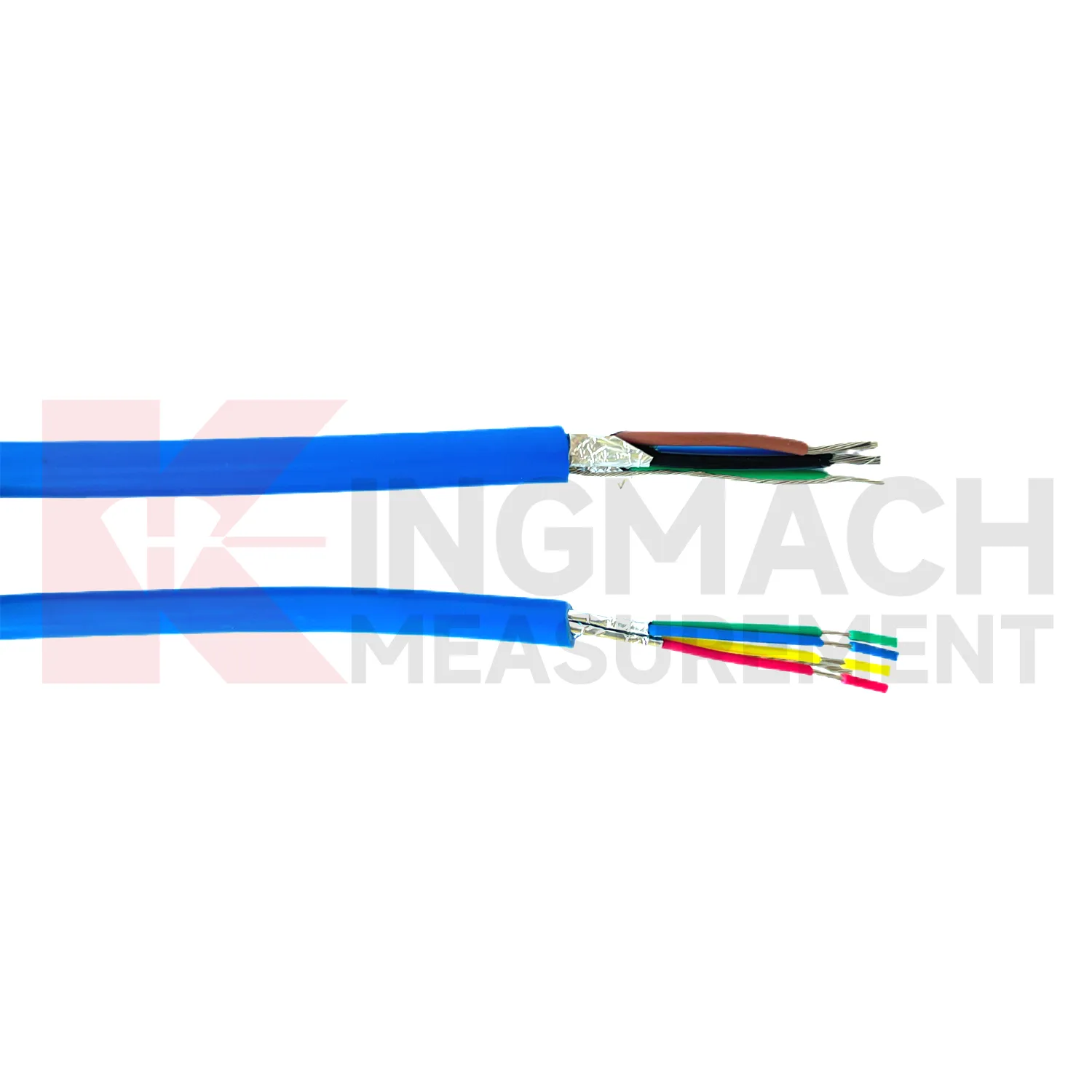
A: It is a hydraulic engineering cable with multi-layer sealing and water-resistant insulation for humid, underwater, or wet routes.
Q: Where are these cables commonly applied?
A: They are used in bridges, tunnels, slopes, buildings, dams, foundation pits, railways, hydraulic works, and mixed monitoring systems.
Reviews
Michael Anderson
The strain gauges and load cells are extremely accurate and stable. They performed very well in our bridge monitoring project. Highly recommended!
Daniel Brown
Excellent environmental monitoring sensors. The data is consistent, and the system integrates smoothly with our existing setup.
Latest Inquiries
To protect the privacy of our buyers, only public service email domains like Gmail, Yahoo, and MSN will be displayed. Additionally, only a limited portion of the inquiry content will be shown.
Evelyn***@gmail.comSouth Africa
Hi, we are a contractor working on tunnel construction and need settlement sensors and displacement ...
Isabella***@gmail.comGermany
Hello, we are evaluating weir flow meters for a water management project. Please share accuracy deta...
Related product categories
- Hydraulic cable
- Instrumentation Cables
- Sensor Cables
- Twisted Pair Shielded Test Cable
- Doublelayer Shielded Test Cable
- Triplelayer Shielded Test Cable
- Singlelayer Shielded Test Cable
- Multicore Shielded Test Cable
- 2core / 4core / 6core / 8core Hydrological Cable
- Corrosionresistant Hydrological Cable
- Shielded Hydrological Cable
- Multicore Hydrological Cable