
 EN
 ar
 bg
 hr
 cs
 da
 nl
 fi
 fr
 de
 el
 hi
 it
 ko
 no
 pl
 pt
 ro
 ru
 es
 sv
 tl
 iw
 id
 lv
 lt
 sr
 sk
 sl
 uk
 vi
 et
 hu
 th
 tr
 fa
 ms
 hy
 ka
 ur
 bn
 mn
 ta
 kk
 uz
 ku

Vibration Sensor
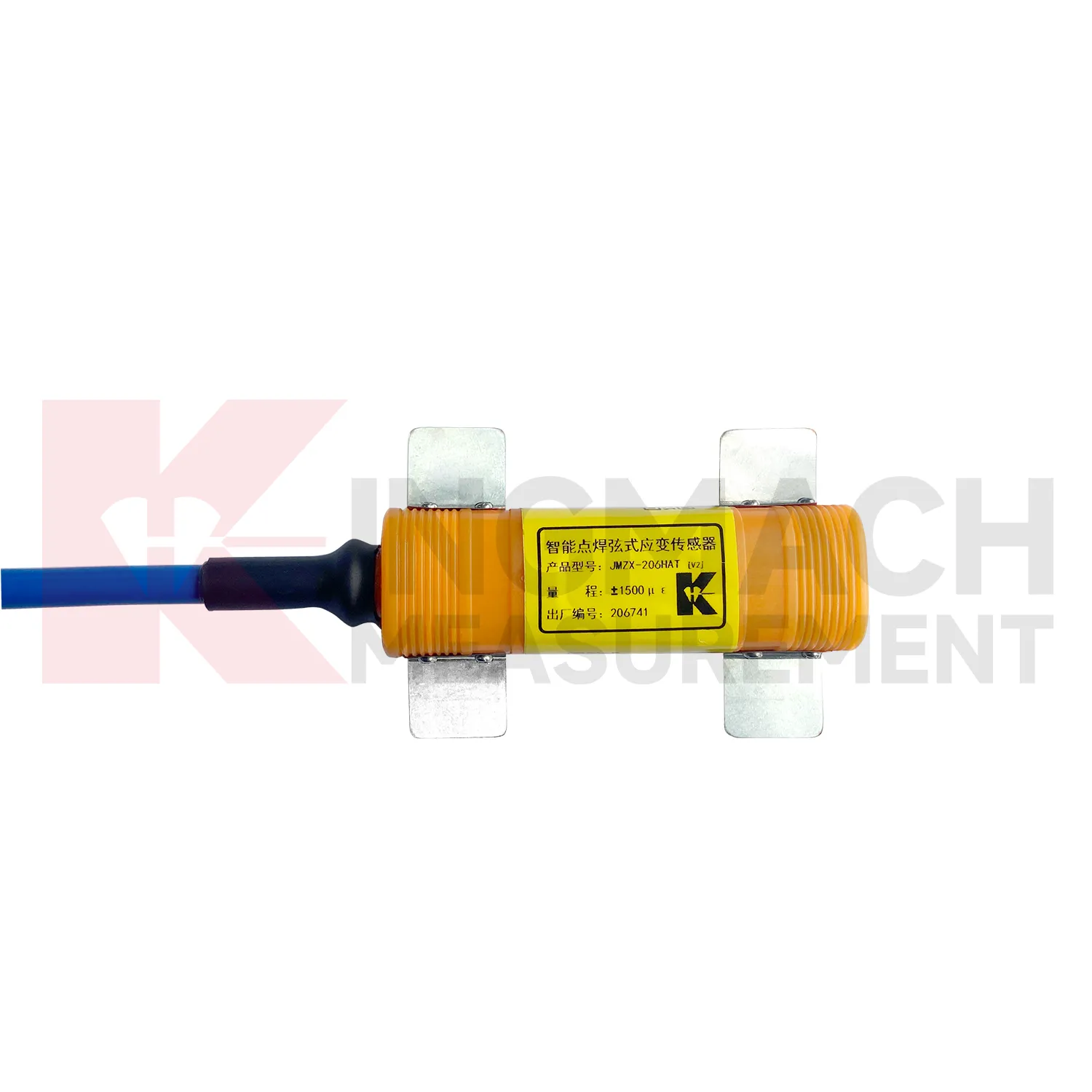
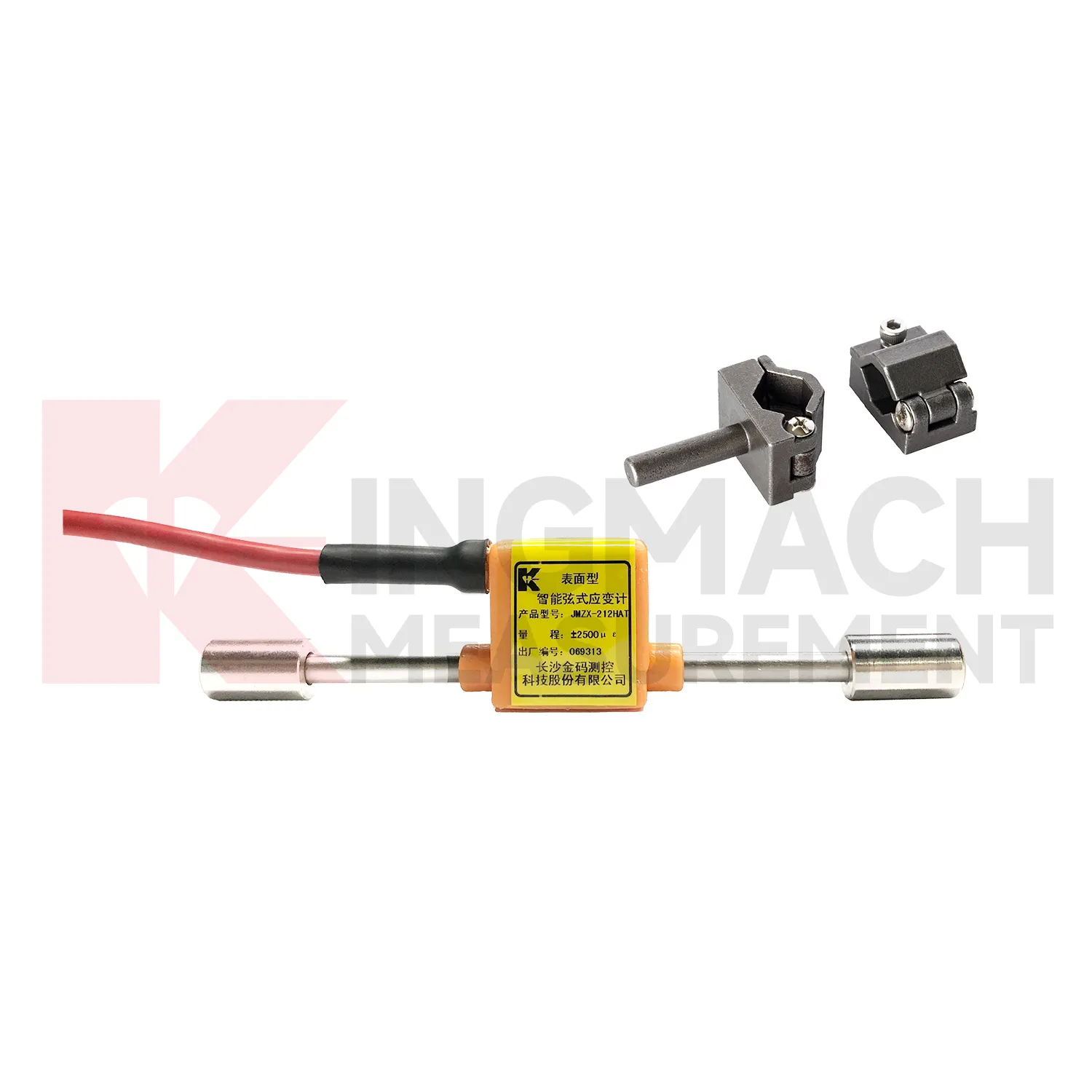
Kingmach {keyword} is not a single stand alone item; it is part of a measurement chain. Surface gauges, embedded gauges, welded gauges, and rebar strainmeters can be paired with comprehensive readout units, automated acquisition modules, wireless loggers, instrumentation cables, and cloud monitoring platforms. That matters on infrastructure projects where one weak link can distort the whole strain record. The surface model offers ±2500 microstrain range and 0.1 microstrain resolution, while the embedded model offers ±1500 microstrain range for internal concrete measurement. The welded model stores up to 800 records and supports digital transmission. These features help engineers choose a model based on structure type, installation access, exposure condition, and required data path. Kingmach's role as a structural health monitoring manufacturer gives buyers one source for sensors, acquisition, and long term field support. The product family also supports different buyer intents. Some searches focus on a strain gauge sensor, others on a force related strain gauge load cell, a data logger, or a manufacturer. The same Kingmach range connects those needs through measured strain data. A clear specification record reduces confusion when the same project uses surface, embedded, welded, and rebar based instruments together. That is why model data, calibration values, and channel labels should travel with the product from procurement to commissioning.
Application of Vibration Sensor
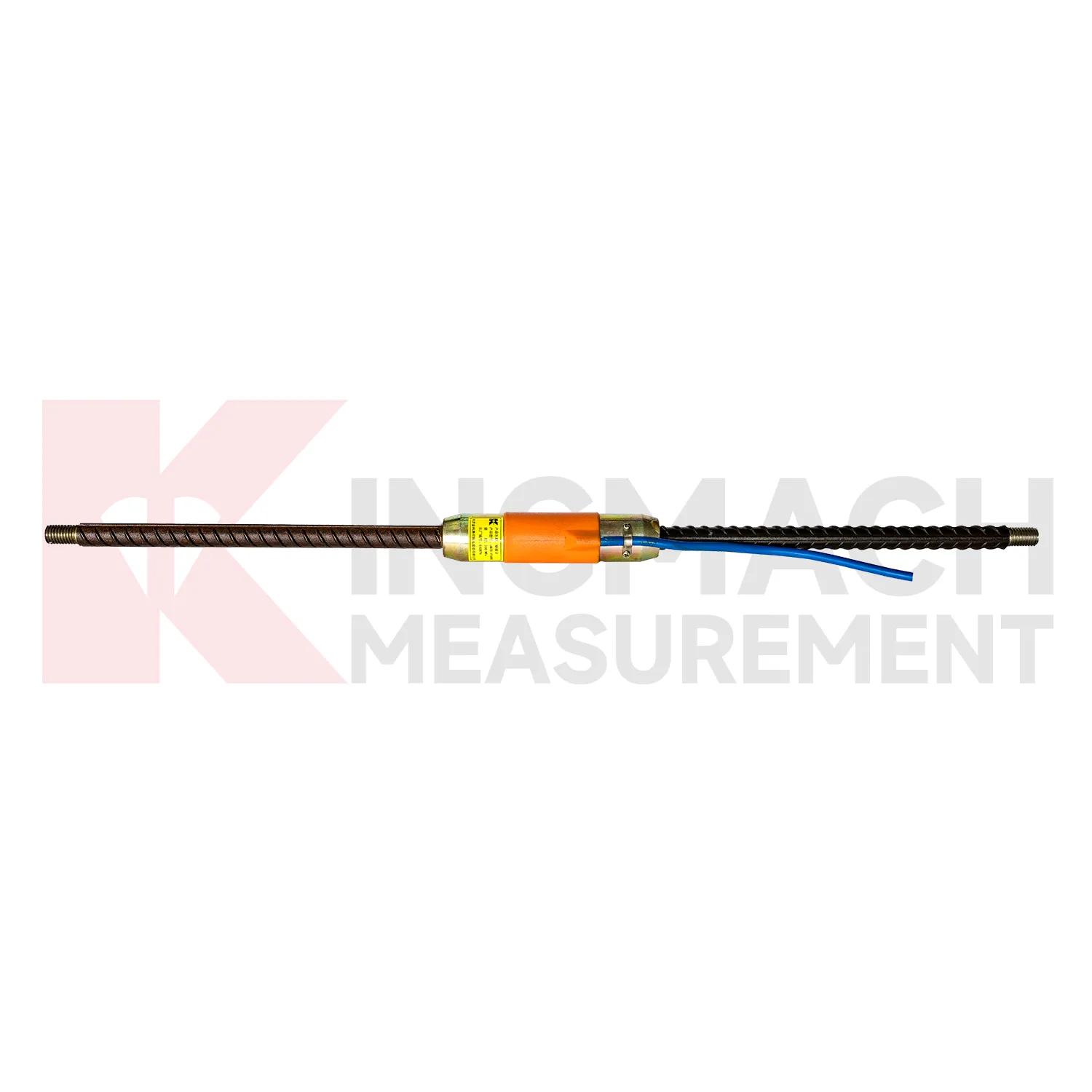
For slope, retaining wall, and foundation pit monitoring, {keyword} can be used on anchor rods, steel braces, retaining piles, reinforcement cages, or concrete support structures. These projects need early warning on stress redistribution, crack extension, support overload, and ground movement effects. Kingmach JMZX-4XXHAT/HB rebar strainmeters measure reinforcement stress across -200 MPa to 350 MPa with 0.1 MPa sensitivity and 0.5%F.S. accuracy, while the waterproof structure reaches 2 MPa. That makes the product suitable for buried or wet reinforced concrete members where ordinary surface checks are not enough. In deep excavation, strain data can be reviewed with displacement meters, tiltmeters, settlement sensors, and water level data. The combined record helps engineers decide whether support members are carrying load safely during each construction stage. Kingmach systems can pair the strain point with automated acquisition, which reduces manual reading work in locations that are dangerous, remote, or disruptive to access. That is often the difference between occasional checks and a useful monitoring record. When data is collected automatically, engineers can compare daily movement instead of relying on occasional manual readings. This gives the project team a better way to separate normal behavior from a change that needs inspection.
The future of Vibration Sensor
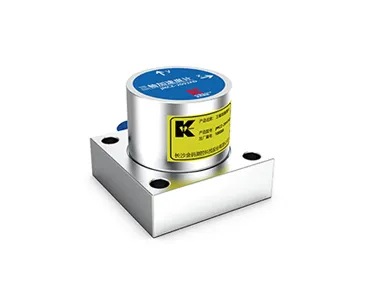
Future use of {keyword} in bridges and rail systems will put more attention on fatigue, dynamic loading, and real time maintenance planning. Heavy traffic and repeated train loads create strain cycles that are easy to miss during occasional inspection. Kingmach's strain gauges can already connect with automated acquisition and monitoring platforms, while dynamic strain data loggers and vibration sensors can add context. Over time, AI based trend review may compare strain cycles with traffic periods, temperature, vibration, and displacement to flag unusual behavior. The useful path is specific: more frequent sampling where needed, better channel grouping, and alerts that refer to actual structural zones rather than anonymous numbers. The strongest future systems will still begin with correct model selection. Software can help review data, but it cannot repair a sensor installed in the wrong stress zone. Those improvements fit long term infrastructure monitoring better than one time testing. That path keeps the technology tied to field decisions, not abstract promises.
Care & Maintenance of Vibration Sensor
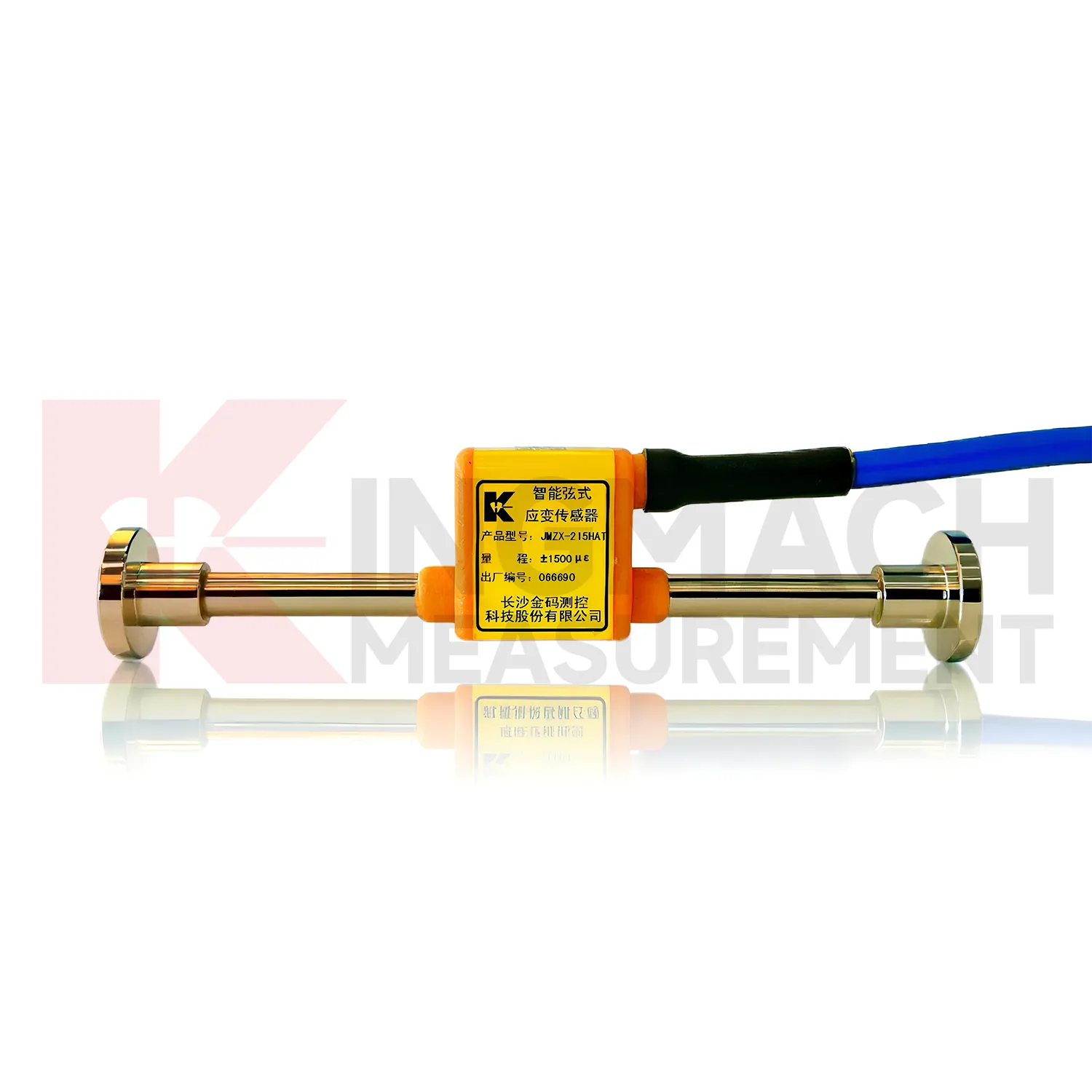
For embedded {keyword}, maintenance focuses on the accessible parts because the sensor itself cannot be reached after concrete pouring. Before pouring, secure the JMZX-215HA/215HAT/HB gauge to rebar or a bracket, protect the cable from pulling, and document its position. After pouring, protect the cable exit, junction box, and acquisition channel. The embedded model has a ±1500 microstrain range, 146 mm gauge length, and 0.1 microstrain resolution, so small changes can be meaningful if the record is clean. During service, check for channel noise, water entry, cable compression, and label loss. If data looks abnormal, inspect the external route first, then compare strain with temperature, settlement, and nearby embedded channels. The goal is to protect the measurement chain from sensor body to platform, because a damaged cable or mislabeled channel can make an accurate gauge look unreliable. Review the channel after major site work. Replace damaged protection before water reaches the connection.
Kingmach Vibration Sensor
{keyword} is used when a structure needs measured strain data instead of a visual guess. On steel, concrete, reinforcement, or a calibrated force element, it follows tiny deformation and turns that movement into a reading that engineers can compare over time. Kingmach applies this measurement approach in bridges, tunnels, dams, railways, buildings, slopes, and wind towers, where strain changes often appear before visible damage. The product family can cover surface mounted sensors, embedded vibrating wire gauges, weldable steel structure models, and rebar strainmeters. In day to day monitoring, the value is practical: engineers can see whether load transfer is normal, whether stress is concentrating near a joint, and whether long term service is changing the baseline. For project teams, the data path is as important as the sensor point: location records, cable protection, and baseline readings help later inspections stay tied to actual site behavior.
FAQ
Q: Where is {keyword} used in bridge monitoring?
A: It can be installed on girders, decks, steel beams, reinforcement, piers, and other stress sensitive locations to track traffic load and fatigue behavior.
Q: How does it help tunnel monitoring?
A: Embedded or welded gauges can read lining strain, support force, reinforcement stress, and ground pressure effects during construction and service.
Q: Can it be used in dams?
A: Yes. Embedded and surface models are used for concrete strain, stress state review, temperature related movement, and long term dam safety monitoring.
Q: Is it useful for foundation pits?
A: Yes. Rebar strainmeters and welded gauges can monitor support stress, anchor force changes, brace behavior, and retaining structure response.
Q: What other sensors are often used with it?
A: Displacement meters, settlement sensors, tiltmeters, piezometers, water level meters, accelerometers, and temperature sensors are often used together.
Reviews
Robert Taylor
The weir flow meter is well-built and delivers accurate measurements. Great value for water management applications.
Daniel Brown
Excellent environmental monitoring sensors. The data is consistent, and the system integrates smoothly with our existing setup.
Latest Inquiries
To protect the privacy of our buyers, only public service email domains like Gmail, Yahoo, and MSN will be displayed. Additionally, only a limited portion of the inquiry content will be shown.
Charlotte***@gmail.comUnited Arab Emirates
Hi, we require instrumentation cables suitable for harsh environments. Could you advise on specifica...
Sophia***@gmail.comUnited Kingdom
Good day, we need environmental monitoring sensors including temperature, humidity, and wind sensors...