
 EN
 ar
 bg
 hr
 cs
 da
 nl
 fi
 fr
 de
 el
 hi
 it
 ko
 no
 pl
 pt
 ro
 ru
 es
 sv
 tl
 iw
 id
 lv
 lt
 sr
 sk
 sl
 uk
 vi
 et
 hu
 th
 tr
 fa
 ms
 hy
 ka
 ur
 bn
 mn
 ta
 kk
 uz
 ku

ground vibration sensor
Kingmach vibration sensing for cable and building work focuses on turning weak motion into usable frequency information. In bridge cable force measurement, vibration response can be processed through a dynamic testing system to obtain fundamental frequency and related cable force values when the method is properly configured. In building vibration measurement, the same discipline helps engineers compare normal operation with unusual movement from equipment, traffic, impact, or nearby construction. The sensor, signal path, acquisition unit, and software review should be treated as one measurement path. If any part of that path is poorly documented, the final vibration result becomes harder to defend. A useful project record should keep cable identity, floor location, sensor mounting, event condition, and analysis result together. That makes repeat measurements comparable rather than isolated.
For owner handover, the file should include point photos, axis labels, acquisition settings, related structural channels, and examples of normal behavior. That helps future reviewers understand whether a later event is unusual.
Weak-vibration review should include nearby walking, wind, traffic, equipment start-up, and construction activity because these sources can influence the trace. People walking nearby, wind, traffic, equipment start-up, and construction work can all influence the trace, so the field note should capture what was happening around the point.
For high-risk assets, inspection timing should follow events as well as calendar dates. After impact, blasting, severe weather, unusual vibration, or equipment maintenance, the sensor and the data path both deserve a quick check.
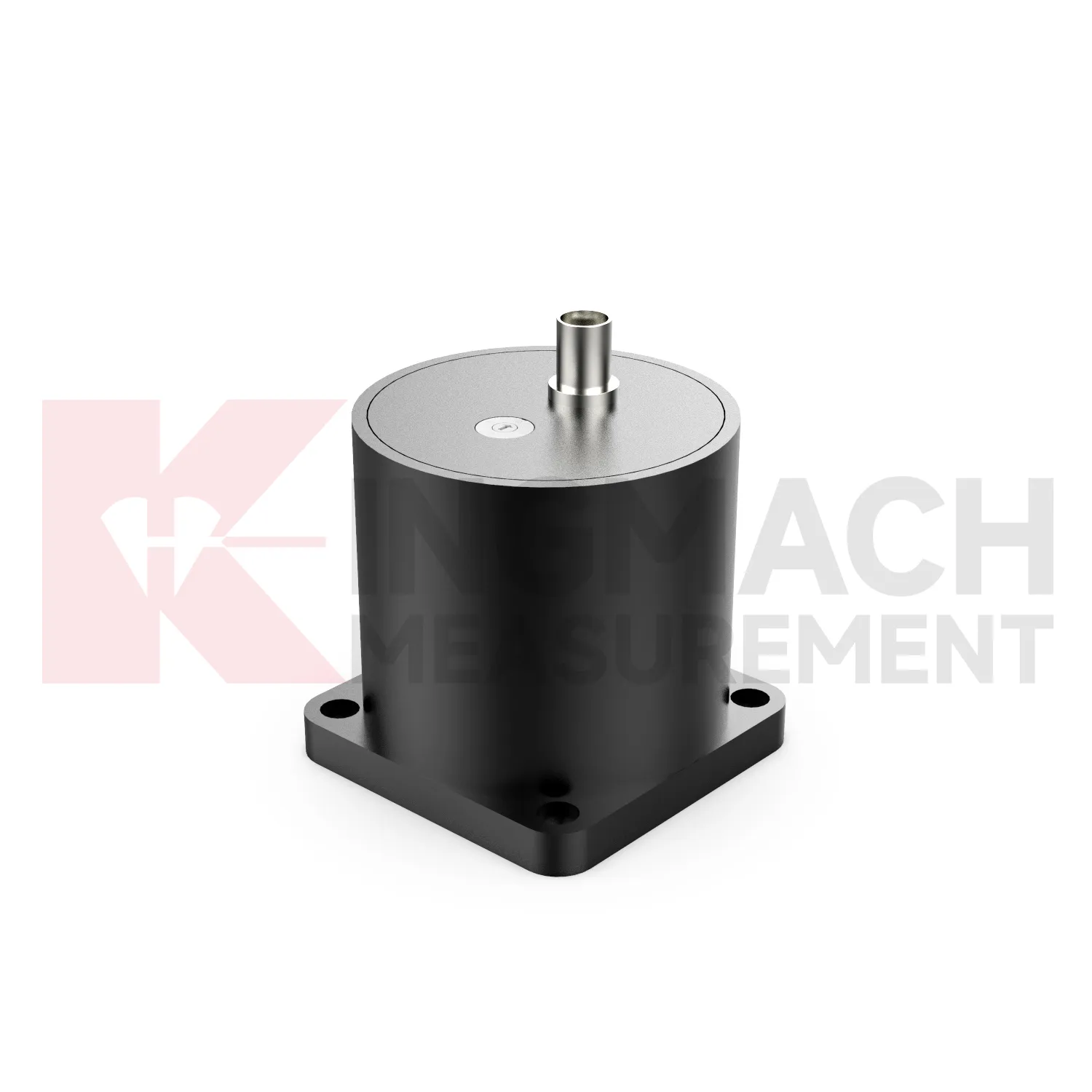
Application of ground vibration sensor
Machinery and industrial structures use Kingmach ground vibration sensor to record motion from rotating equipment, impact work, production lines, foundations, and support frames. The goal may be comfort, safety, fatigue review, machine condition, or structural response. A sensor should be mounted on a surface that carries the actual vibration, not on a loose cover or secondary panel. The record should note machine state, speed setting, operating cycle, and any maintenance event. Acceleration data is most useful when the engineer can compare normal operation with a changed vibration pattern. If the record is reviewed with noise, temperature, load, and maintenance notes, it can help identify whether a change came from the machine, its foundation, or the surrounding structure.
Industrial monitoring also needs a clear operating baseline. A production line during start-up, steady operation, shutdown, or maintenance may produce different motion. The report should say which condition was measured so a later change is not confused with a normal operating phase.
For machinery foundations, the sensor position should avoid covers, handrails, and panels that vibrate differently from the base. If maintenance changes the machine alignment, support, or operating speed, that note belongs beside the next vibration record.
Repeated measurements should use comparable operating conditions whenever possible. If the plant changes process speed, adds equipment, repairs a foundation, or changes nearby supports, the vibration trend should be reviewed with that history before any judgment is made.

The future of ground vibration sensor
The future of Kingmach ground vibration sensor will place more weight on clean installation records. Dynamic data is sensitive to mounting, axis direction, and local noise. Future handover files should include point photographs, surface condition, bracket notes, axis labels, cable route, acquisition settings, and first test record. These details will help owners understand why a sensor was placed at a certain location and how later data should be interpreted. A good installation record keeps the waveform useful long after the original crew has left. It also reduces confusion when maintenance teams replace hardware or compare new events with older data.
Dynamic data can be sensitive to small field changes. A new bracket, nearby machine, temporary work platform, changed cable route, or software update can alter the record, so those changes belong in the maintenance history.
For owner handover, the file should include point photos, axis labels, acquisition settings, related structural channels, and examples of normal behavior. That helps future reviewers understand whether a later event is unusual.
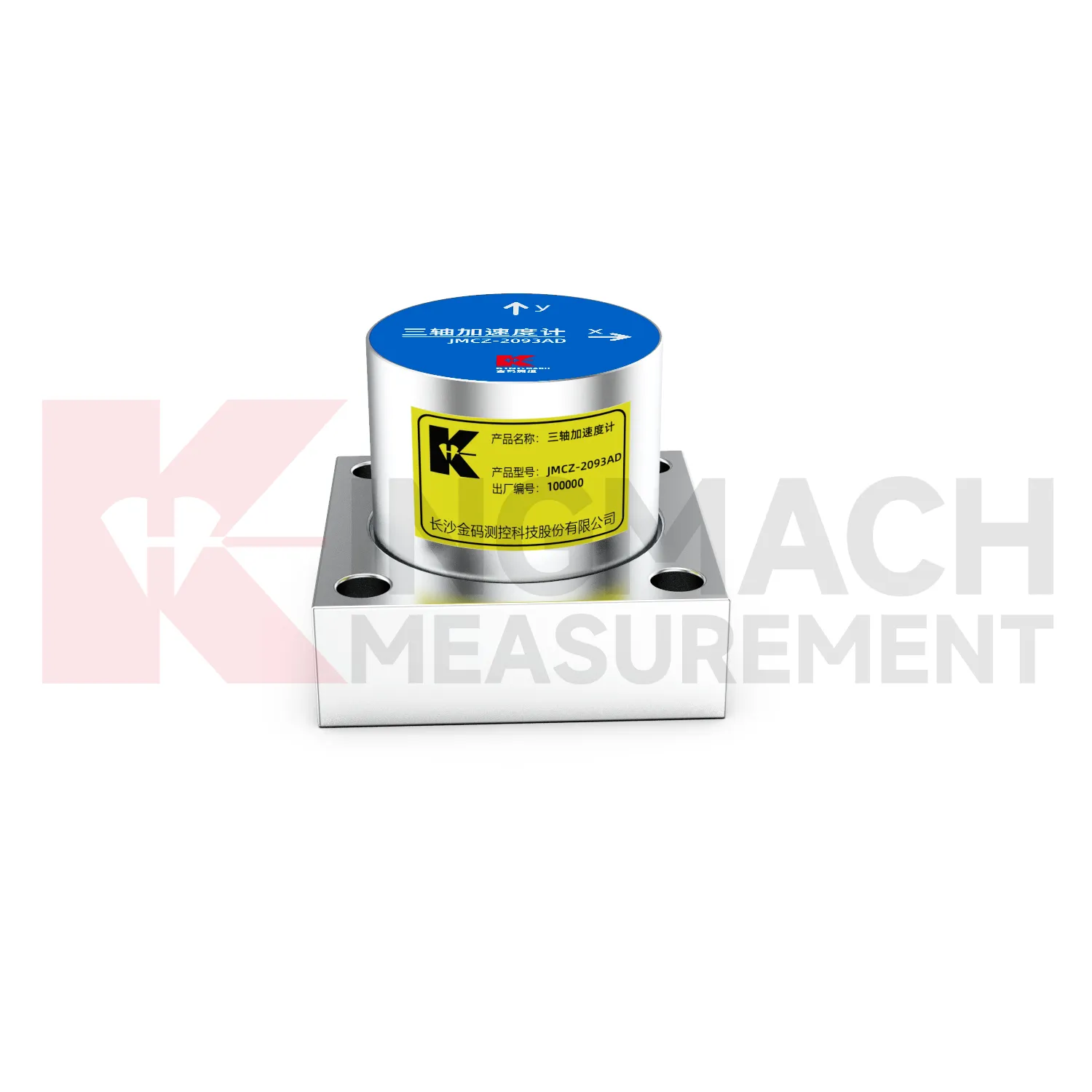
Care & Maintenance of ground vibration sensor
Routine inspection of Kingmach ground vibration sensor should be tied to the risk level of the asset. A bridge cable, seismic station, active construction area, or machinery foundation may need more frequent checks than a quiet background point. Inspection should cover mounting, axis label, cable, connector, cabinet, data status, and recent events. After storms, impacts, blasting, equipment maintenance, or structural work, perform an extra check. The goal is simple: keep the dynamic record trustworthy when the next important event arrives. A schedule that reflects asset risk is better than a fixed checklist that ignores field conditions.
The inspection plan should also define who reviews the data after the physical check. A field crew may confirm that the sensor is attached, but an engineer may still need to compare recent traces with earlier behavior. Both views belong in the maintenance loop.
For high-risk points, inspection records should be easy to audit. Date, technician, point condition, event history, and follow-up action should be written plainly so future reviewers can understand why the next reading was trusted.
Kingmach ground vibration sensor
Kingmach ground vibration sensor help engineering teams understand vibration risk rather than simply collect motion traces. In bridge, tunnel, building, railway, machinery, and ground-motion work, acceleration data shows how a structure moves when traffic, wind, machinery, blasting, earthquake activity, or cable vibration occurs. The useful result is not just a waveform; it is a record that shows frequency, response level, timing, and whether movement is repeating or changing. Dynamic monitoring is especially useful when movement is too quick for visual inspection or too subtle to judge by touch. When acceleration records are reviewed with inspection notes, environmental conditions, and related structural instruments, engineers can separate normal operating response from behavior that requires attention. This makes vibration measurement part of a practical safety and maintenance process.
For field teams, the record is strongest when the waveform is tied to a named event and a known physical point. The note should state what was operating, what changed on site, whether other instruments reacted, and whether the motion repeated under similar conditions.
FAQ
Q: What is event-based vibration monitoring?
A: It records motion during traffic, wind, blasting, impact, machine operation, earthquake activity, or other defined events.
Q: What makes a useful event record?
A: A useful record includes time, sensor location, axis direction, event type, nearby site condition, and related sensor behavior.
Q: How are building vibration records interpreted?
A: They are checked against equipment operation, traffic, construction work, occupancy notes, and structural observations.
Q: How are bridge vibration records interpreted?
A: They may be compared with cable behavior, traffic, wind, strain, displacement, and inspection results.
Q: What causes misleading vibration readings?
A: Loose mounting, cable noise, wrong channel names, poor grounding, local equipment, or missing event notes can mislead reviewers.
Long-term monitoring benefits from repeatable procedure. When the same point, direction, event definition, and analysis method are preserved, new vibration records can be compared with earlier records in a defensible way.
The report should not leave the waveform isolated. It should explain what the asset was doing, why the point was measured, which event triggered interest, and what follow-up action or observation was made.
Reviews
David Wilson
We purchased displacement transducers and settlement sensors, and the quality exceeded our expectations. Easy installation and reliable performance.
Christopher Martinez
Very satisfied with the readouts & data loggers. User-friendly interface and supports multiple sensor inputs.
Latest Inquiries
To protect the privacy of our buyers, only public service email domains like Gmail, Yahoo, and MSN will be displayed. Additionally, only a limited portion of the inquiry content will be shown.
Isabella***@gmail.comGermany
Hello, we are evaluating weir flow meters for a water management project. Please share accuracy deta...
Emma***@gmail.comCanada
Dear Sir/Madam, we are interested in displacement transducers and settlement sensors for a geotechni...