
 EN
EN
 ar
ar bg
bg hr
hr cs
cs da
da nl
nl fi
fi fr
fr de
de el
el hi
hi it
it ko
ko no
no pl
pl pt
pt ro
ro ru
ru es
es sv
sv tl
tl iw
iw id
id lv
lv lt
lt sr
sr sk
sk sl
sl uk
uk vi
vi et
et hu
hu th
th tr
tr fa
fa ms
ms hy
hy ka
ka ur
ur bn
bn mn
mn ta
ta kk
kk uz
uz ku
ku
strain gauge and load cell
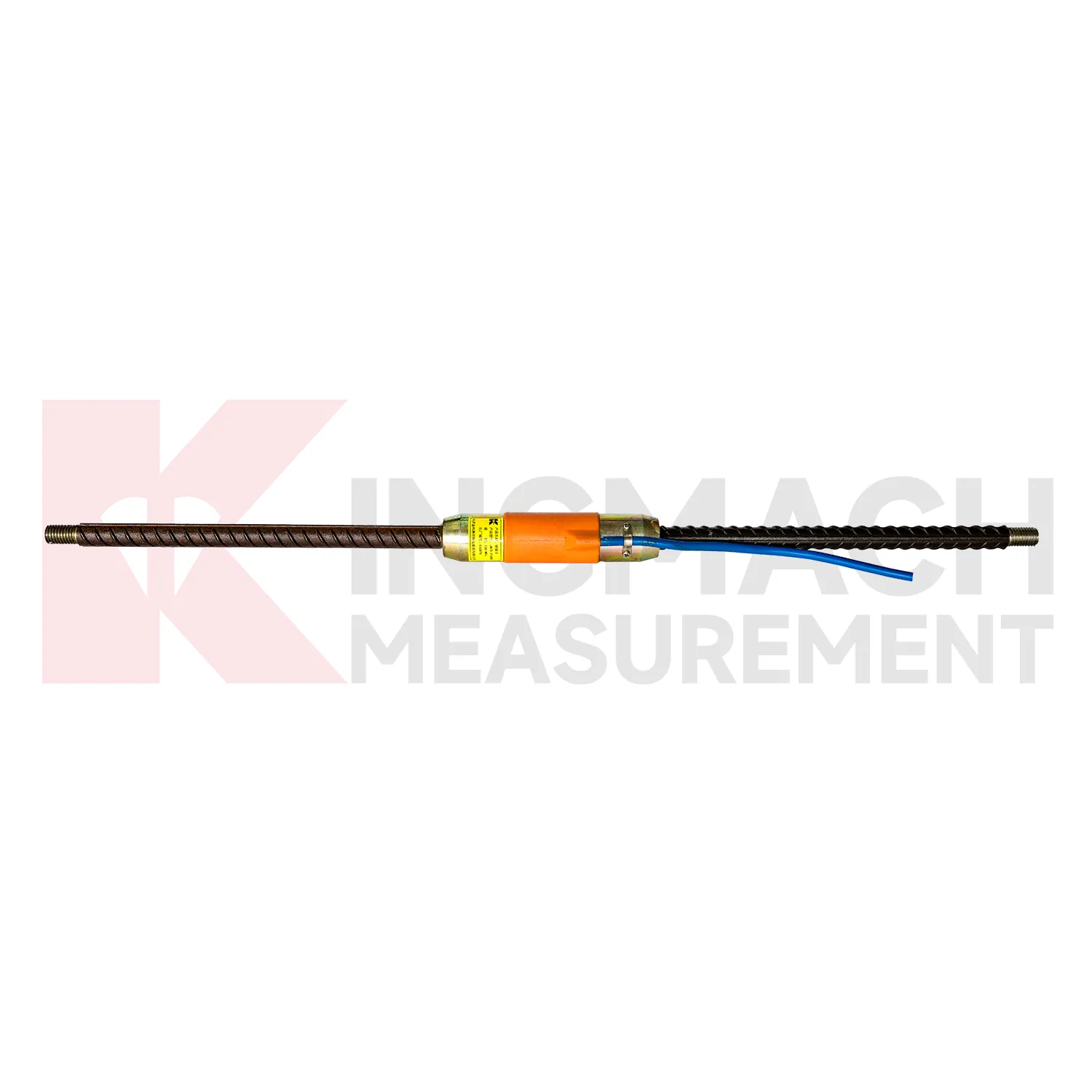
Kingmach {keyword} also includes rebar strainmeters for reinforced concrete stress monitoring. The JMZX-4XXHAT/HB model measures the stress of reinforcing steel bars and allows engineers to estimate the internal stress state of concrete structures. It is used in dams, bridges, precast and cast in place pile foundations, cut off walls, large buildings, and anchor bolts. The sensing section is designed with strength matching the corresponding measured steel bar, so replacing the original bar with the tested bar does not change the strength of the monitored structure. Technical data includes a -200 MPa to 350 MPa range, 0.5%F.S. accuracy, 0.1 MPa sensitivity, and 2 MPa waterproof performance. The product uses vibrating wire collection with high tensile steel wire and anchor welding, giving stable performance for embedded, long term structural monitoring. These specifications are especially useful when the monitored member will not be easy to access later. Once concrete is poured or steel work is closed, the project depends on the original model selection, cable protection, calibration data, and acquisition record. They also help the owner decide whether manual reading, scheduled logging, or unattended monitoring is the better operating method. A clear specification record reduces confusion when the same project uses surface, embedded, welded, and rebar based instruments together.
Application of strain gauge and load cell
For slope, retaining wall, and foundation pit monitoring, {keyword} can be used on anchor rods, steel braces, retaining piles, reinforcement cages, or concrete support structures. These projects need early warning on stress redistribution, crack extension, support overload, and ground movement effects. Kingmach JMZX-4XXHAT/HB rebar strainmeters measure reinforcement stress across -200 MPa to 350 MPa with 0.1 MPa sensitivity and 0.5%F.S. accuracy, while the waterproof structure reaches 2 MPa. That makes the product suitable for buried or wet reinforced concrete members where ordinary surface checks are not enough. In deep excavation, strain data can be reviewed with displacement meters, tiltmeters, settlement sensors, and water level data. The combined record helps engineers decide whether support members are carrying load safely during each construction stage. Kingmach systems can pair the strain point with automated acquisition, which reduces manual reading work in locations that are dangerous, remote, or disruptive to access. That is often the difference between occasional checks and a useful monitoring record. When data is collected automatically, engineers can compare daily movement instead of relying on occasional manual readings. This gives the project team a better way to separate normal behavior from a change that needs inspection.
The future of strain gauge and load cell
The future of {keyword} will still depend on practical engineering judgment. IoT, wireless transmission, digital twins, and AI analysis can make data easier to collect, but they do not change the need for correct model selection. A surface gauge, embedded gauge, welded gauge, or rebar strainmeter must match the material, expected strain range, installation access, temperature condition, and service period. Kingmach's range gives engineers several paths: ±2500 microstrain surface monitoring, ±1500 microstrain embedded concrete monitoring, -1500 to +2500 microstrain welded steel monitoring, and -200 MPa to 350 MPa rebar stress monitoring. Future systems will work best when those choices are made before software enters the picture. In that setting, the sensor becomes a long term data source for the asset, while acquisition and analytics tools help engineers read the trend faster. Those improvements fit long term infrastructure monitoring better than one time testing. That path keeps the technology tied to field decisions, not abstract promises.
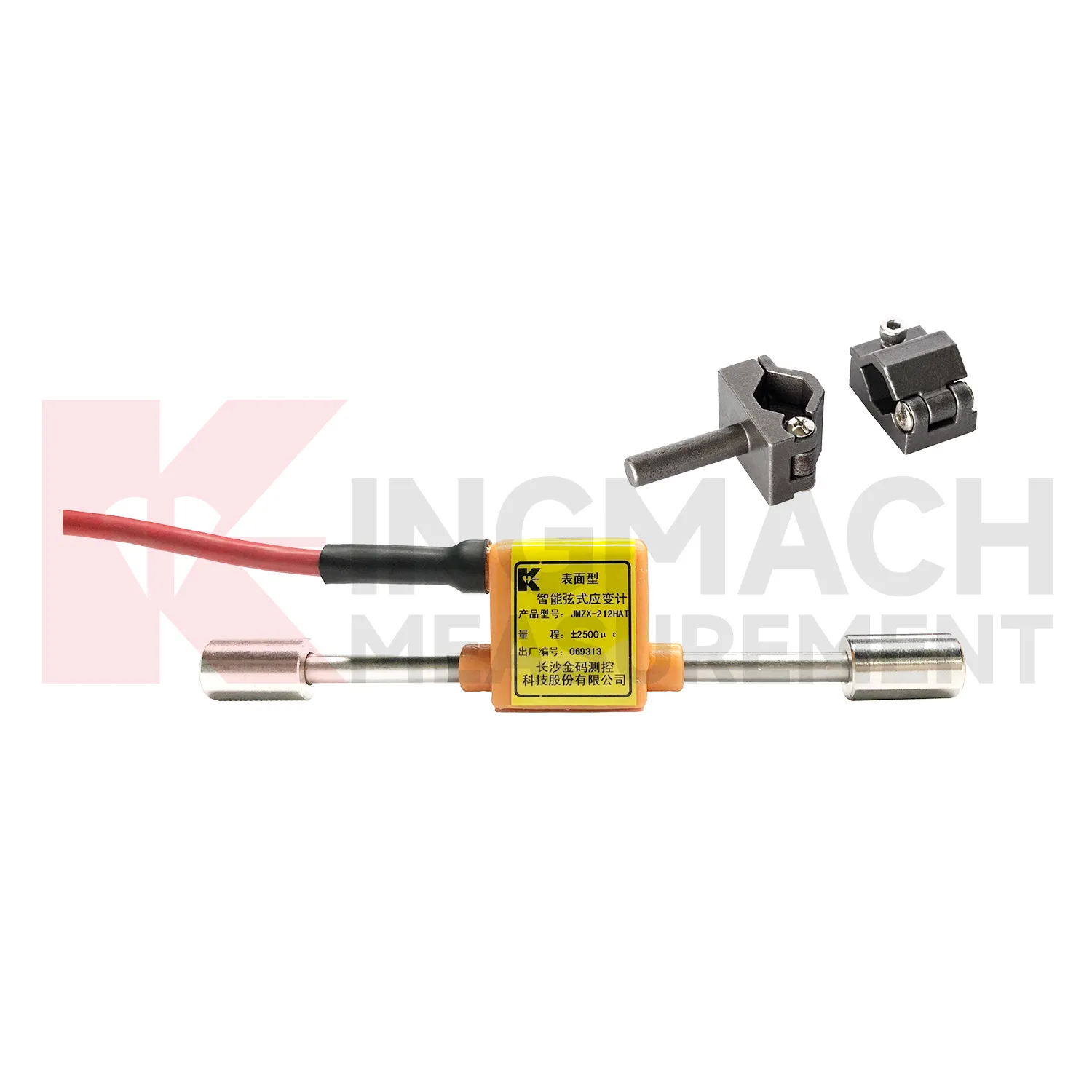
Care & Maintenance of strain gauge and load cell
Temperature management is part of maintaining {keyword}. Kingmach temperature versions can measure the monitoring point across -40℃ to +120℃ with ±0.5℃ temperature measurement accuracy, allowing strain correction when thermal movement affects the reading. During installation, keep temperature sensor wiring and strain wiring clearly labeled. During long term use, compare strain changes with temperature records before judging a structural problem. Bridges, exposed steel, dam galleries, and tunnel entrances can all show daily or seasonal thermal movement. If a channel drifts, review weather, curing stage, sunlight exposure, nearby heat sources, and acquisition settings. This simple habit prevents normal thermal behavior from being mistaken for structural distress. A simple inspection schedule should cover waterproof seals, cable jackets, grounding, connectors, data logger power, communication status, and comparison with nearby sensors. Compare suspicious readings with nearby channels before repair decisions. Keep these checks in the project log. Review the channel after major site work.
Kingmach strain gauge and load cell
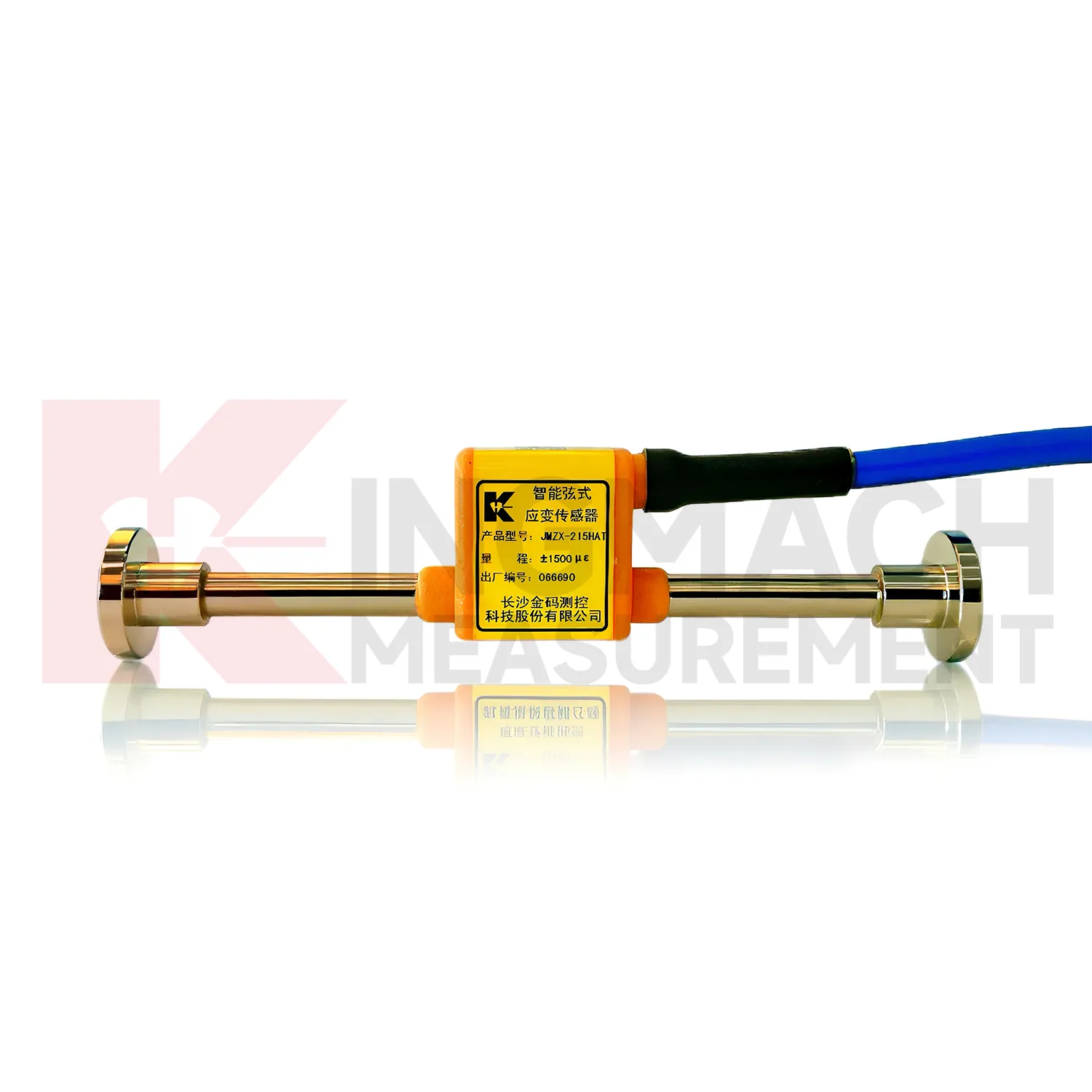
For reinforced concrete work, {keyword} can be installed where the stress path cannot be seen after pouring. Embedded gauges and rebar strainmeters allow engineers to follow internal strain, reinforcement stress, shrinkage, creep, and load transfer inside concrete members. Kingmach's JMZX-215HA/215HAT/HB embedded model is tied to rebar or mounted on brackets before concrete placement, while the JMZX-4XXHAT/HB rebar strainmeter measures stress in reinforcing steel. These instruments are useful in dams, bridges, pile foundations, cut off walls, tunnels, and large buildings. The data helps project teams understand whether the internal structure is carrying load as intended after construction advances. Because the monitoring point is selected around an engineering risk, the reading can support inspection planning, load review, reinforcement work, or acceptance testing. It also gives engineers a cleaner baseline for later comparison. The same data can guide inspection notes and repair timing. Site records matter. That field record supports later inspection.
FAQ
Q: How do I select {keyword} for concrete structures?
A: Use embedded gauges for internal concrete strain, surface gauges for exposed concrete, and rebar strainmeters when reinforcement stress is the main concern.
Q: Which model fits steel structures?
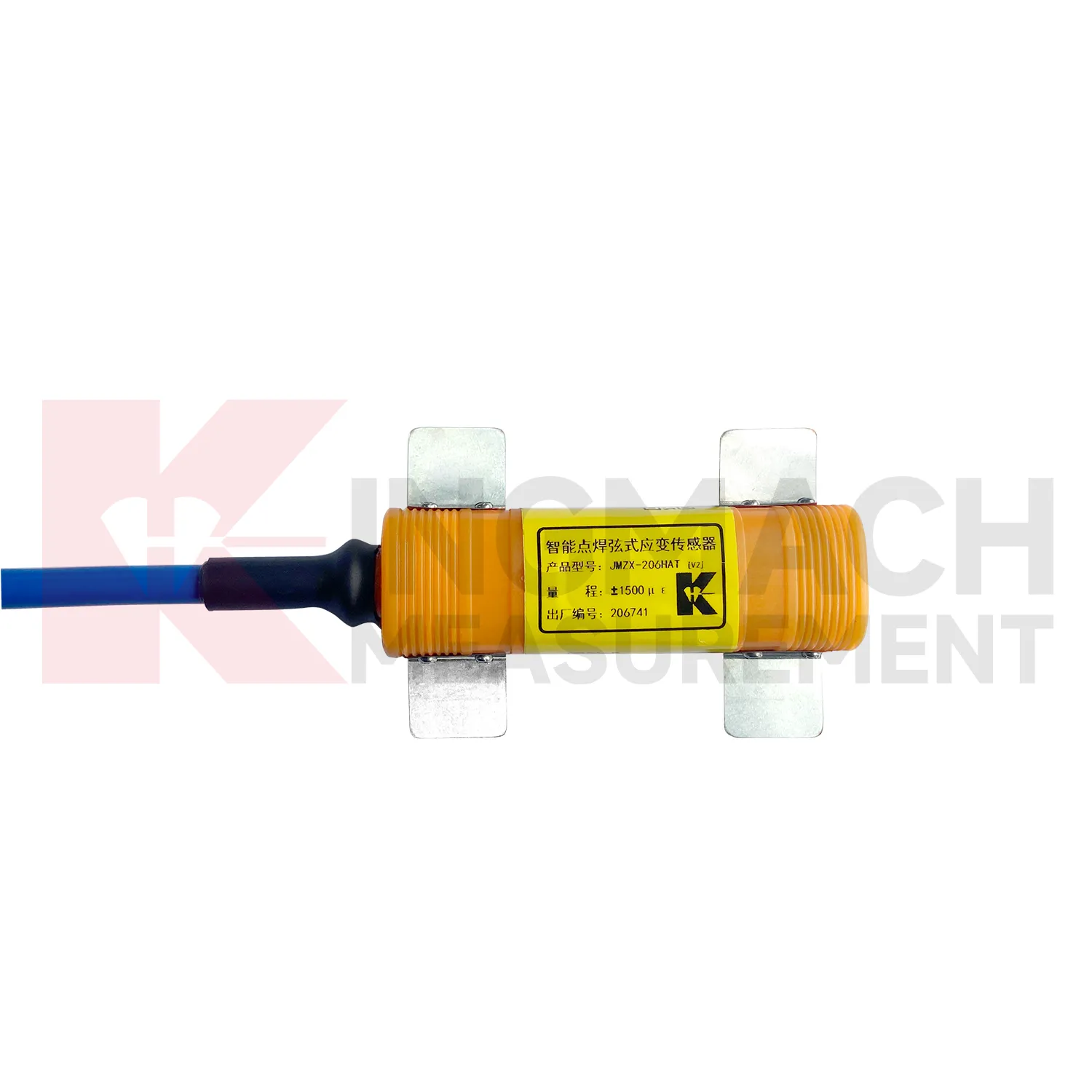
A: JMZX-206HAT is designed for surface welded installation on steel members and covers -1500 to +2500 microstrain.
Q: Can it measure temperature too?
A: Temperature versions can measure the monitoring point temperature, with a thermometer range from -40℃ to +120℃ and ±0.5℃ accuracy on listed models.
Q: What should be checked before installation?
A: Confirm surface preparation, model type, cable route, channel name, acquisition setting, waterproof protection, and calibration data.
Q: Can it connect to automatic data collection?
A: Yes. Kingmach gauges can be paired with comprehensive readouts and automated acquisition systems for unattended measurement.
Reviews
James Thompson
The tiltmeters and accelerometers are very sensitive and provide precise data. Perfect for our structural health monitoring system.
Robert Taylor
The weir flow meter is well-built and delivers accurate measurements. Great value for water management applications.
Latest Inquiries
To protect the privacy of our buyers, only public service email domains like Gmail, Yahoo, and MSN will be displayed. Additionally, only a limited portion of the inquiry content will be shown.
Emma***@gmail.comCanada
Dear Sir/Madam, we are interested in displacement transducers and settlement sensors for a geotechni...
Mia***@gmail.comNetherlands
Dear team, we are interested in your readouts & data loggers compatible with multiple sensors. Do yo...