
 EN
EN
 ar
ar bg
bg hr
hr cs
cs da
da nl
nl fi
fi fr
fr de
de el
el hi
hi it
it ko
ko no
no pl
pl pt
pt ro
ro ru
ru es
es sv
sv tl
tl iw
iw id
id lv
lv lt
lt sr
sr sk
sk sl
sl uk
uk vi
vi et
et hu
hu th
th tr
tr fa
fa ms
ms hy
hy ka
ka ur
ur bn
bn mn
mn ta
ta kk
kk uz
uz ku
ku
tiltmeter sensor
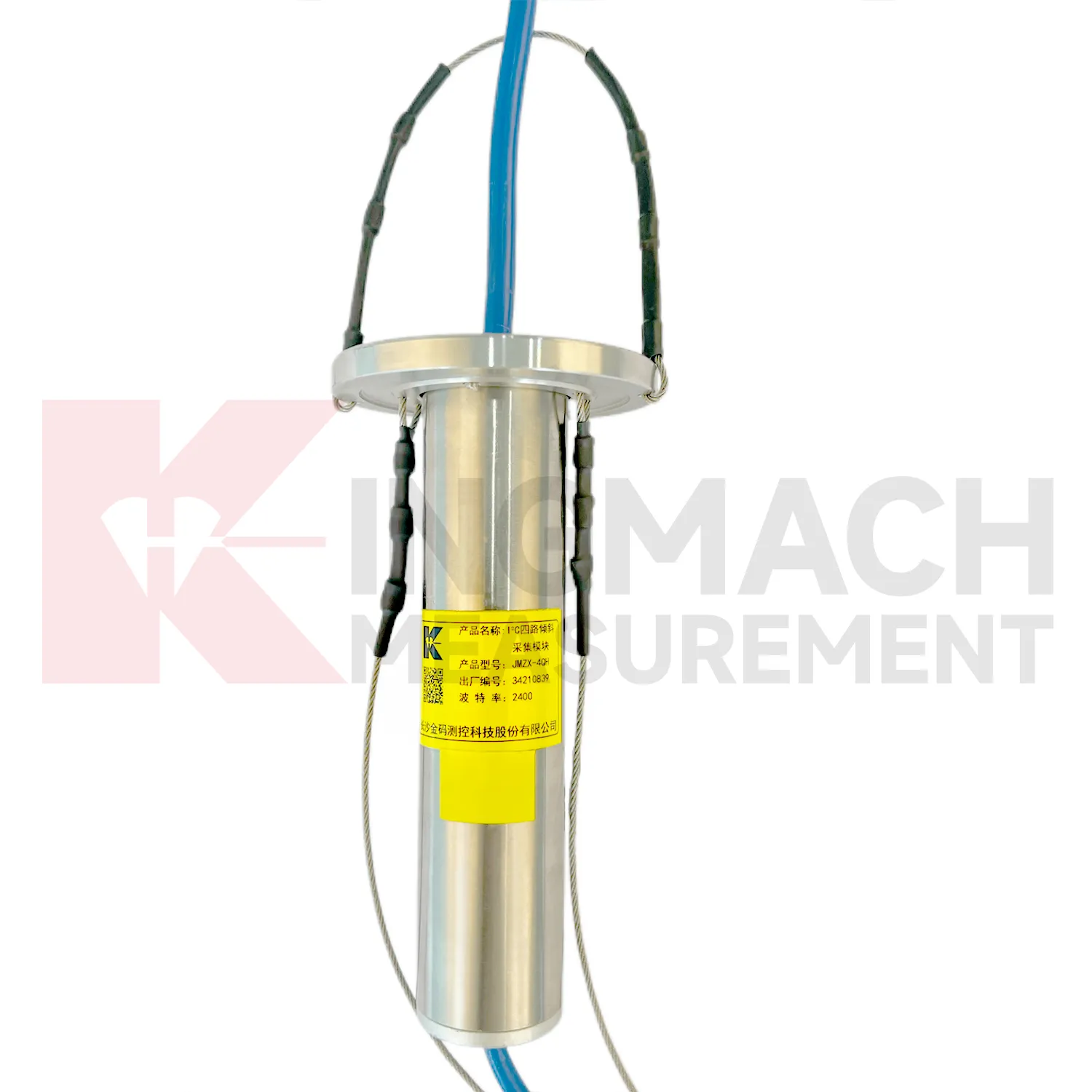
The JMZX-7100L sliding inclinometer is a field profiling instrument within the Kingmach tiltmeter sensor group. It is used for measuring horizontal displacement changes inside soil masses in dams, building foundations, embankment slopes, underground construction projects, geotechnical slopes, and port engineering. The instrument combines a sliding inclinometer probe with a 3D-MEMS silicon capacitor biaxial inclinometer sensor and an integrated testing instrument. It supports mobile phone APP reading, Bluetooth transmission, large storage capacity for millions of readings, data download for numerical and graphical analysis, real-time wireless network sending, Chinese and English menus, and dedicated post-processing software. Published specifications include +/-90 degrees sensor range, 500 mm guide wheel spacing reference, a probe size of 26 mm by 776 mm, 8.5 kg total weight, 2 kg probe weight, -20 degrees Celsius to +60 degrees Celsius operation, 180 m water pressure impermeability, and 100 g vibration resistance.
Application of tiltmeter sensor
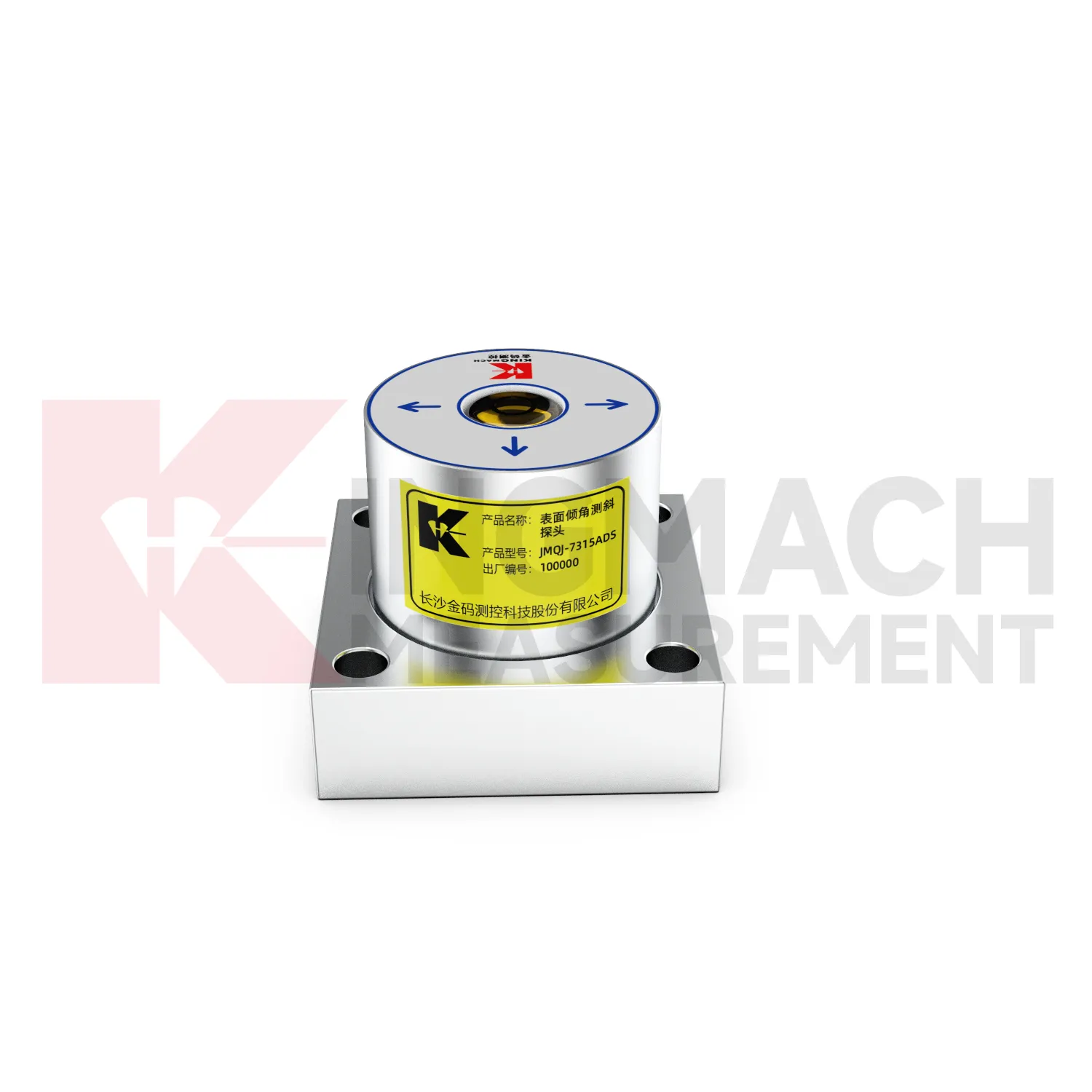
Railway and subway projects use tiltmeter sensor to observe trackside structures, retaining walls, tunnel linings, station structures, and embankment slopes. JMQJ-7315ADS supports wired RS485 acquisition, while JMQJ-7315RTU can reduce cable work through wireless 4G transmission. For underground or borehole deformation, JMQJ-7915ATS can provide multi-point inclinometer measurements. Tilt data should be interpreted with train operation, vibration, settlement, displacement, lining inspection, groundwater, and construction stage. Railway environments place strict demands on mounting protection and data continuity because access windows may be short. A good record connects each sensor with chainage, side, axis, structural member, and baseline reading. That way a tilt trend can be quickly compared with maintenance work or nearby deformation instruments.
The future of tiltmeter sensor
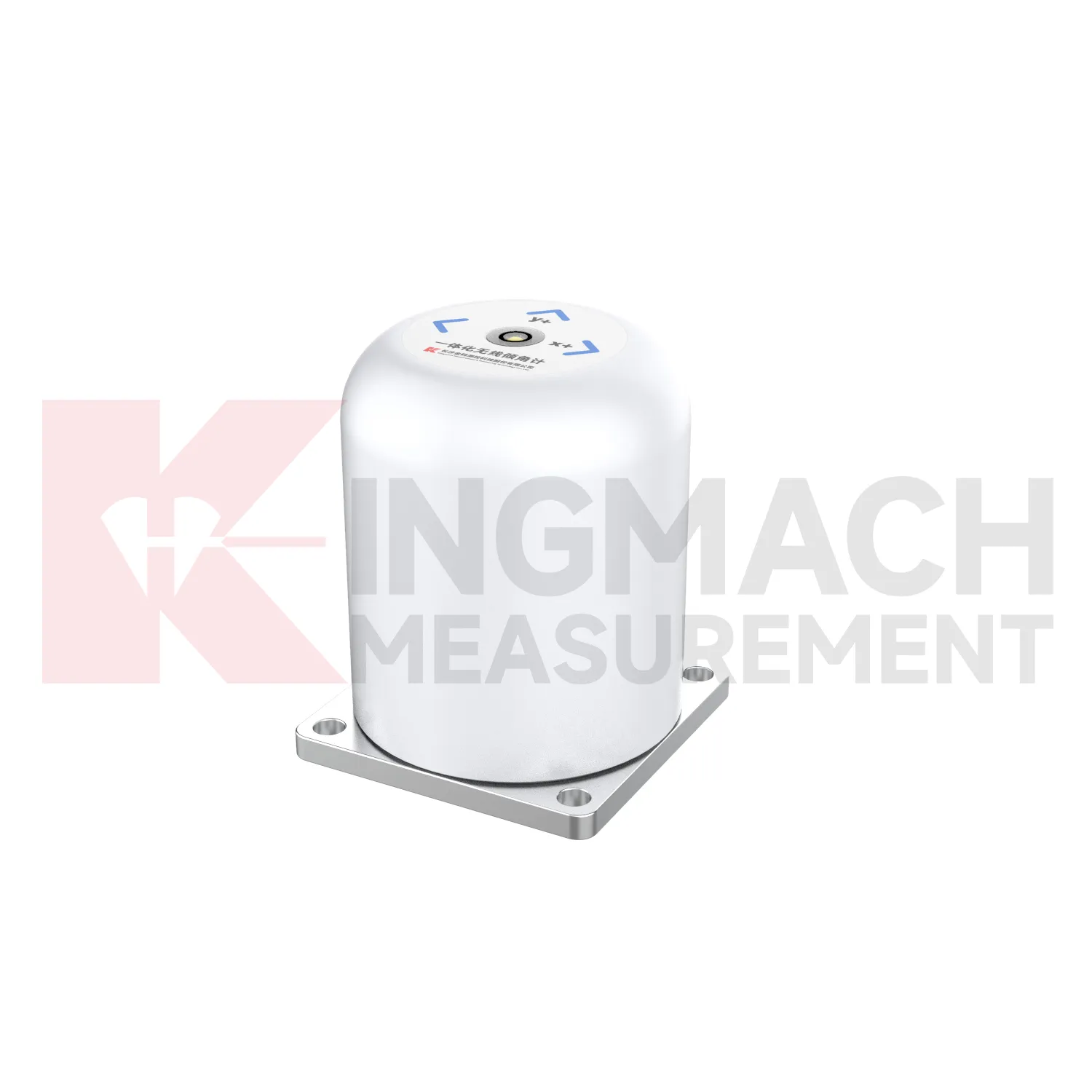
Low-power acquisition will matter more for future tiltmeter sensor in remote or difficult sites. JMQJ-7915ATS includes a low-power mode that powers sensors only during measurement, and JMQJ-7315RTU uses battery-based wireless operation. These features are important for slopes, dams, railways, and temporary construction areas where mains power or frequent access may be limited. Future systems will likely use smarter wake-up intervals, battery health reporting, and power-aware sampling plans. The goal is not to reduce monitoring quality; it is to match energy use to the risk level and deformation speed. A stable slope may need slower readings, while an active excavation or storm period may need denser data. Power planning will become part of measurement planning.
Care & Maintenance of tiltmeter sensor
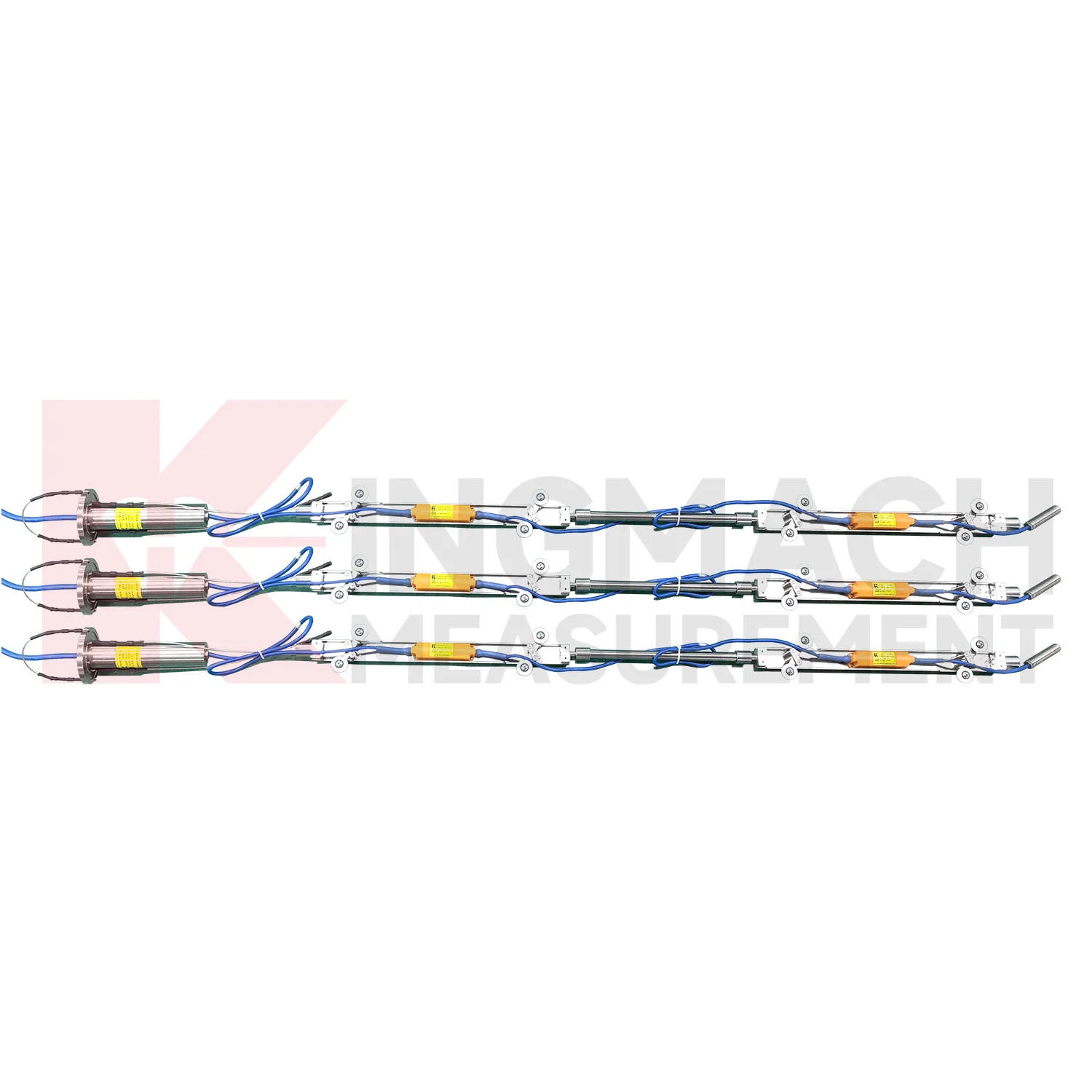
Baseline maintenance for tiltmeter sensor should be treated as a controlled record. The first value should be taken after the sensor, bracket, borehole string, or casing has stabilized. Do not reset a baseline silently when a curve looks inconvenient. If the point is moved, recalibrated, repaired, or replaced, keep the old value, new value, date, reason, technician, and related photographs. For in-place inclinometer systems, record depth position and group communication information. For sliding inclinometer work, keep the casing reference and reading direction consistent. A visible baseline history makes long-term tilt data easier to defend during review, especially when monitoring extends across construction stages and ownership handover.
Kingmach tiltmeter sensor
Kingmach tiltmeter sensor help engineers measure angular change in structures and ground where visual inspection cannot show early deformation. A small tilt in a bridge pier, retaining wall, building column, railway structure, or slope borehole can indicate load change, foundation movement, lateral soil pressure, or hidden internal displacement. Kingmach products use MEMS sensing, digital communication, sealed housings, and automated acquisition paths to support long-term monitoring. Fixed sensors such as JMQJ-7315ADS can measure biaxial tilt relative to the horizontal plane, while vertical in-place inclinometer systems observe multi-point deformation inside boreholes. The value of tilt monitoring is not only the angle value; it is the way repeated readings show rate, direction, and timing. When the baseline, location, axis direction, and structural event are recorded clearly, tilt data becomes a practical warning layer for civil works.
FAQ
Q: How often should tiltmeter sensor be inspected?
A: Inspection frequency depends on risk, access, construction stage, and deformation speed; active excavation or storm periods often need closer review.Q: What maintenance is needed for wireless tilt units?
A: Check battery status, antenna condition, upload timing, enclosure seals, point label, and platform channel naming.Q: What causes false tilt changes?
A: Loose mounting, disturbed cables, water entry, temperature effects, power faults, channel mistakes, or inconsistent manual reading can affect the record.Q: How should replacement be handled?
A: Record old and new model, serial number, range, baseline, reason, date, axis direction, channel name, and first stable value after replacement.Q: What makes tilt data useful over many years?
A: Consistent point naming, stable baselines, clear installation photos, protected hardware, visible maintenance records, and comparison with related site data.
Reviews
Daniel Brown
Excellent environmental monitoring sensors. The data is consistent, and the system integrates smoothly with our existing setup.
Andrew Lee
The visualization software is intuitive and powerful. It helps us analyze monitoring data efficiently.
Latest Inquiries
To protect the privacy of our buyers, only public service email domains like Gmail, Yahoo, and MSN will be displayed. Additionally, only a limited portion of the inquiry content will be shown.
Isabella***@gmail.comGermany
Hello, we are evaluating weir flow meters for a water management project. Please share accuracy deta...
Evelyn***@gmail.comSouth Africa
Hi, we are a contractor working on tunnel construction and need settlement sensors and displacement ...