
 EN
EN
 ar
ar bg
bg hr
hr cs
cs da
da nl
nl fi
fi fr
fr de
de el
el hi
hi it
it ko
ko no
no pl
pl pt
pt ro
ro ru
ru es
es sv
sv tl
tl iw
iw id
id lv
lv lt
lt sr
sr sk
sk sl
sl uk
uk vi
vi et
et hu
hu th
th tr
tr fa
fa ms
ms hy
hy ka
ka ur
ur bn
bn mn
mn ta
ta kk
kk uz
uz ku
ku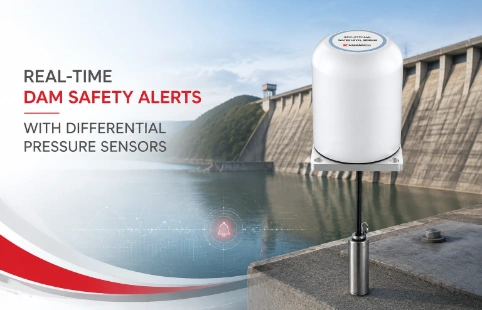
Real-Time Dam Safety Alerts with Differential Pressure Water Level Sensors
Key Takeaways An alert chain needs more than a sensor: define field in...

Automated Equipment Test Cables
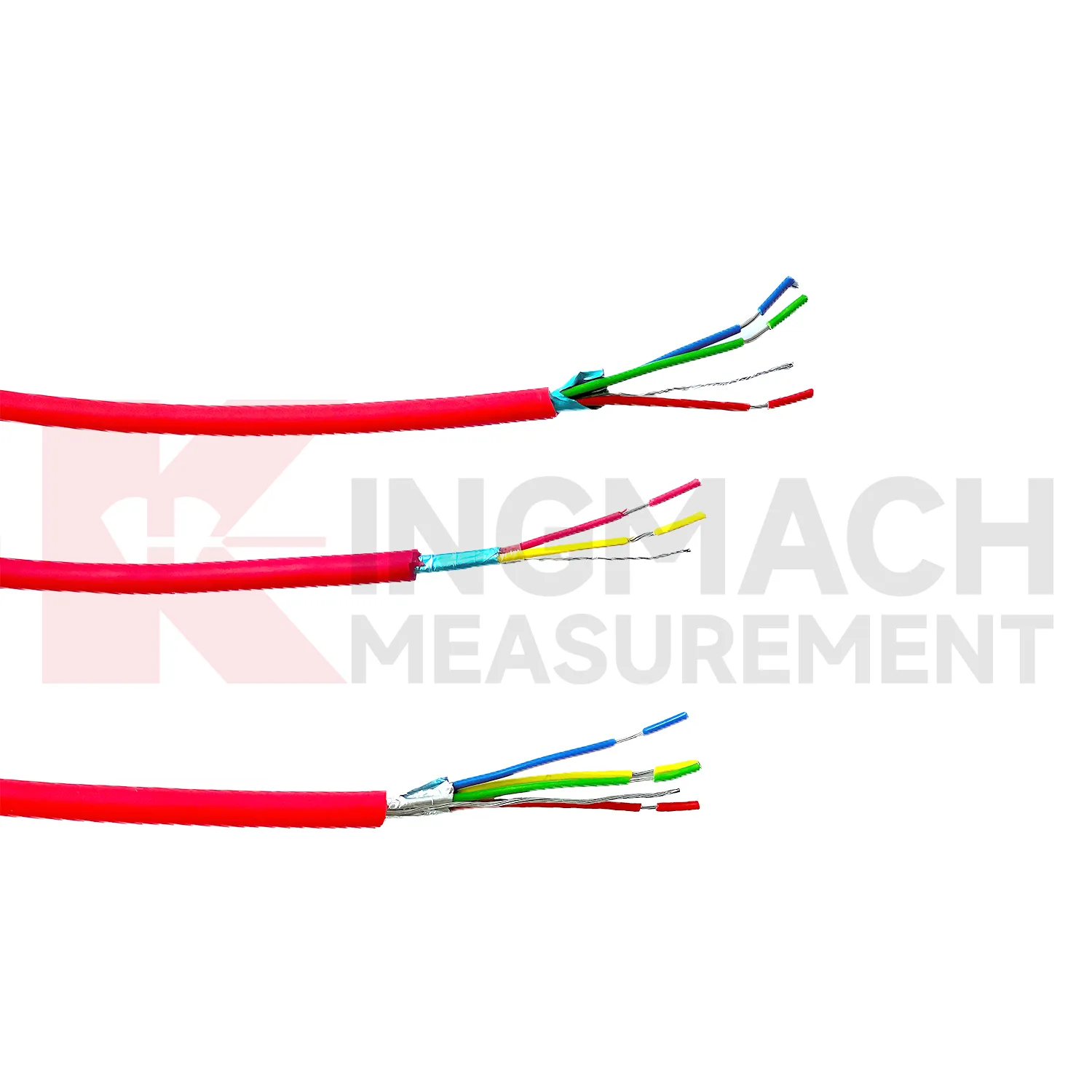
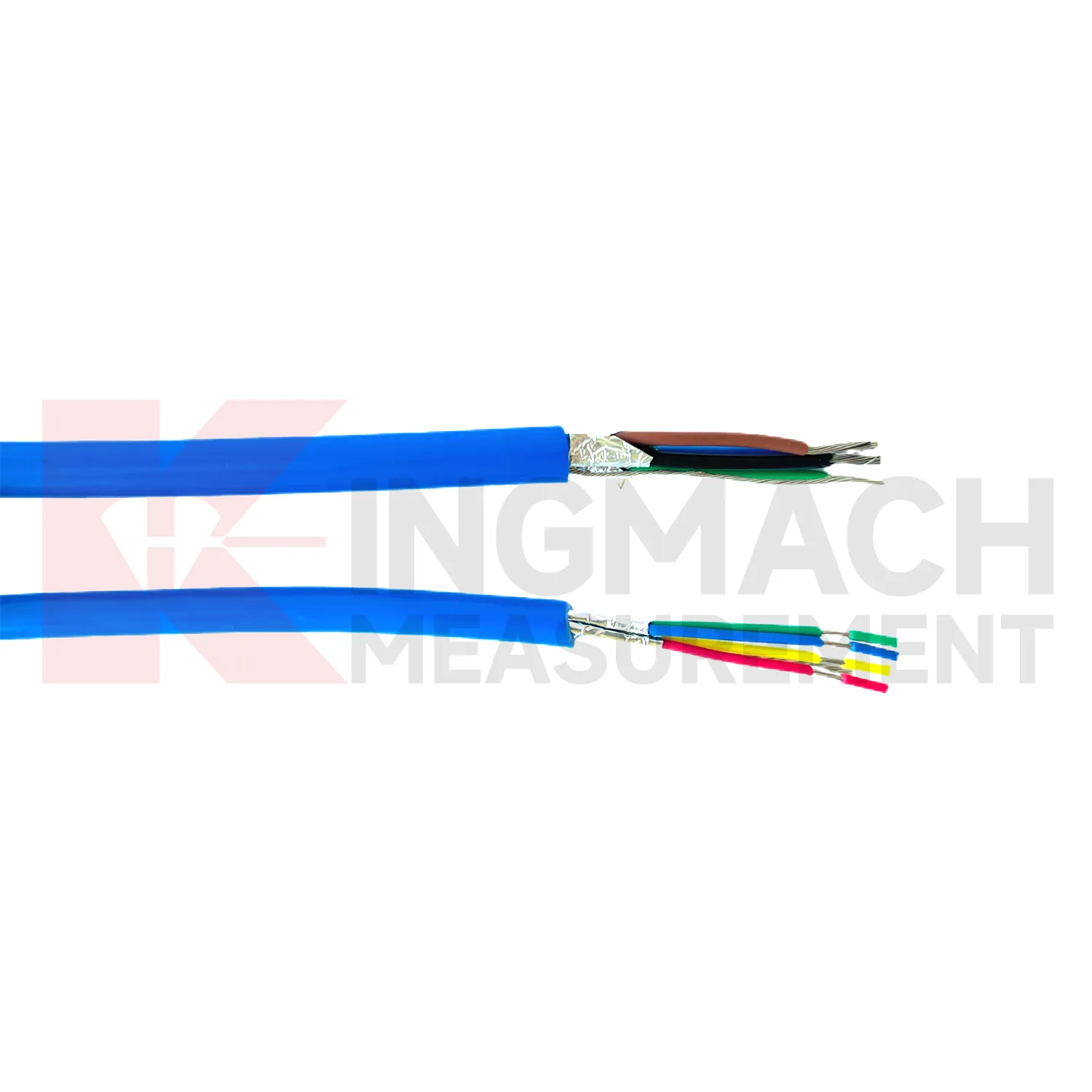
A test cable stops being just a cable when it’s asked to carry millivolt signals from a vibrating wire sensor through 50 meters of conduit, in rain, for ten years. Kingmach’s automated equipment test cables are built for that kind of work. They connect data loggers, multiplexers, and sensors across geotechnical and environmental monitoring sites where downtime isn’t an option. Rather than a one-size-fits-all part number, these cables are configured per project. You pick the conductor gauge, shielding type, jacket material, and connector ends — M12, military-spec, bare wire, or whatever your equipment needs. The result is a cable that fits into an automated system without adapter clutter or signal loss. For engineers running long-term monitoring on dams, tunnels, or mines, that consistency means fewer false alarms and less troubleshooting. Kingmach has been supplying instrumentation for these applications since 2010, so the cables reflect field feedback: tougher strain relief, sequential markings every meter, and UV-resistant jackets that don’t crack after a couple of summers.
Technical Detail
The automated equipment test cable lineup from Kingmach covers the wiring between sensors and the central data acquisition unit in automated monitoring networks. Common configurations use 22 AWG stranded copper conductors with aluminum-foil shielding and a drain wire, wrapped in a polyurethane jacket rated for temperatures from -40°C to 80°C. That’s a typical industry spec — but the real value is in how Kingmach handles the custom work. If your project uses a Geokon or Sisgeo datalogger with a 10-pin bulkhead connector, Kingmach can build the cable with the exact mating plug, potted for moisture resistance, and ship it coiled in the length you specify. No splicing on site. No guessing about pinouts. For automated systems that run 24/7, even small impedance shifts matter. Kingmach pre-tests each assembly for continuity and insulation resistance, and can add a braided shield layer when there’s heavy EMI from nearby pumps or power lines. The cables are often buried or hung in boreholes, so the jacket options include HDPE for abrasion resistance and LSZH for tunnel projects with fire safety rules. Engineers who need to order in bulk for a large monitoring campaign can get sequential numbering on cable jackets and test reports included in the shipment. Customer feedback over the past decade has shaped details like the reinforced transition where the cable enters the connector backshell — a common failure point in cheaper cables. Typical applications include dam safety monitoring, where dozens of extensometers and piezometers feed data automatically to a central logger, and mining operations that need to track ground displacement remotely. In these scenarios, a cable that fails can shut down monitoring until a crew can access the location, sometimes weeks later. Kingmach’s technical team often helps with cable selection early in the project, looking at sensor output impedance, expected routing lengths, and environmental conditions, then proposing a build that fits the budget without compromising signal integrity. The company’s global distribution network means these custom cables reach project sites in Southeast Asia, Africa, and South America with consistent lead times and local support when needed.
News
Key Takeaways An alert chain needs more than a sensor: define field in...
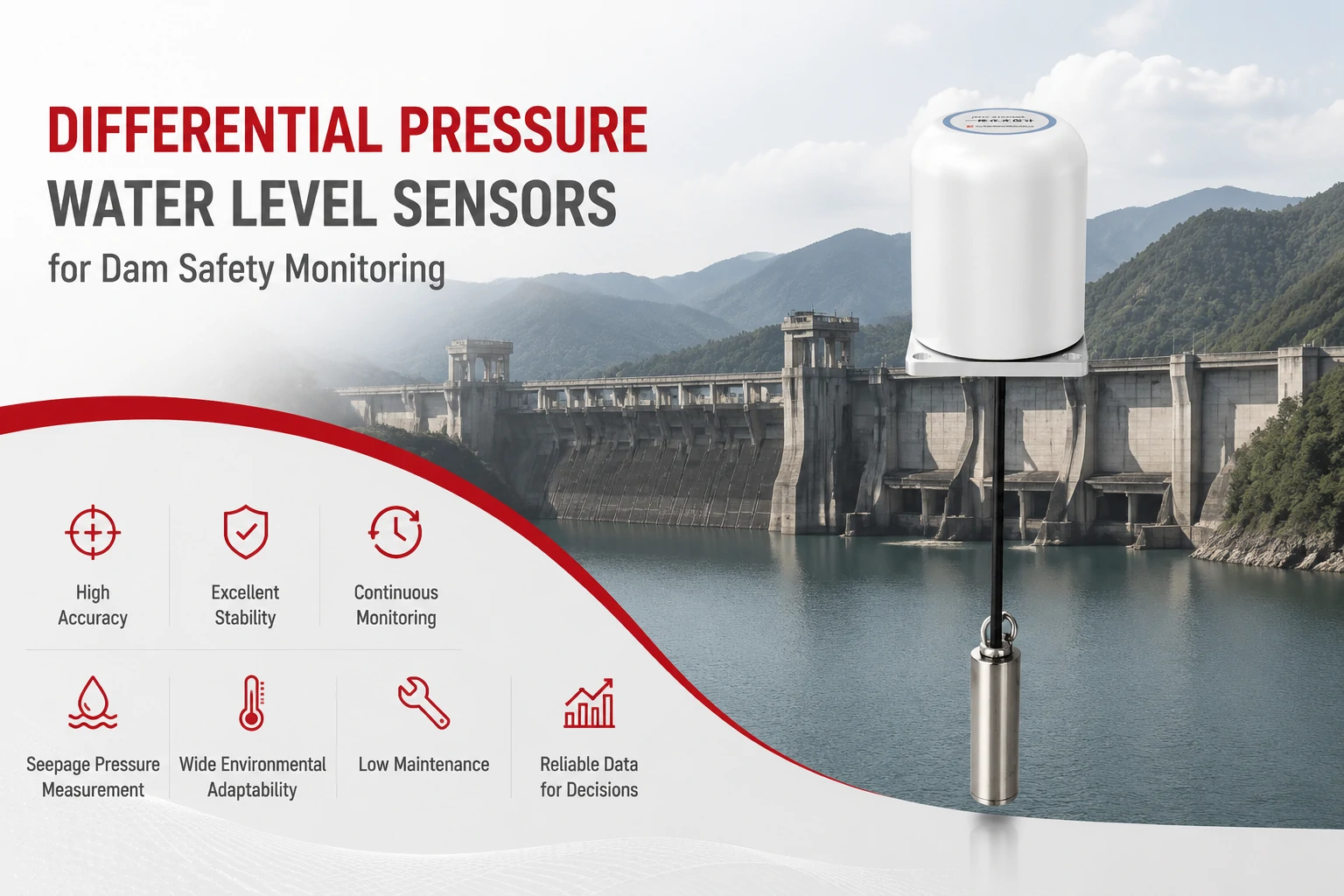
Key Takeaways The strongest fit is usually a confined, submerged, or s...
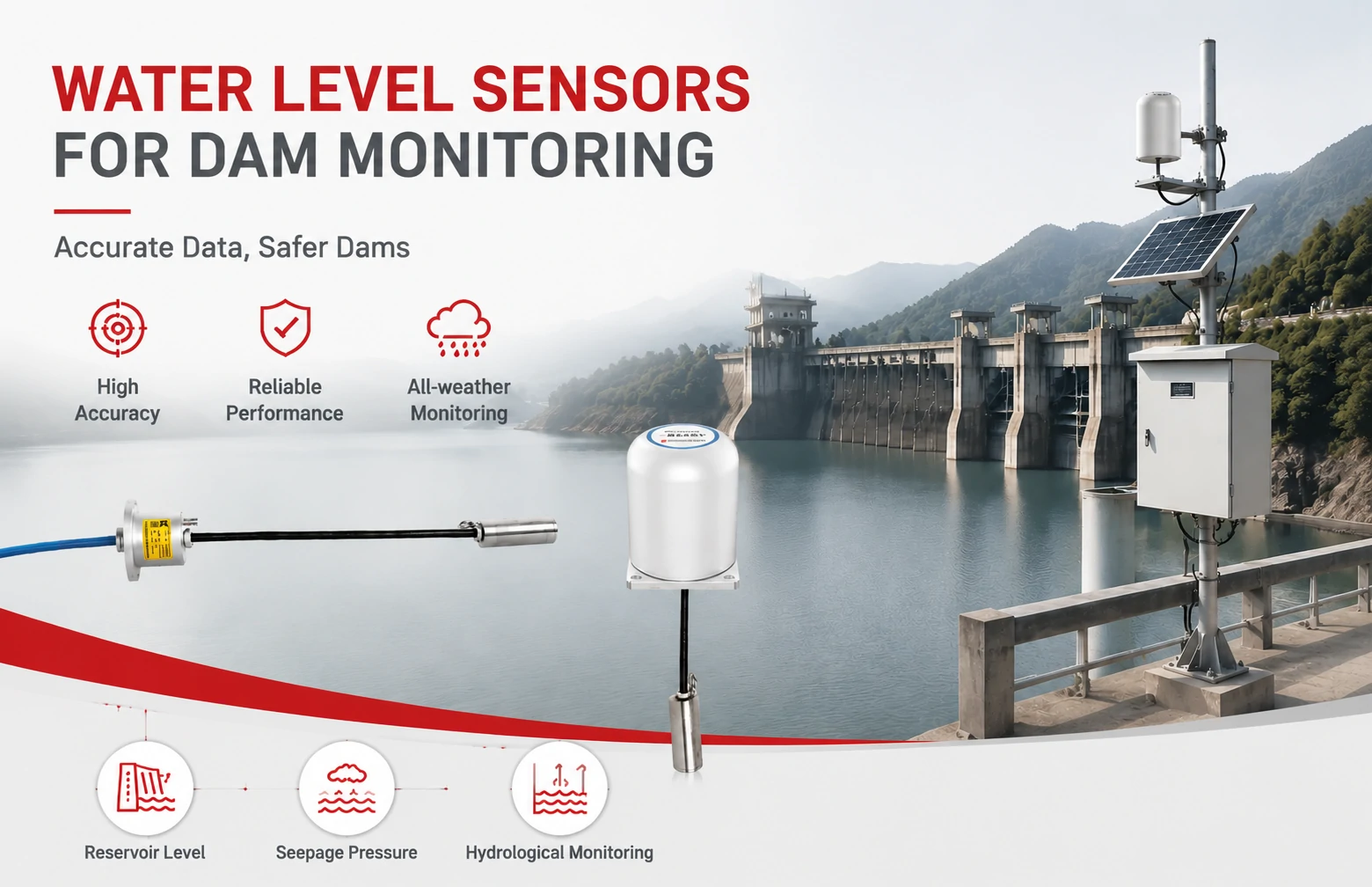
Kingmach Water Level Sensors for Dam Monitoring: A Buyer's Guide to Differential Pre...
Products
FAQ
Yes. Many monitoring setups require, for example, a bare wire end at the sensor and a multi-pin plug at the datalogger. Kingmach assembles these hybrid cables to your pinout drawing, and we can pot the connectors to seal out moisture if the cable will live outdoors.
If the cable runs alongside power cables or near motors, a combination of aluminum-foil and a tinned-copper braid gives good protection against both high-frequency and low-frequency interference. Our technical team can review your site photos and sensor specs to recommend the right option.
We can print sequential meter marks and custom text like “PEZ-03” directly on the jacket. For bundles, we also offer colored heat-shrink labels near each end so your field crew can identify cables at a glance.
Most cables are made to order because connector types and lengths vary so widely between projects. But we do keep a limited stock of popular configurations — like 50-meter reels with bare ends — for customers who need fast delivery. Ask our sales team for current inventory.
Every cable assembly goes through a continuity check and an insulation resistance test at the rated voltage. We can also perform a TDR test to verify impedance on longer runs. Test results are included in the shipment if you request them at order time.
Share your product type, target capacity, and application requirements. Our team can review the details and recommend a practical next step.
If you are interested in our products or want to become our partner.
Please leave your contact information, our team will contact you as soon as possible.
Mail: [email protected]
Contact Us: +8613808434127
Address: No. 188 Tongzipo West Rd, Changsha, Hunan, China