
 EN
EN
 ar
ar bg
bg hr
hr cs
cs da
da nl
nl fi
fi fr
fr de
de el
el hi
hi it
it ko
ko no
no pl
pl pt
pt ro
ro ru
ru es
es sv
sv tl
tl iw
iw id
id lv
lv lt
lt sr
sr sk
sk sl
sl uk
uk vi
vi et
et hu
hu th
th tr
tr fa
fa ms
ms hy
hy ka
ka ur
ur bn
bn mn
mn ta
ta kk
kk uz
uz ku
ku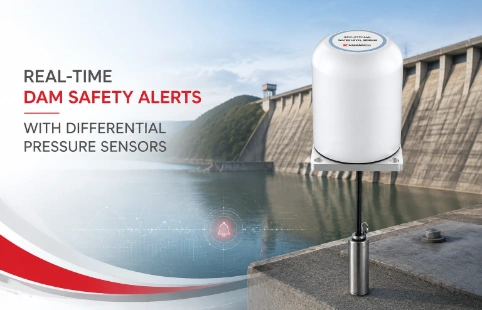
Real-Time Dam Safety Alerts with Differential Pressure Water Level Sensors
Key Takeaways An alert chain needs more than a sensor: define field in...

Industrial-Grade Central Acquisition Module for Demanding Monitoring
Data loggers in the field have a hard life. Buried in damp trenches, strapped to vibrating bridge piers, or baking inside roadside cabinets—moisture, dust, and temperature swings are the norm. If the central unit fails, weeks of readings can vanish. Most off-the-shelf loggers simply cannot handle that level of punishment for years on end. That is exactly the problem Kingmach’s industrial-grade central acquisition module was built to solve. Rather than a generic PLC pressed into service, it is purpose-built around the needs of geotechnical and structural monitoring: low-power but always-on operation, native support for vibrating wire, strain gauge, and other survey sensors, and firmware that prioritises data integrity over fancy interfaces. Field techs can swap out channel boards or swap in a new modem without rewriting the whole config file. For an engineer who has to manage a spread of inclinometers, piezometers, and crack meters across a landslide zone, that kind of resilience is not a bullet point—it is the reason the system still reports after a storm season.
Technical Detail
A central acquisition module is the linchpin of any distributed monitoring system. It polls dozens of sensors, timestamps readings with GPS accuracy, and pushes data upstream to a server or SCADA. If it is not engineered for the task, gaps in the record are inevitable. Kingmach’s industrial-grade version approaches this from the perspective of a geotechnical instrument manufacturer. The enclosure is sealed to IP65, with internal desiccant packs and conformal-coated circuit boards so high humidity does not trigger false triggers. The analogue front-end handles everything from 4-20 mA loops to full Wheatstone bridge inputs, and the digital bus can talk Modbus RTU, SDI-12, and CAN. That means a single module can consolidate a tiltmeter, a water level sensor, and a meteorological station without needing a cabinet full of protocol converters. Power management matters as much as signal integrity in remote sites. The module transitions between a fast sampling mode and a deep-sleep state that draws less than 2 mA, waking itself up on a cron schedule or an alarm trigger. Combined with a solar panel and charge controller, it runs unattended for seasons. Storage is another frequent headache: the industrial CompactFlash socket accepts cards up to 256 GB, enough for five years of 10-minute data without ever polling a server. When connectivity is available, the built-in 4G modem (with an optional satellite backup) pushes files via MQTT or FTP. Kingmach ships the logger with an onboard web interface that lets technicians check signal traces and battery voltage from a smartphone browser, no proprietary software needed. Customisation is part of the package. Because Kingmach builds its own instruments, engineering can modify the input range, add a relay output for pump control, or pre-wire the terminal blocks to a project’s exact sensor list before the crate leaves the factory. The global distributor network stocks spare boards and antennas, and technical support can remote into the module with the user’s permission to troubleshoot during commissioning. For a contractor juggling multiple sites, that practical, instrument-maker mindset goes further than a glossy datasheet ever could.
News
Key Takeaways An alert chain needs more than a sensor: define field in...
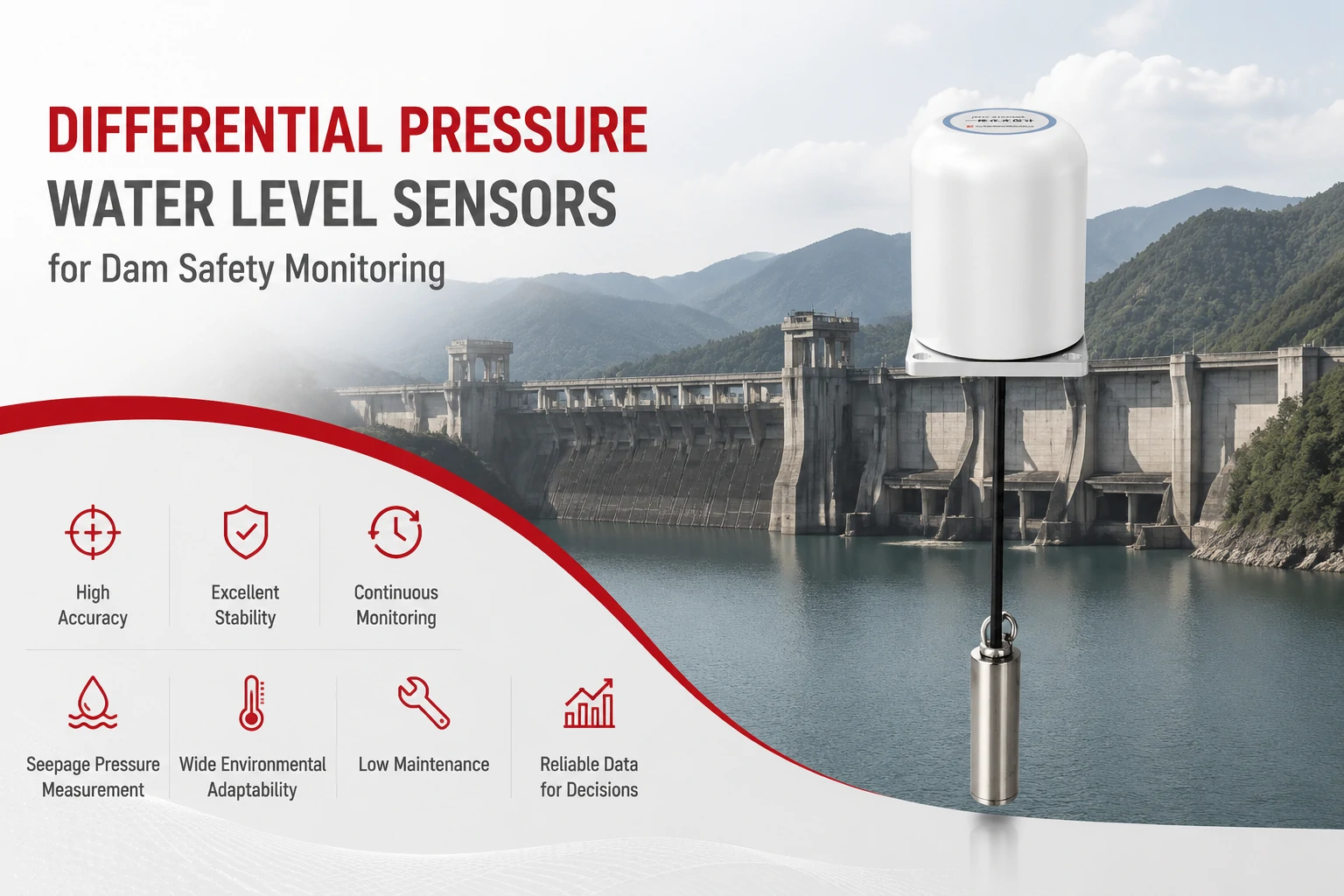
Key Takeaways The strongest fit is usually a confined, submerged, or s...
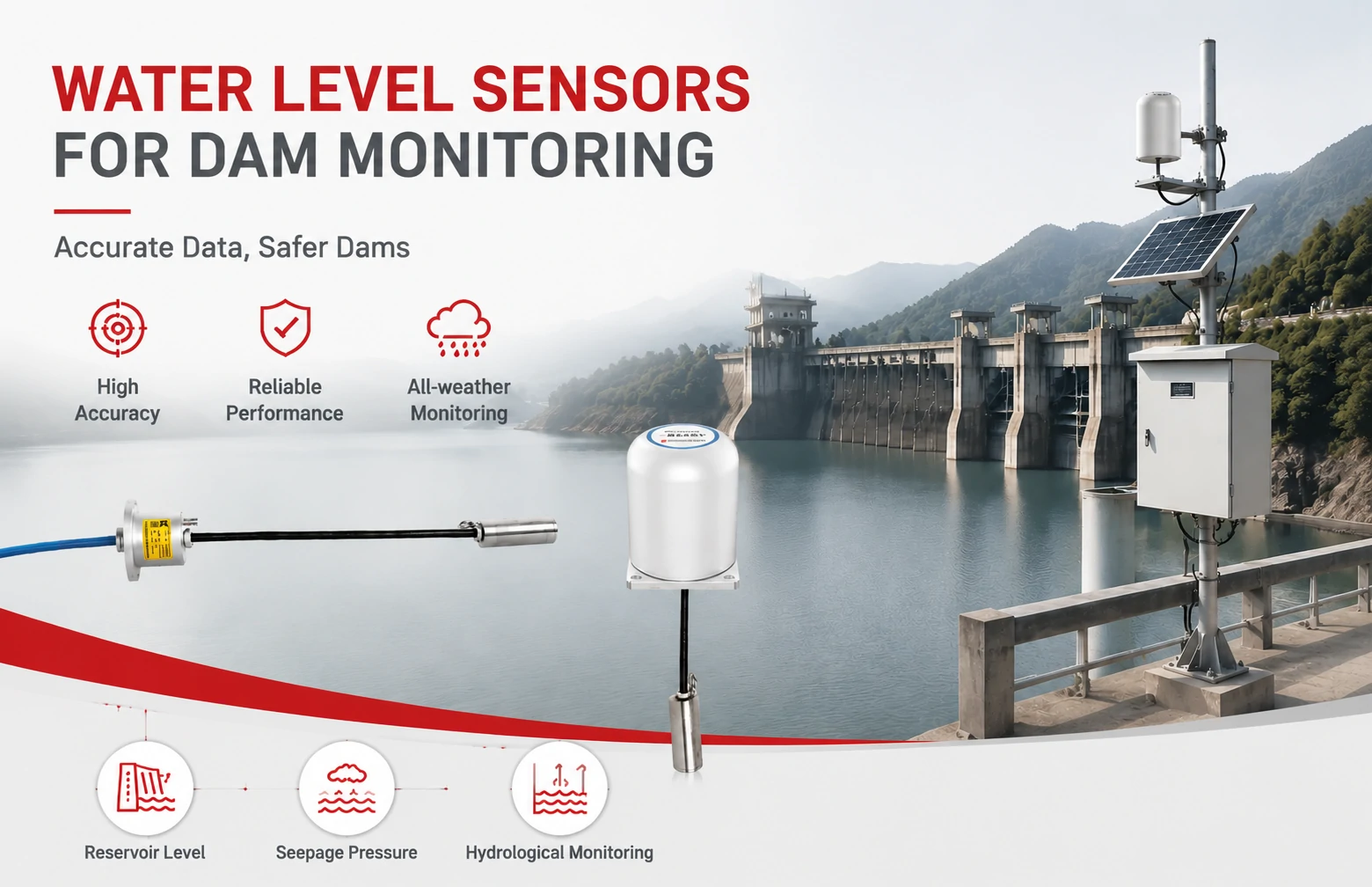
Kingmach Water Level Sensors for Dam Monitoring: A Buyer's Guide to Differential Pre...
Products
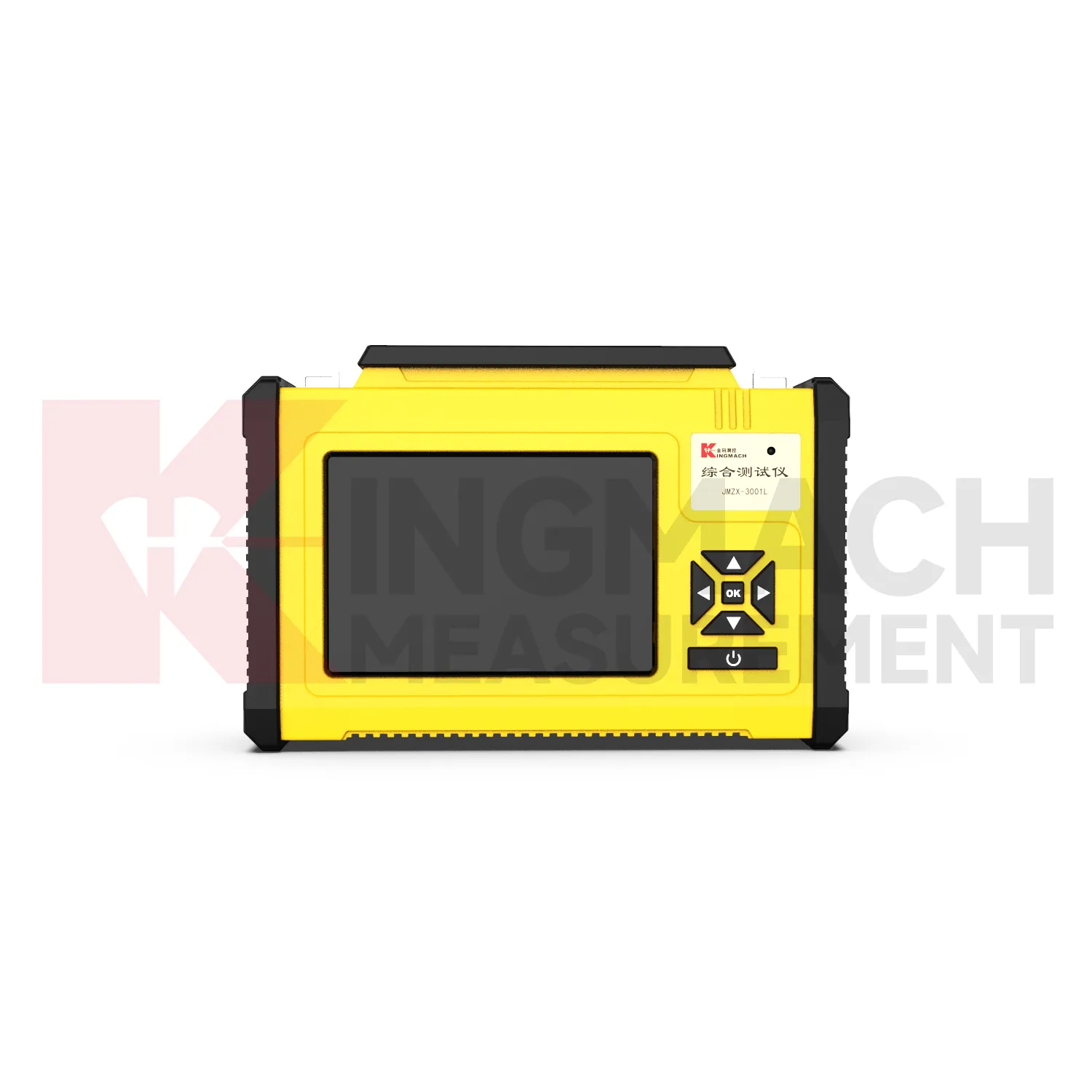
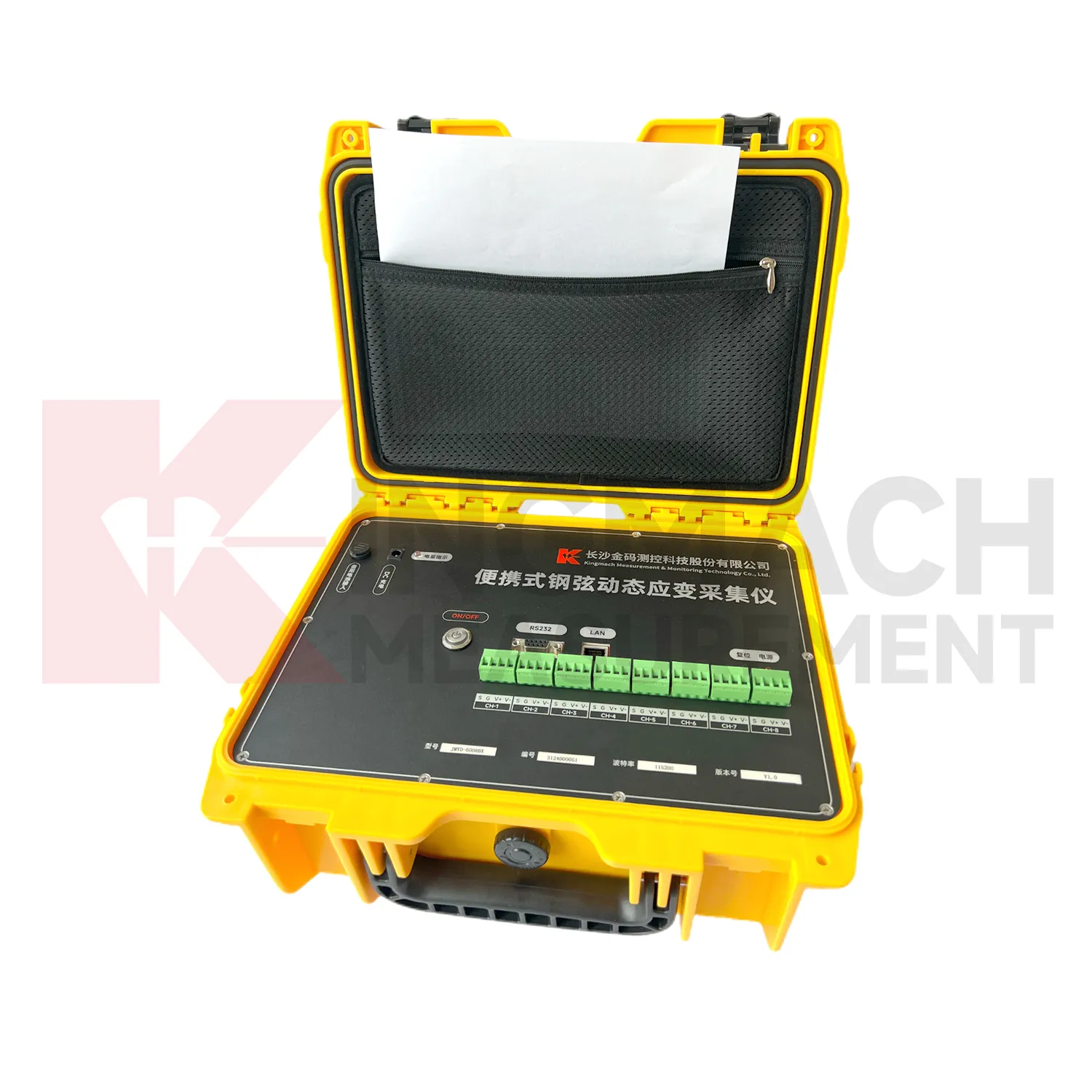
Portable Vibrating Wire Dynamic Strain Acquisition Readout JMYD-6008BX
View Details
FAQ
It supports vibrating wire, strain gauge, potentiometer, thermistor, 4-20 mA transmitter, and digital sensors via Modbus, SDI-12, or CAN bus. The input channels are configurable in software, so you can mix sensor types without adding external converters.
All configuration and calibration data are stored in non-volatile memory. When power returns, the module resumes its programmed schedule and re-syncs the internal clock from GPS or NTP. A supercapacitor-backed real-time clock keeps time during short outages.
Yes, the module’s communication slot accepts a 4G/LTE modem, Wi-Fi module, or satellite terminal. You can retrofit a unit that previously only logged locally, and the firmware will start pushing data to your server without changing the sensor wiring.
The standard housing is IP65 with GORE vents and conformal coating on the PCBs. For saline or chemical exposure, Kingmach can supply a stainless-steel enclosure with sealed cable glands and a nitrogen-purge valve as a custom option.
Our engineering team can assist with system design, startup, and remote diagnostics. Spare parts are stocked by regional distributors, and we offer training sessions for your field crew so they can handle routine maintenance and sensor swaps on their own.
Share your product type, target capacity, and application requirements. Our team can review the details and recommend a practical next step.
If you are interested in our products or want to become our partner.
Please leave your contact information, our team will contact you as soon as possible.
Mail: [email protected]
Contact Us: +8613808434127
Address: No. 188 Tongzipo West Rd, Changsha, Hunan, China