
 EN
EN
 ar
ar bg
bg hr
hr cs
cs da
da nl
nl fi
fi fr
fr de
de el
el hi
hi it
it ko
ko no
no pl
pl pt
pt ro
ro ru
ru es
es sv
sv tl
tl iw
iw id
id lv
lv lt
lt sr
sr sk
sk sl
sl uk
uk vi
vi et
et hu
hu th
th tr
tr fa
fa ms
ms hy
hy ka
ka ur
ur bn
bn mn
mn ta
ta kk
kk uz
uz ku
ku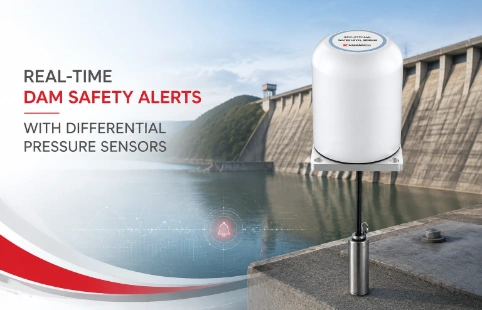
Real-Time Dam Safety Alerts with Differential Pressure Water Level Sensors
Key Takeaways An alert chain needs more than a sensor: define field in...

Piezoelectric Accelerometer for Geotechnical Monitoring
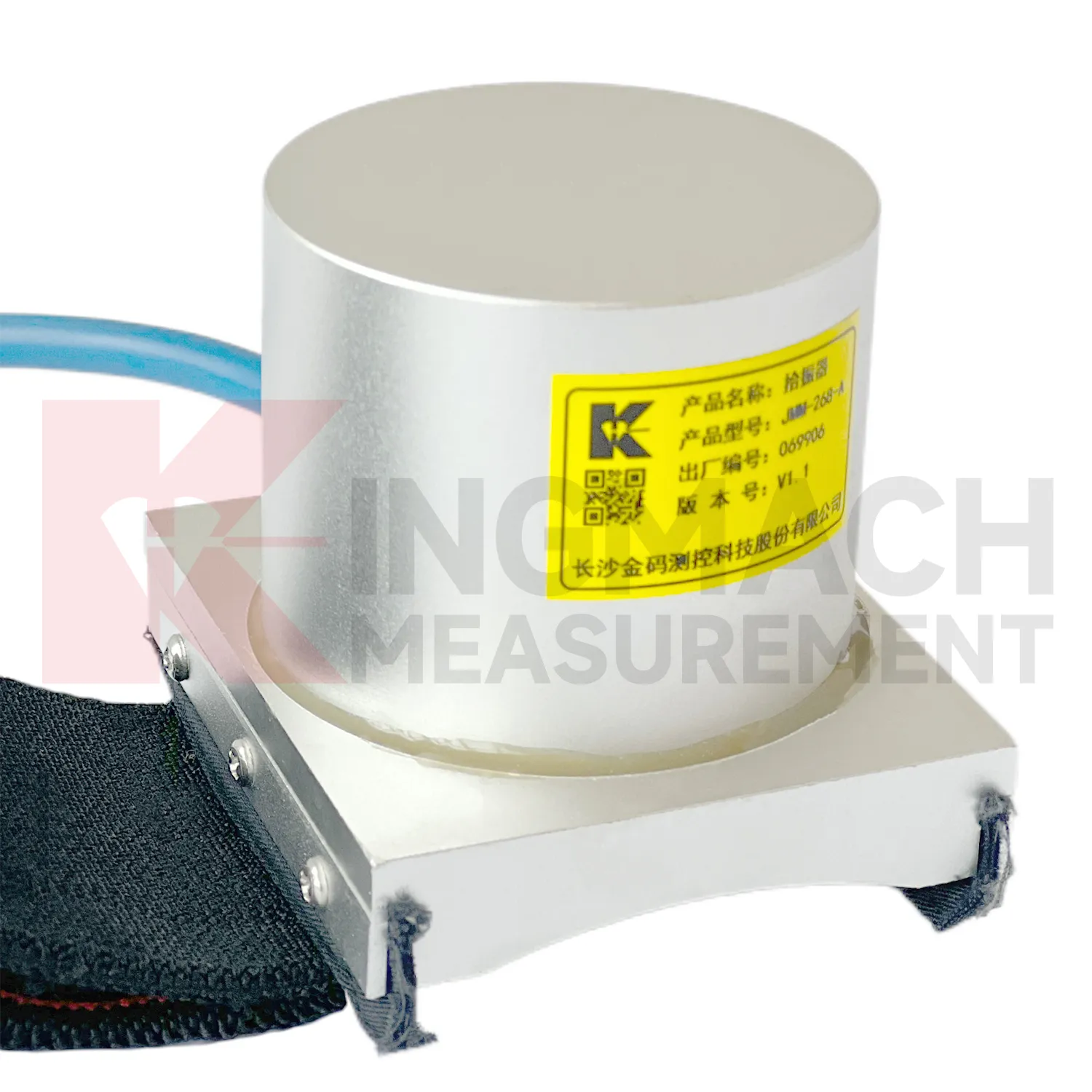
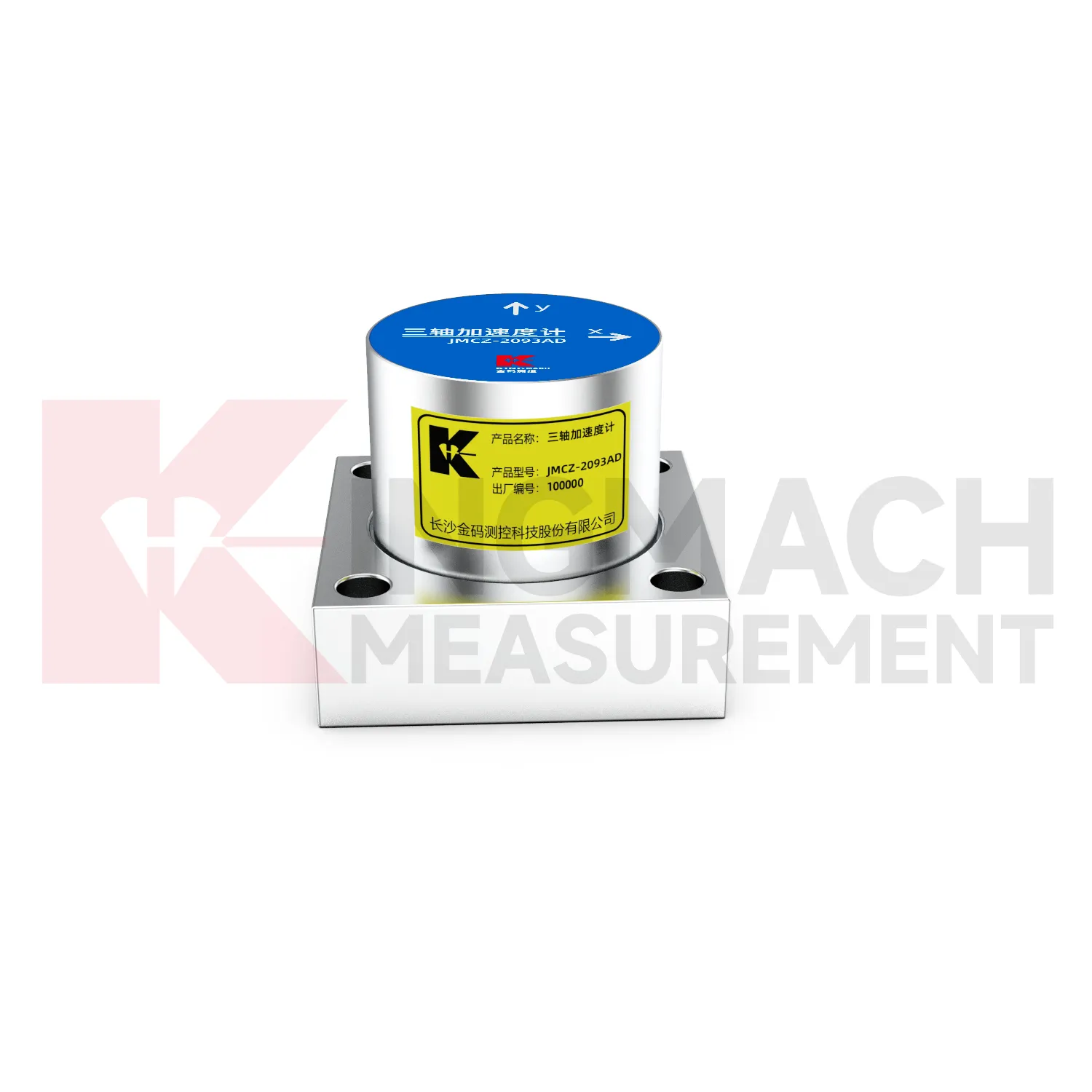
When a tunnel boring machine advances through mixed ground, vibration levels can signal impending face collapse. Capturing those signals reliably calls for an accelerometer that holds its calibration over months of rough service. Kingmach has built a family of piezoelectric accelerometers around that reality. Unlike generic vibration sensors, these units turn mechanical stress directly into an electrical charge, with onboard electronics that minimize cable noise—practical when cable runs stretch tens of meters on a job site. The line includes voltage-output (IEPE) and charge-output types, sealed against dust and moisture, and covers frequency ranges from below 1 Hz to several kHz, making them useful for monitoring everything from slow slope creep to blast-induced transient vibrations. Custom sensitivity ranges, cable lengths, and mounting threads are available, which means you can match the sensor to your data logger and physical access constraints without hacking together adapters. Kingmach ships to over 30 countries, and a support team familiar with geotechnical instrumentation helps with installation questions and troubleshooting after delivery. This article walks through how these accelerometers are built for field use, what separates one model from another, and the kind of questions our customers usually ask before ordering.
Technical Detail
A piezoelectric accelerometer works on a simple principle: a seismic mass loads a piezoelectric crystal, and when the sensor shakes, the crystal outputs a charge proportional to the acceleration. That charge then gets converted to a voltage either by an external charge amplifier or, in IEPE sensors, by a miniature built-in preamplifier. Kingmach supplies both configurations. The choice often comes down to field practicality—IEPE simplifies cabling with coax leads, while charge-output excels in high-temperature environments near tunnel boring machines or geothermal boreholes where electronics wouldn't survive. Our housings are machined from stainless steel and welded shut, so humidity and fine dust don't creep inside during long-term monitoring. Frequency response curves are flat across the published range of ±5%, and electrical insulation between the crystal and case keeps ground loops from ruining data when multiple sensors share a common power supply. Mounting options include stud, adhesive, and magnetic bases; for temporary setups on rotating machinery or while drilling rock anchors, we often recommend quick-release magnetic clamps. Sensitivity values generally range from 100 mV/g to 1000 mV/g. Lower sensitivities suit high-amplitude events like pile driving, while higher ones pull clean signals from ambient microtremors in slope stability studies. Kingmach also provides calibration certificates traceable to national standards, so the numbers plug directly into structural health monitoring software without guesswork. Custom cable lengths, connector types, and even branding are possible when ordered in production quantities, and lead times typically run under three weeks for standard models. Our engineers will look over your sensor mounting surface and environmental conditions to suggest the right combination of damping, isolation, and cable routing—no charge for that conversation.
News
Key Takeaways An alert chain needs more than a sensor: define field in...
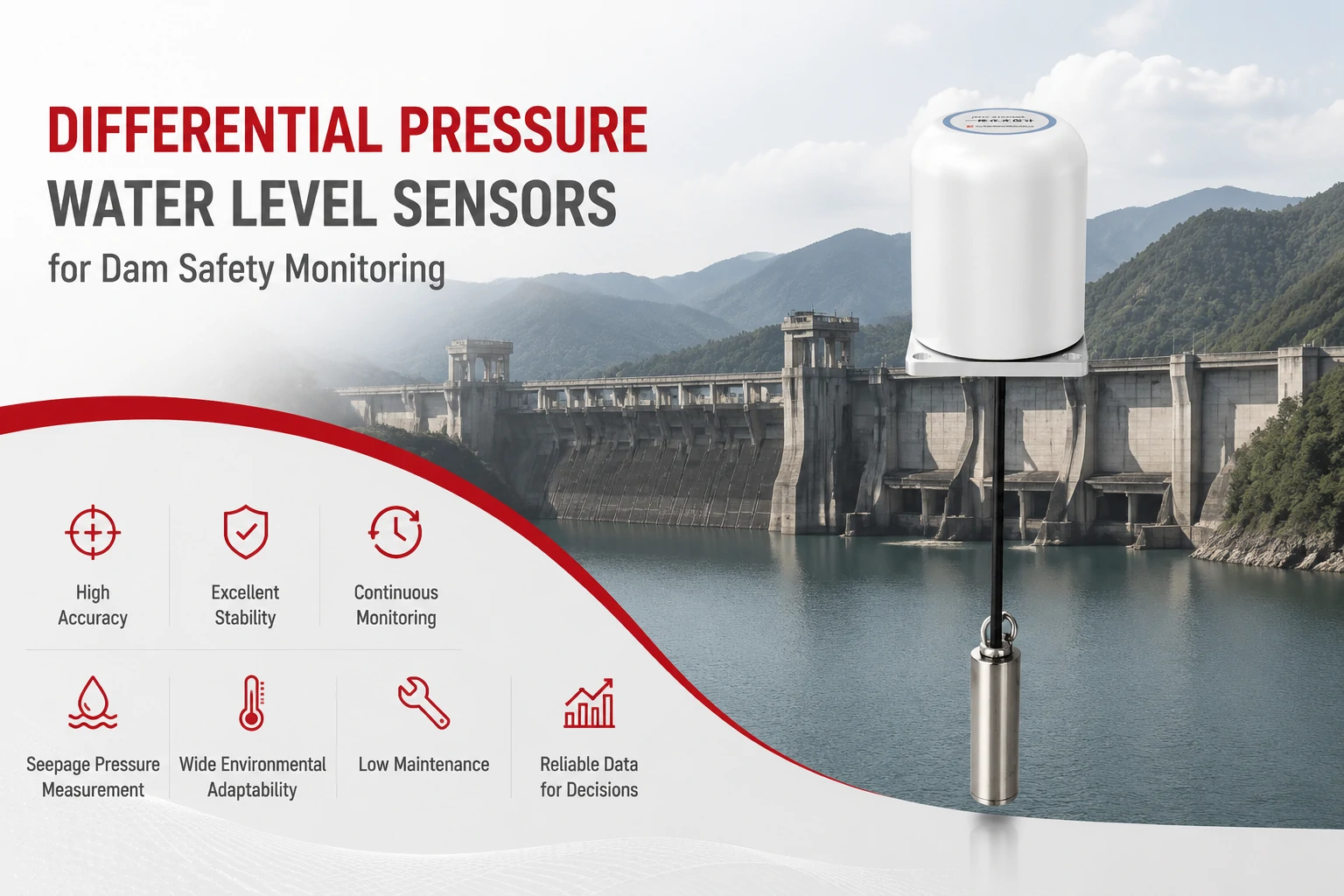
Key Takeaways The strongest fit is usually a confined, submerged, or s...
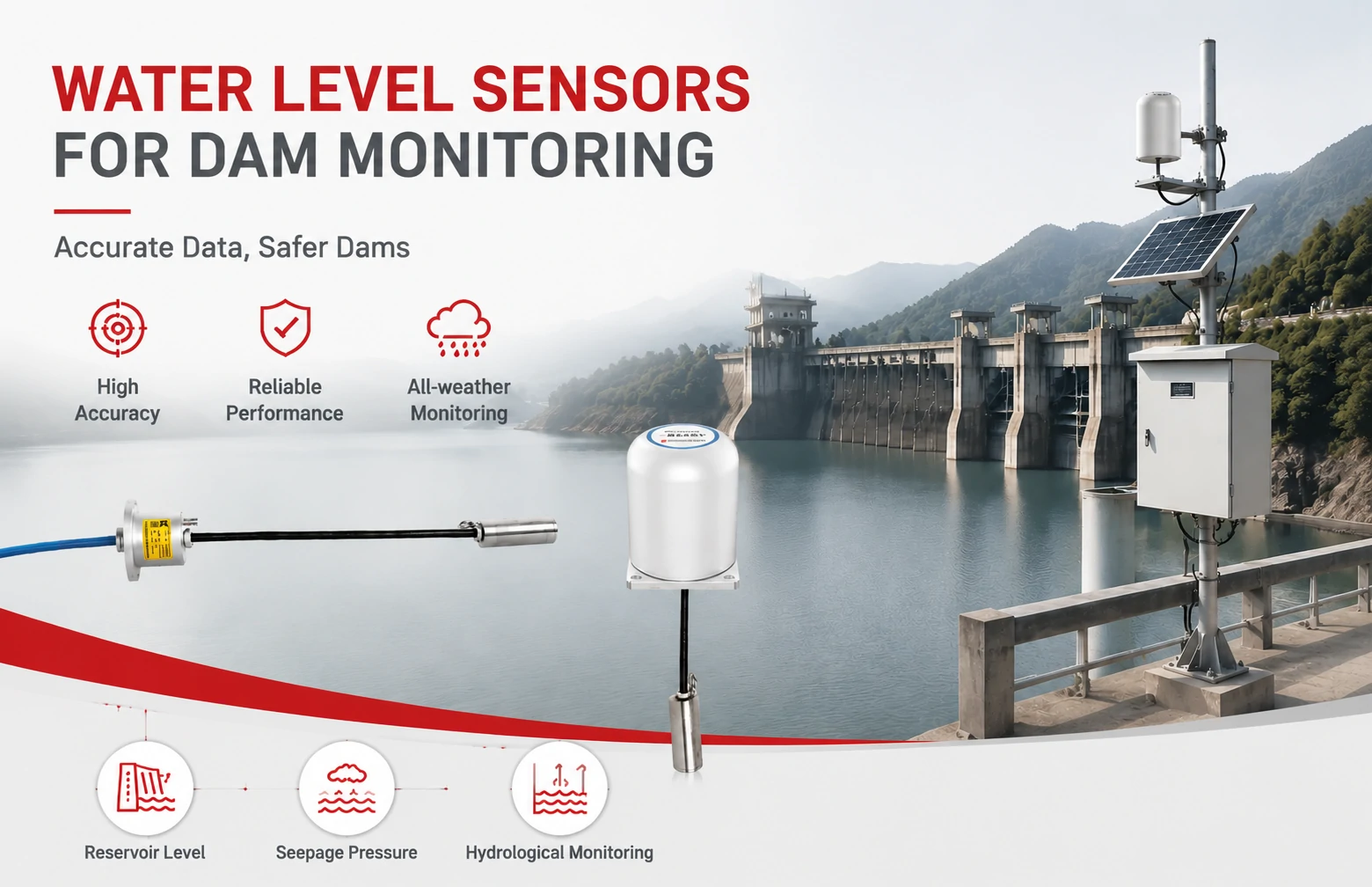
Kingmach Water Level Sensors for Dam Monitoring: A Buyer's Guide to Differential Pre...
Products
FAQ
ICP (IEPE) accelerometers have a built-in microelectronic amplifier that converts the high-impedance charge signal into a low-impedance voltage, letting you use ordinary coaxial cable over long distances without noise pickup. Charge-output sensors need an external charge amplifier and low-noise cable, but they can handle higher temperatures—up to 250°C or more—where built-in electronics would fail. For most geotechnical field monitoring, people choose IEPE because the cabling is easier to rig and troubleshoot.
Yes, the stainless-steel housing and welded construction keep moisture and dust out, and the epoxy-sealed connectors prevent water ingress. Many units have been left on dam abutments and tunnel walls for years without signal degradation.
Share your product type, target capacity, and application requirements. Our team can review the details and recommend a practical next step.
If you are interested in our products or want to become our partner.
Please leave your contact information, our team will contact you as soon as possible.
Mail: [email protected]
Contact Us: +8613808434127
Address: No. 188 Tongzipo West Rd, Changsha, Hunan, China