
 EN
EN
 ar
ar bg
bg hr
hr cs
cs da
da nl
nl fi
fi fr
fr de
de el
el hi
hi it
it ko
ko no
no pl
pl pt
pt ro
ro ru
ru es
es sv
sv tl
tl iw
iw id
id lv
lv lt
lt sr
sr sk
sk sl
sl uk
uk vi
vi et
et hu
hu th
th tr
tr fa
fa ms
ms hy
hy ka
ka ur
ur bn
bn mn
mn ta
ta kk
kk uz
uz ku
ku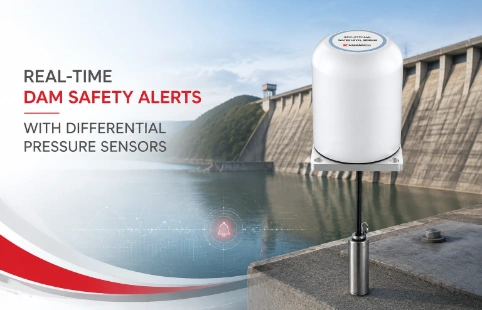
Real-Time Dam Safety Alerts with Differential Pressure Water Level Sensors
Key Takeaways An alert chain needs more than a sensor: define field in...

Draw Wire Displacement Transducers for Reliable Monitoring
Monitoring displacement in geotechnical projects often comes down to choosing a sensor that works under real field conditions. Draw wire transducers have become a practical choice for tracking movement in dams, slopes, tunnels, and structural elements. Kingmach, a manufacturer focused on geotechnical instrumentation, offers these transducers in a range of configurations to match different monitoring needs. The design handles long distances while maintaining consistent signal output, and customization options help when standard specs don’t quite fit. For engineers who need straightforward installation and dependable data from a sensor that doesn’t demand constant attention, this type of transducer can simplify long-term monitoring.
Technical Detail
Kingmach’s draw wire displacement transducers convert linear movement into an electrical signal using a spring-loaded cable and a rotary encoder or potentiometer. The construction is straightforward: a stainless steel cable extends and retracts with the object being measured, translating physical motion into measurable data. This makes them suitable for applications where space is limited or where non-contact methods aren’t practical. A key advantage is the broad range of measurement lengths. Kingmach supplies models covering from a few centimeters up to tens of meters, depending on the mechanism inside. The output can be configured as analog (like 4-20mA or 0-10V) or digital pulses, so integration with existing data loggers or PLC systems isn’t complicated. The housing meets basic waterproofing needs for outdoor use, and cable exit angles can be adjusted with pulleys in some designs. Customization is part of Kingmach’s approach. If a project requires a specific cable material for corrosion resistance, a different mounting bracket, or a high-resolution encoder for precise readings, those changes can be made during production. This flexibility often helps when standardized products don’t match the exact constraints of a field installation. For monitoring structures that move slowly over time—like retaining walls, bridge bearings, or rock fissures—the repeatability of the transducer matters. Kingmach’s units are built to provide consistent readings over thousands of cycles, which is important for long-term data collection. The combination of rugged components and adaptable specifications makes these transducers a sensible option for geotechnical and industrial monitoring jobs.
News
Key Takeaways An alert chain needs more than a sensor: define field in...
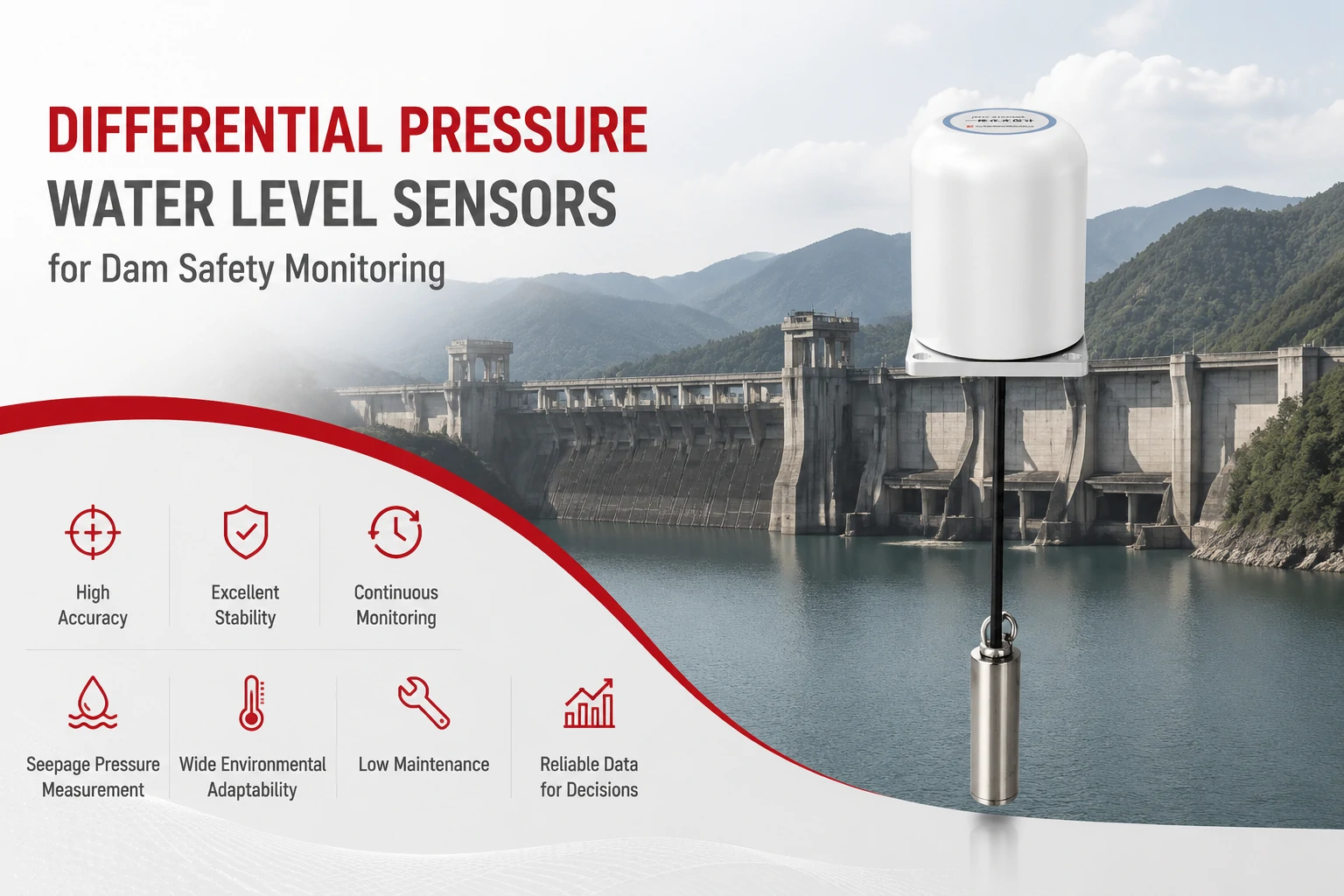
Key Takeaways The strongest fit is usually a confined, submerged, or s...
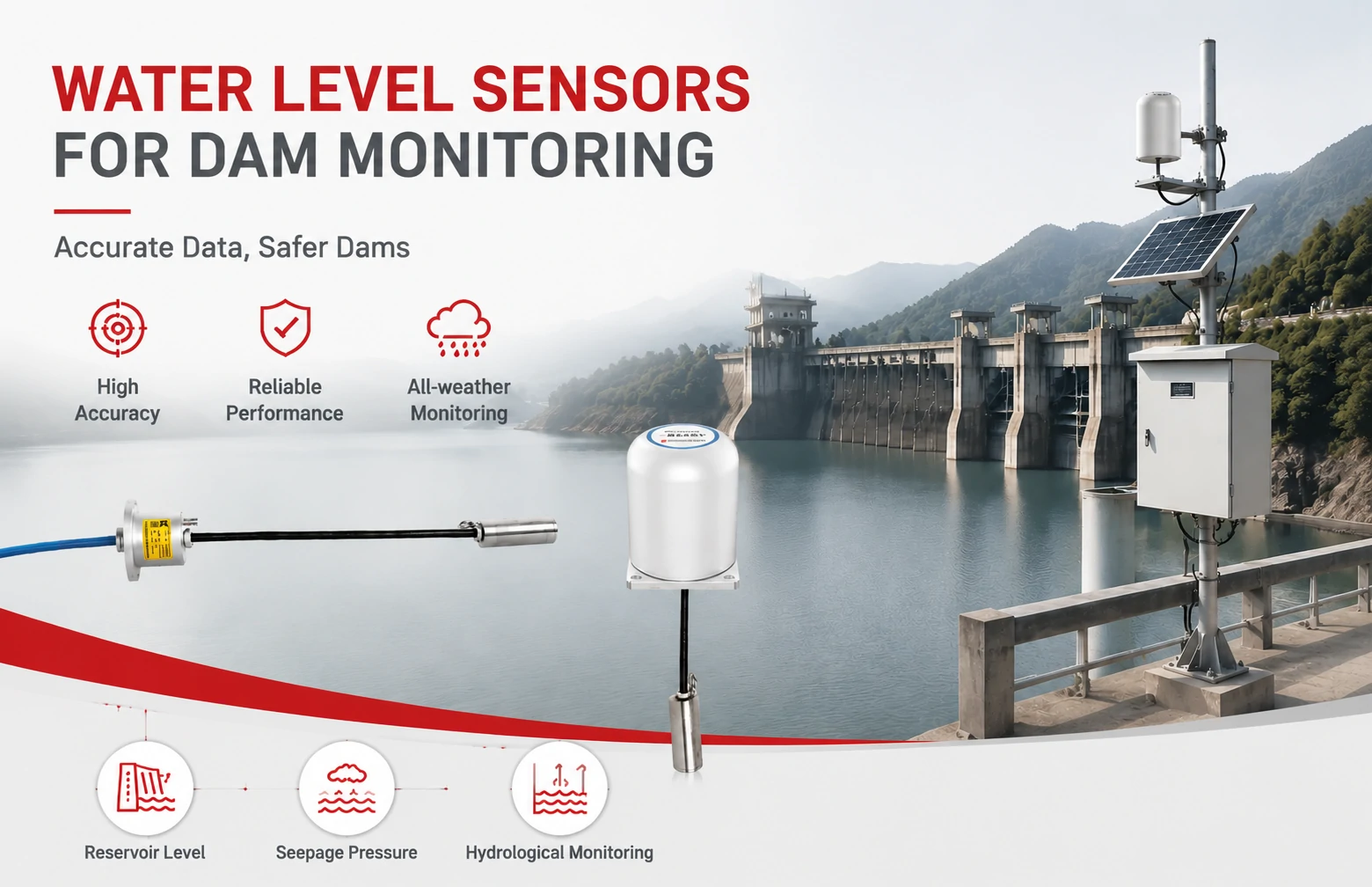
Kingmach Water Level Sensors for Dam Monitoring: A Buyer's Guide to Differential Pre...
Products
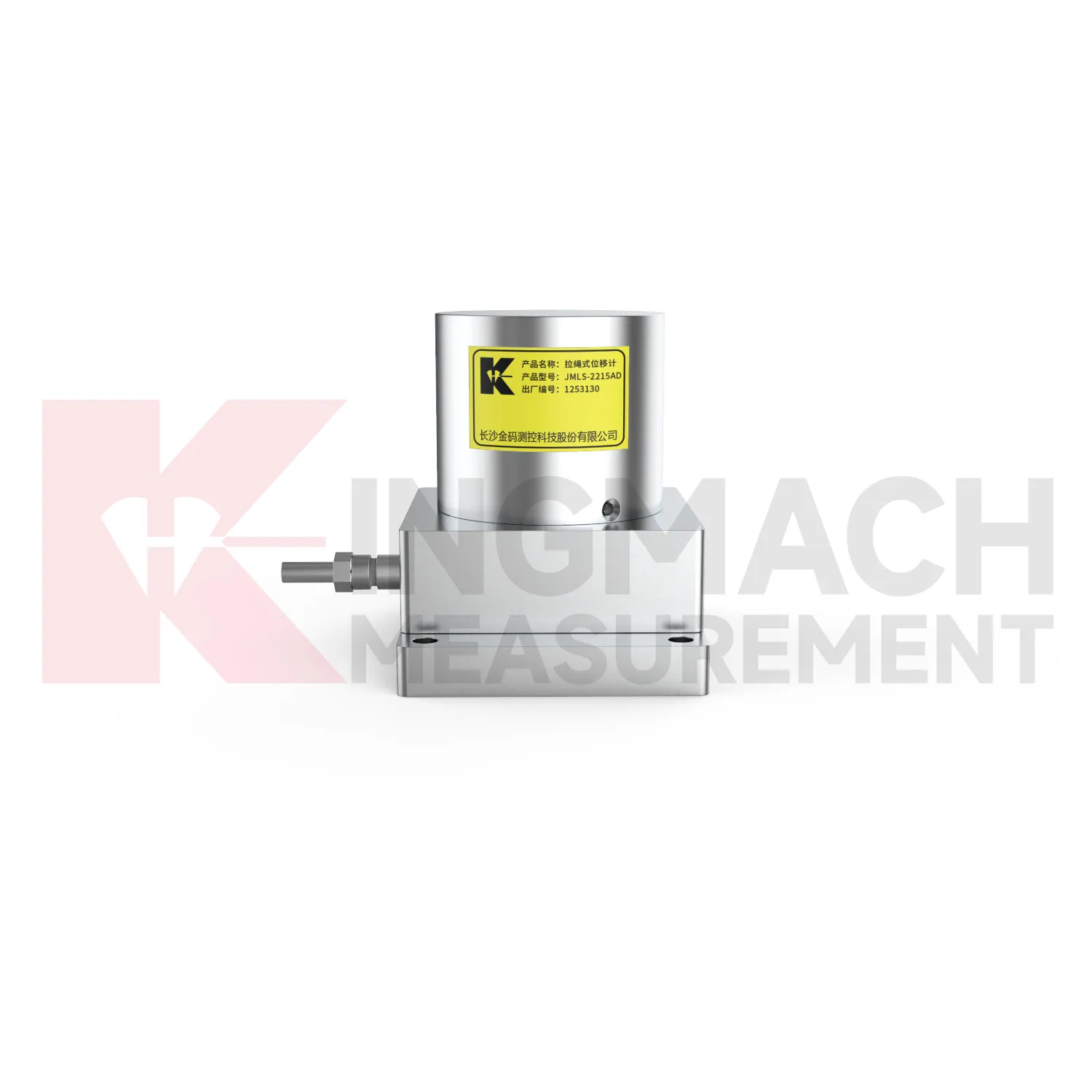
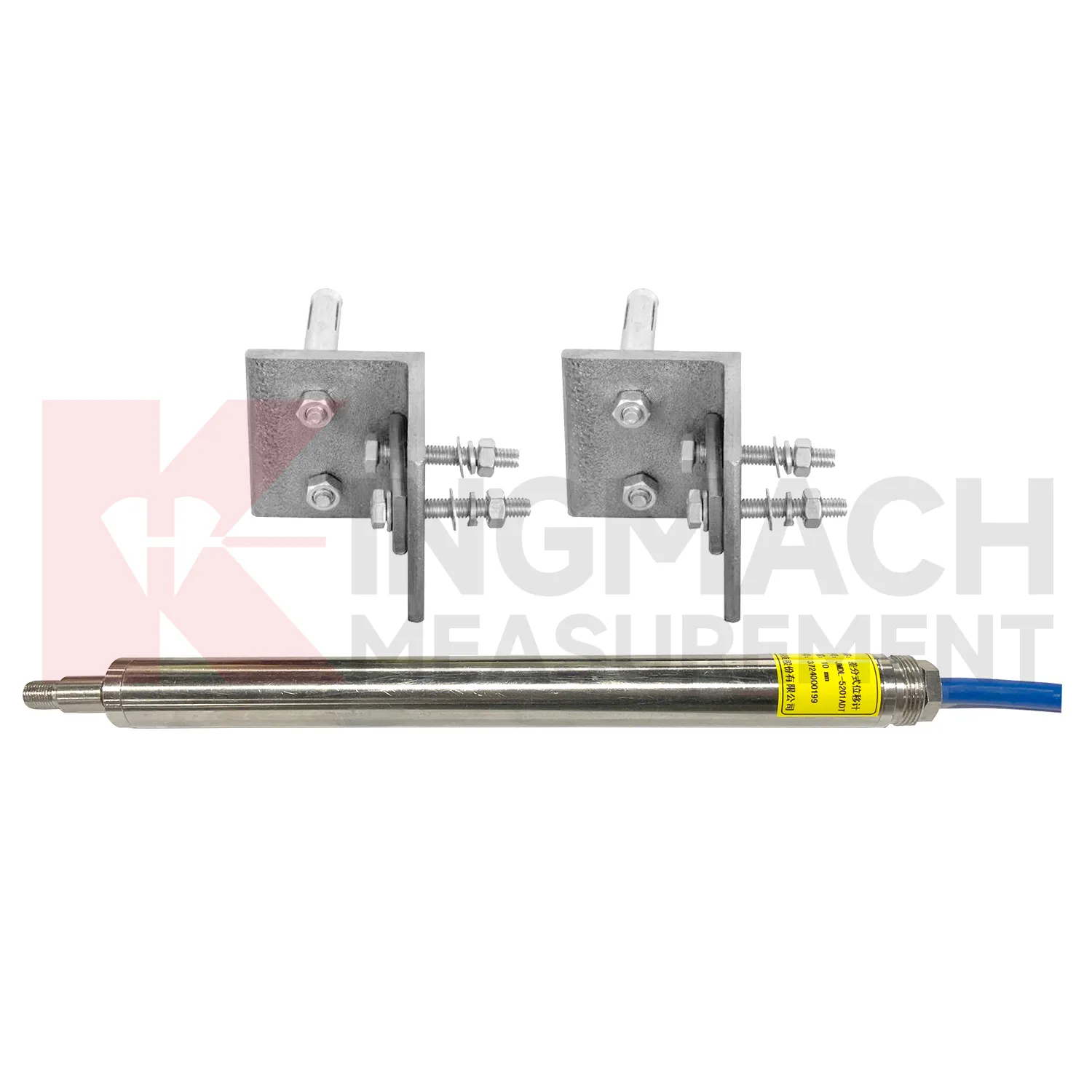
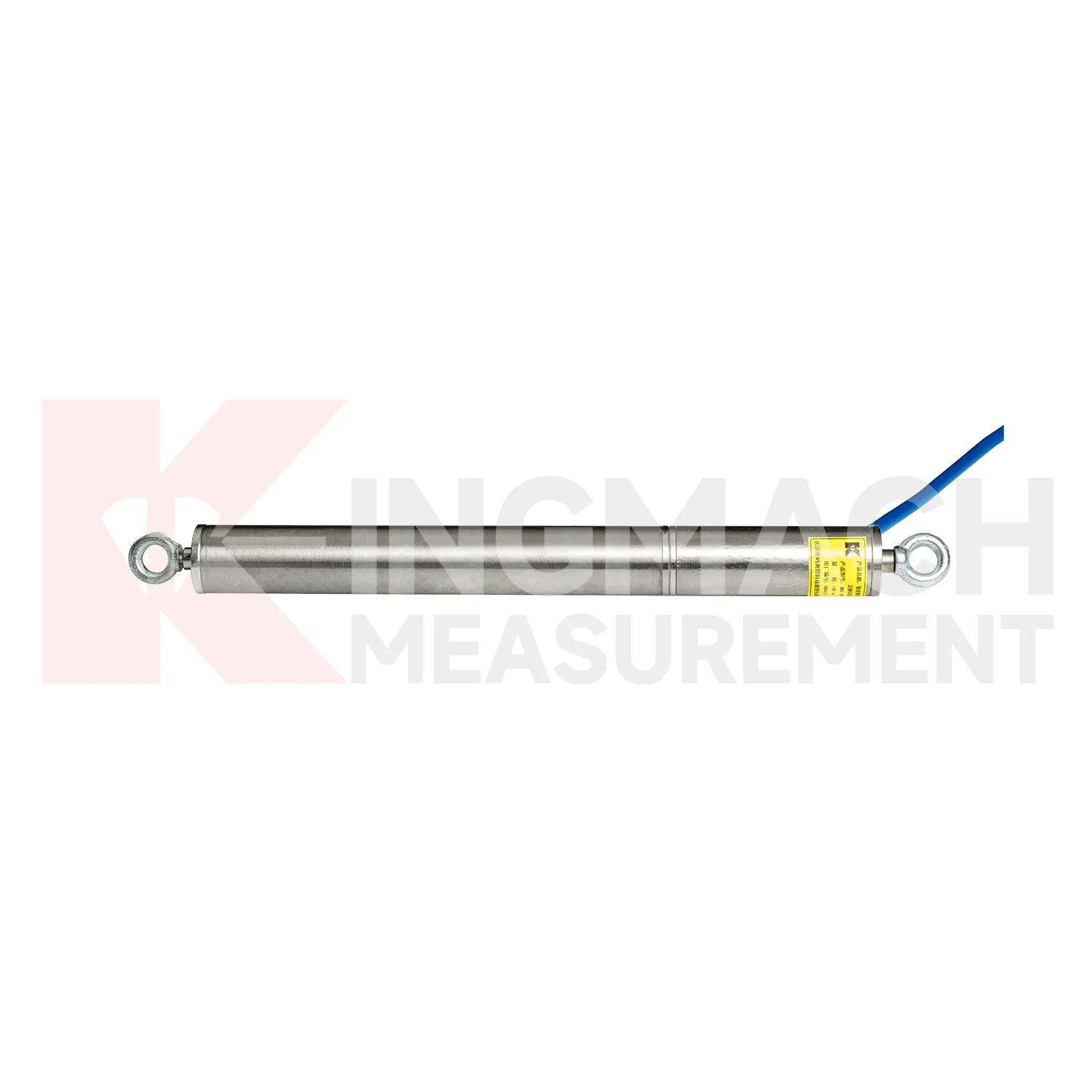
Smart Formwork Displacement Meter/ Steel Wire Displacement Meter JMDL-49XXAT
View DetailsFAQ
Standard models are available from about 50 mm to several meters, and custom versions can extend to tens of meters. The exact range depends on the internal drum size and cable length. It’s best to specify the required range early so the right mechanism and spring tension can be chosen.
Yes. Kingmach can supply transducers with analog outputs like 4-20mA or 0-10V, as well as incremental encoder outputs for digital readouts. If you need a different signal type, it’s worth discussing during ordering—signal conditioning can often be added.
The standard housing is sealed against dust and splashing water, typically to IP65 or similar. For prolonged exposure to rain, dust, or temperature swings, additional protection like a cover box or heavy-duty housing can be specified. The stainless steel cable also resists corrosion in normal outdoor conditions.
The cable usually has a clip or eyelet at the free end for attachment. The alignment of the cable with the direction of movement is important—for best accuracy, the cable should be in line with the motion. If the angle can’t be avoided, a pulley bracket can guide the cable and reduce side-loading errors.
They’re relatively low-maintenance. Periodic checks of the cable for kinks or dirt, and making sure the mounting is still secure, are usually enough. The mechanism is pre-lubricated and sealed, so it shouldn’t need frequent servicing unless it’s used in extremely dusty or salty conditions.
Share your product type, target capacity, and application requirements. Our team can review the details and recommend a practical next step.
Related Keywords
If you are interested in our products or want to become our partner.
Please leave your contact information, our team will contact you as soon as possible.
Mail: [email protected]
Contact Us: +8613808434127
Address: No. 188 Tongzipo West Rd, Changsha, Hunan, China