
 EN
EN
 ar
ar bg
bg hr
hr cs
cs da
da nl
nl fi
fi fr
fr de
de el
el hi
hi it
it ko
ko no
no pl
pl pt
pt ro
ro ru
ru es
es sv
sv tl
tl iw
iw id
id lv
lv lt
lt sr
sr sk
sk sl
sl uk
uk vi
vi et
et hu
hu th
th tr
tr fa
fa ms
ms hy
hy ka
ka ur
ur bn
bn mn
mn ta
ta kk
kk uz
uz ku
ku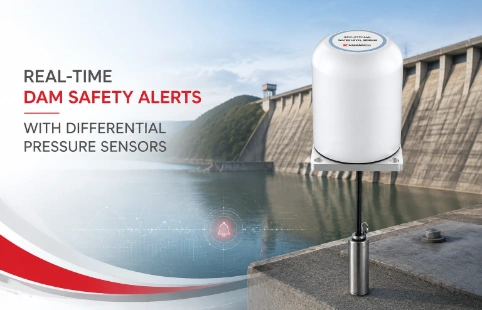
Real-Time Dam Safety Alerts with Differential Pressure Water Level Sensors
Key Takeaways An alert chain needs more than a sensor: define field in...

100g Load Cell Sensor – Compact Precision Weighing
Weighing tiny samples shouldn't mean guessing. Kingmach's 100g load cell sensor brings lab-grade accuracy to applications where every milligram counts. From pharmaceutical dispensing to delicate material testing, this sensor handles small-scale measurements without overcomplicating your setup. It's built for users who need repeatable results in limited space—think benchtop equipment, inline checkweighers, or portable test rigs. The 100g capacity hits a sweet spot: enough range for many precision tasks, yet sensitive enough to catch slight variations. And because it comes from a manufacturer focused on geotechnical and monitoring instruments, you get a sensor designed for long-term stability, not just a one-off measurement. Users often integrate these into automated processes where space is tight but accuracy can't be compromised. Kingmach's track record in monitoring technology means the sensor undergoes thorough calibration before shipping, so you can count on consistent numbers run after run.
Technical Detail
A 100g load cell sensor doesn't need to be bulky to be tough. Kingmach's design uses a robust yet compact form factor, with overload protection built into the element. It's common to see these installed in automated filling machines, where they confirm each dose before capping. When integrated into a tension or compression test jig, they give you direct readings without drift—important when you're testing dozens of samples a day. The output is typically ratiometric, meaning it plays nicely with standard signal conditioners and data loggers. If you're retrofitting older equipment, the sensor's mechanical dimensions are often compatible with popular miniature load cell footprints, so you won't need to redesign mounting brackets. Kingmach offers this sensor as part of a broader monitoring portfolio; if your project grows beyond 100g, their range extends to higher capacities without a jump in interface complexity. The strain gauge technology inside is temperature-compensated, helping maintain accuracy across typical lab or factory environments. You'll find these sensors in applications like micro-dispenser calibration, small-part counting scales, and medical device test benches. Because the 100g version emphasizes resolution, it's a sensible pick when your load never exceeds roughly 80% of capacity—keeping you in the linear, low-hysteresis band. Many users pair it with a digital amplifier to get direct RS485 or USB output, simplifying data logging and PLC integration. Kingmach also provides wiring diagrams and mounting guidelines, so first-time users aren't left guessing.
News
Key Takeaways An alert chain needs more than a sensor: define field in...
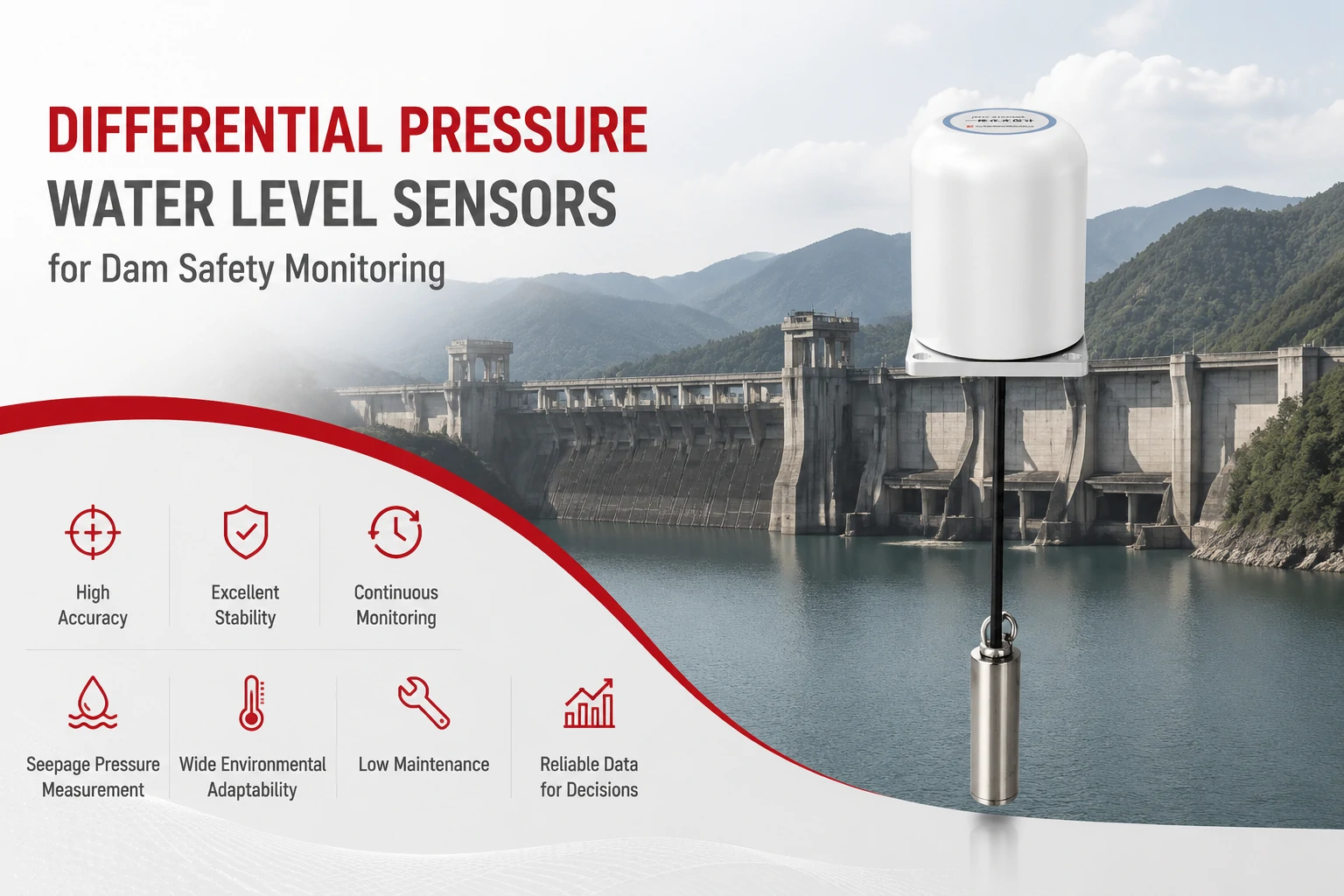
Key Takeaways The strongest fit is usually a confined, submerged, or s...
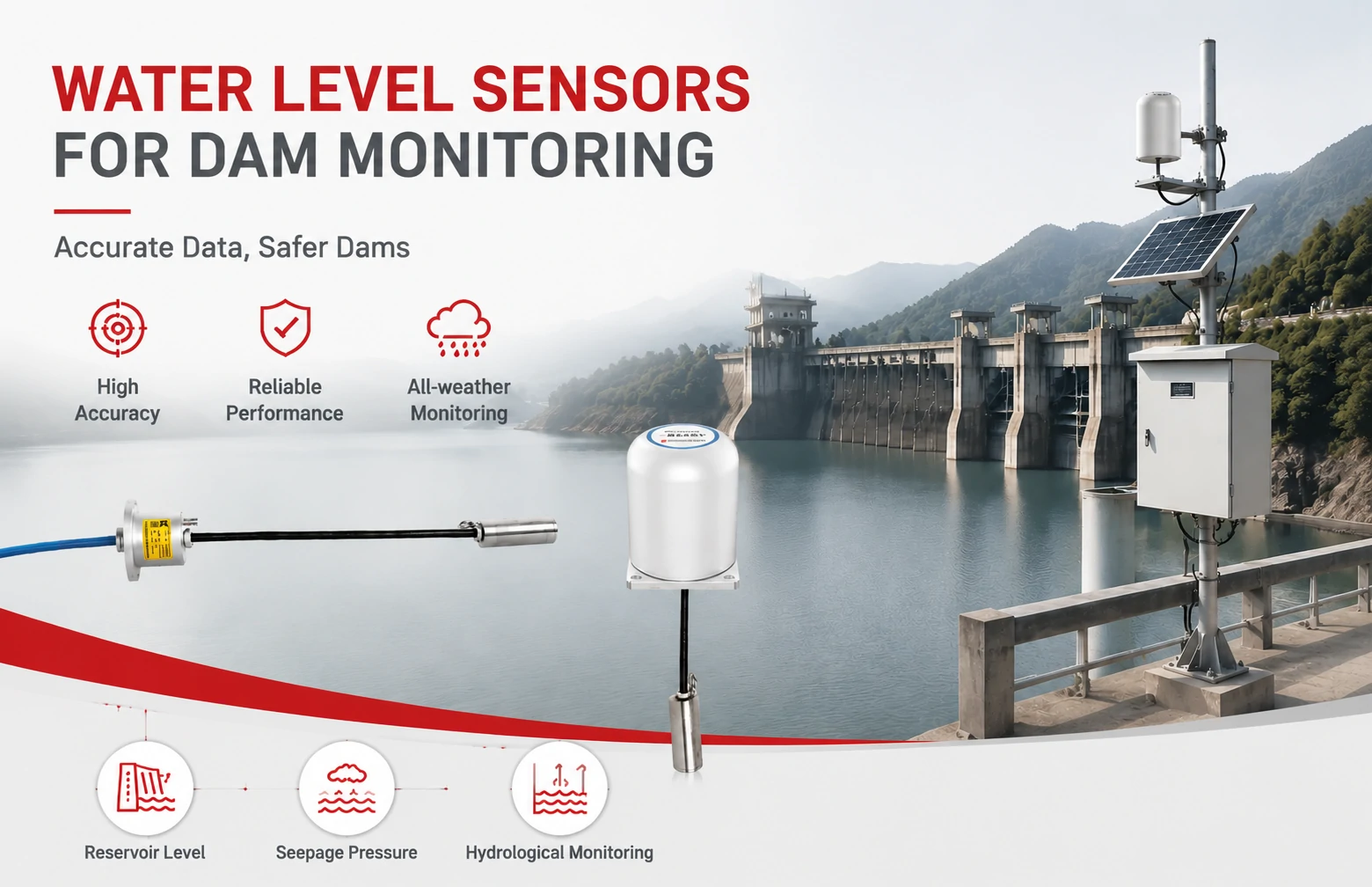
Kingmach Water Level Sensors for Dam Monitoring: A Buyer's Guide to Differential Pre...
Products
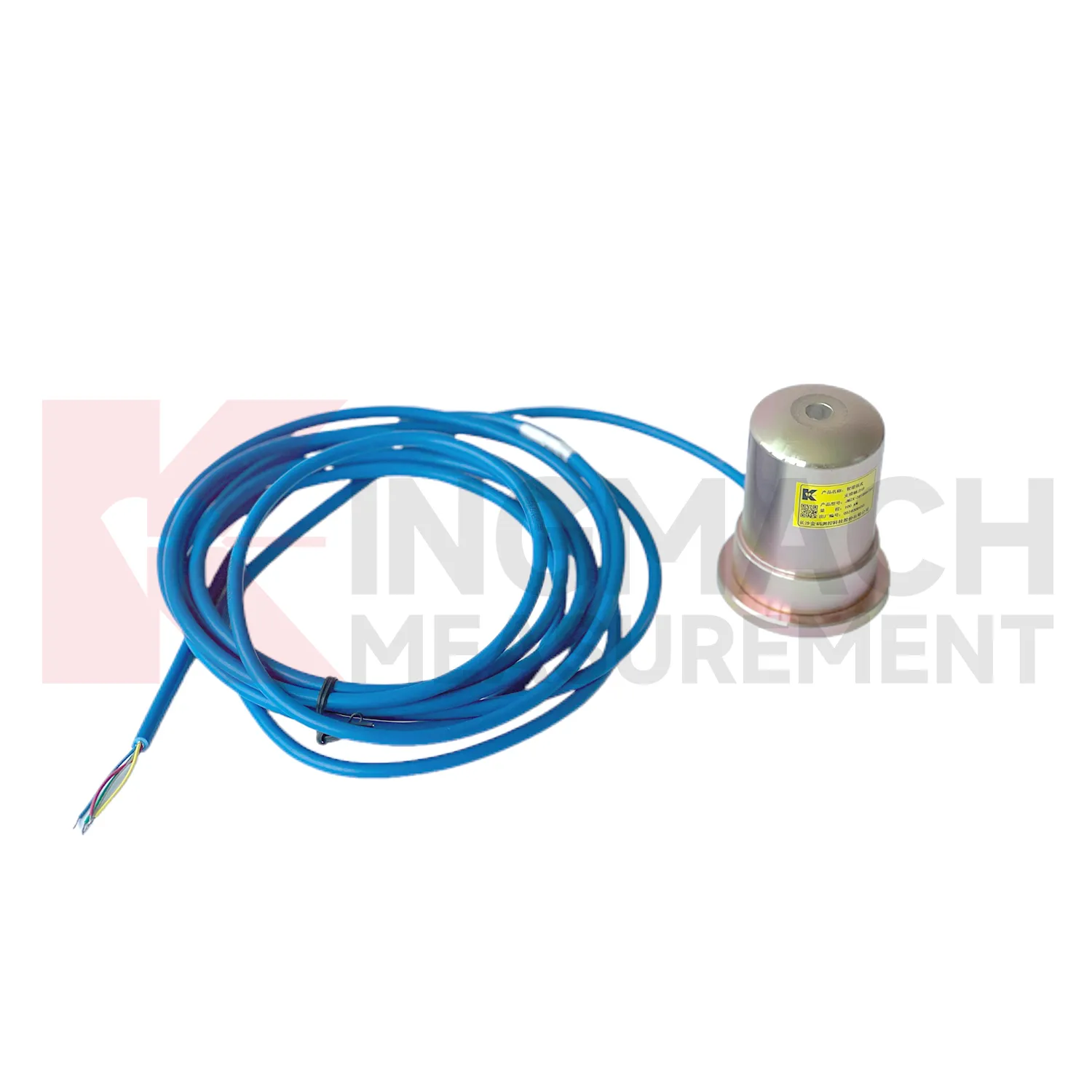
Smart Formwork Axial Force Meter(VW)JMZX-39XXHAT
View Details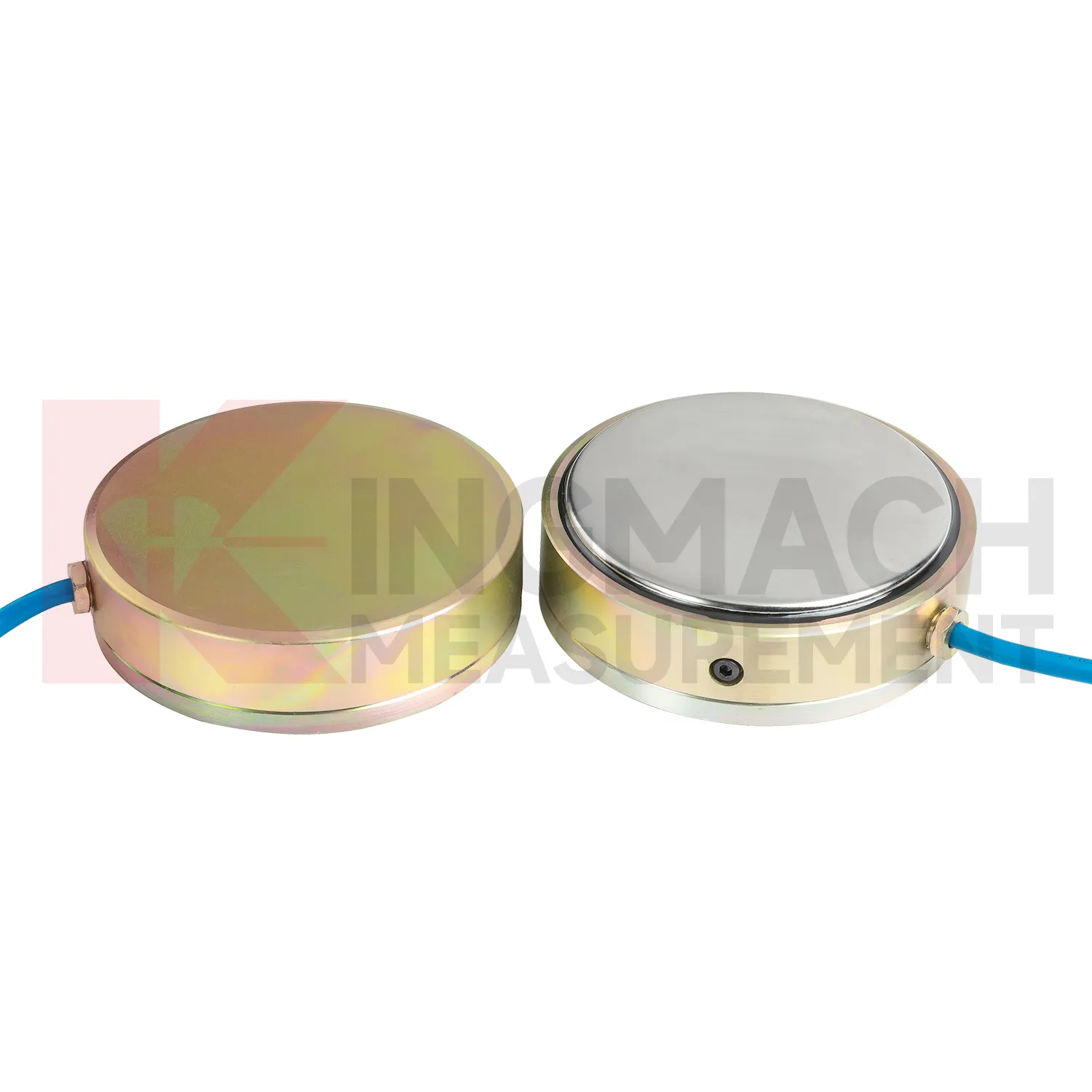
Large Earth Pressure Cell ( VW & Smart Type) JMZX-51XXAT/ ATM
View Details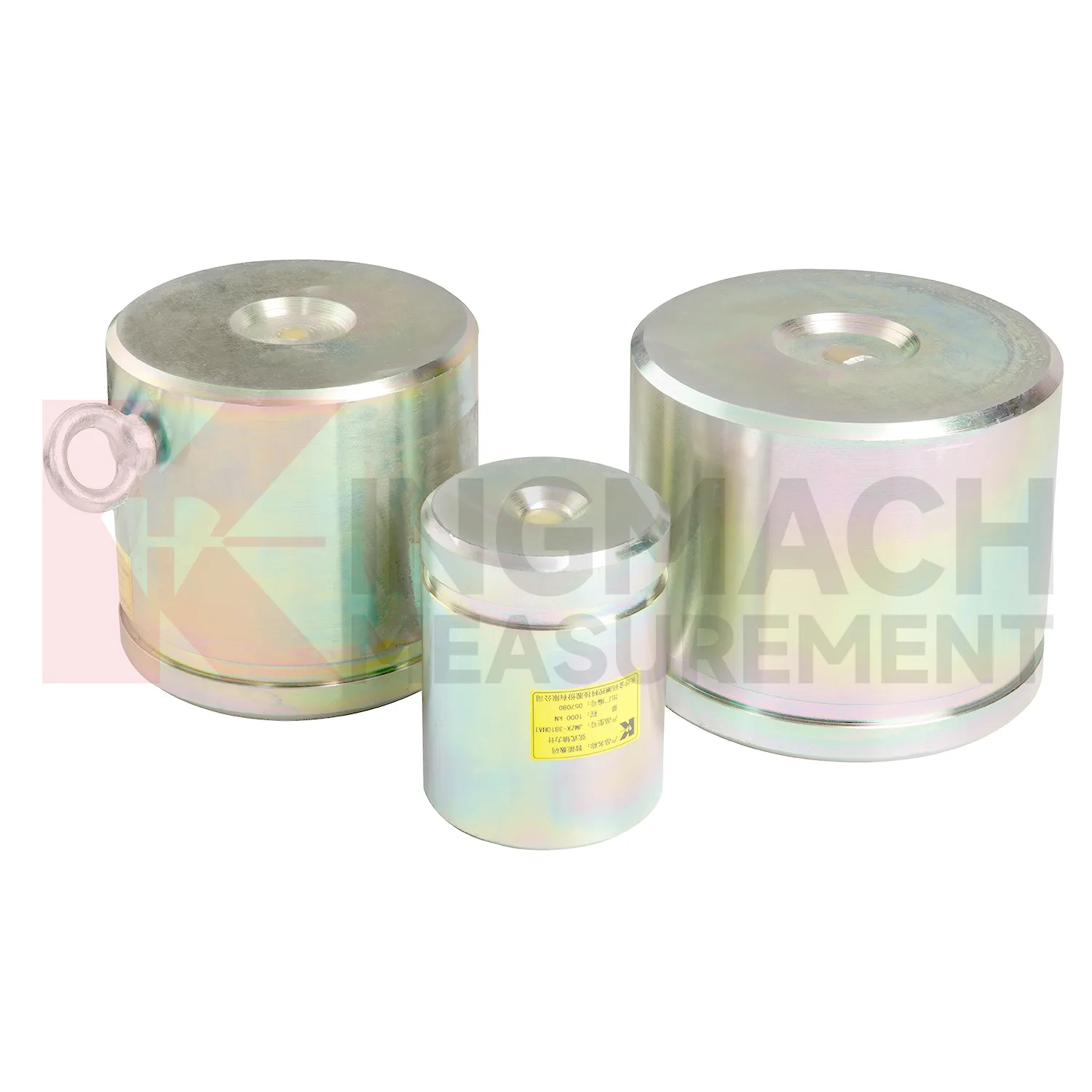
Axial Force Load Meter ( VW & Smart Type)JMZX-38XXHAT
View DetailsFAQ
Typical combined error (linearity + hysteresis) stays within 0.05% of full scale, but real-world results depend on how you condition the signal and mount the sensor. Kingmach's design minimizes creep, so readings settle quickly.
These load cells respond well to static and slowly changing loads. For rapid cyclic loading, you'd need to check the natural frequency—roughly a few hundred Hz for this class—and ensure your data acquisition samples fast enough.
Mechanical stops or a compliant mount can prevent damage. Kingmach's sensor often includes built-in overload protection, but for critical setups, add a pre-load bypass or software limits.
Resolution. A 100g sensor gives you 10 times more signal per gram, so it's easier to detect milligram changes. Choose it when your maximum load rarely exceeds 80–90g to stay in the linear zone.
Yes, you'll need an amplifier (like HX711 for Arduino) or a load cell transmitter for PLC. The output is millivolt-level, so direct connection won't work.
Share your product type, target capacity, and application requirements. Our team can review the details and recommend a practical next step.
If you are interested in our products or want to become our partner.
Please leave your contact information, our team will contact you as soon as possible.
Mail: [email protected]
Contact Us: +8613808434127
Address: No. 188 Tongzipo West Rd, Changsha, Hunan, China