
 EN
EN
 ar
ar bg
bg hr
hr cs
cs da
da nl
nl fi
fi fr
fr de
de el
el hi
hi it
it ko
ko no
no pl
pl pt
pt ro
ro ru
ru es
es sv
sv tl
tl iw
iw id
id lv
lv lt
lt sr
sr sk
sk sl
sl uk
uk vi
vi et
et hu
hu th
th tr
tr fa
fa ms
ms hy
hy ka
ka ur
ur bn
bn mn
mn ta
ta kk
kk uz
uz ku
ku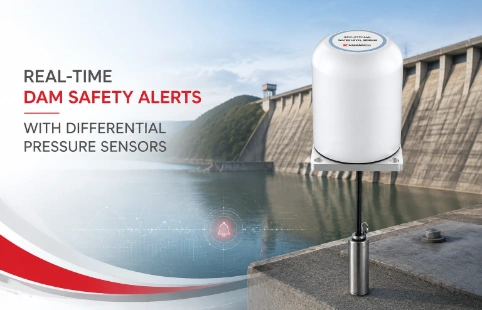
Real-Time Dam Safety Alerts with Differential Pressure Water Level Sensors
Key Takeaways An alert chain needs more than a sensor: define field in...

MEMS Vibration Sensors for Reliable Structural Monitoring
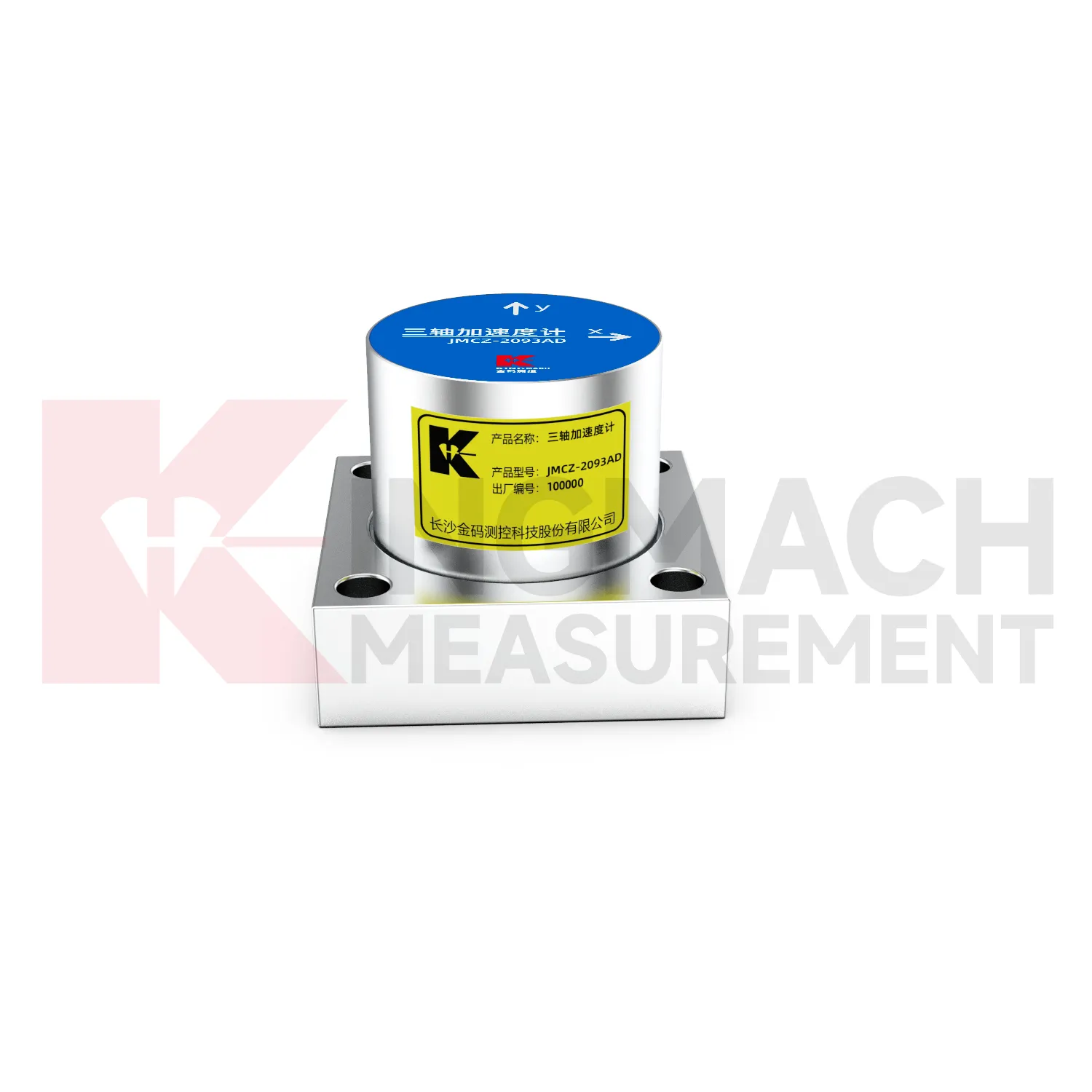
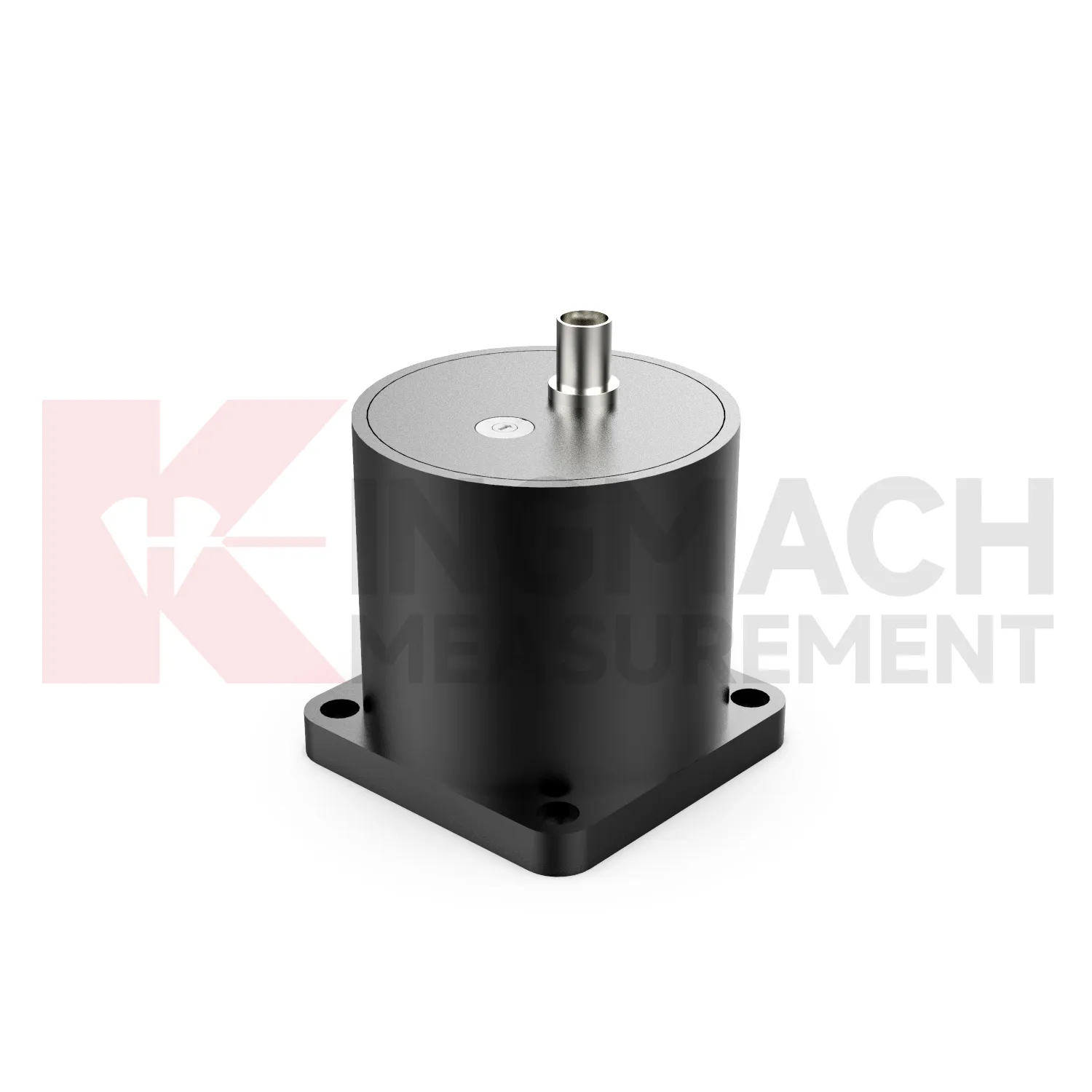
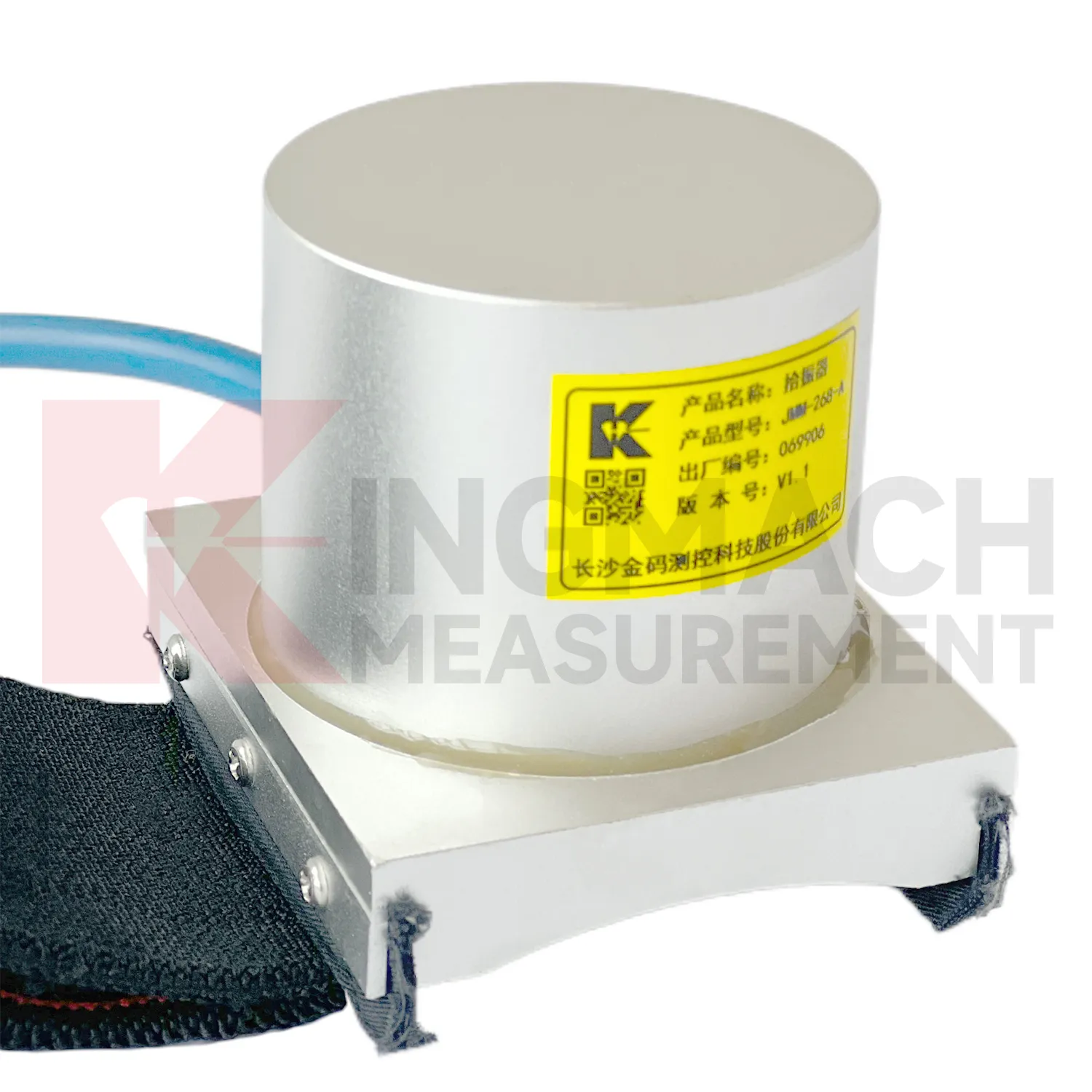
A few years ago, a project engineer we worked with had a problem. He needed to track micro-vibrations on a heritage bridge, but the site had no power and very little space. Traditional piezoelectric units were too bulky and power-hungry. That’s when he started looking into MEMS vibration sensors. At Kingmach, we’ve seen this shift firsthand. Our MEMS vibration sensors are designed for geotechnical and structural monitoring where DC response, low power draw, and a tiny footprint actually matter. Instead of talking about ‘cutting-edge technology,’ let’s look at where these sensors make a real difference: earthquake early warning, rotating machinery, or subsidence monitoring in mining areas. We offer a wide range of geotechnical instruments and can customize units for specific project needs. With a global distribution network and local technical support, we help engineers get reliable data without overcomplicating the setup.
Technical Detail
MEMS vibration sensors work by detecting acceleration using tiny silicon micro-machined structures. The basic principle isn’t new, but the way Kingmach packages it for field use makes a difference. Our sensors typically offer DC to a few kHz frequency response, making them suitable for low-frequency events like building sway as well as higher-frequency machinery vibration. One often overlooked advantage is the digital output (I²C or SPI), which cuts down signal wiring and noise pickup. In practice, this means a single twisted pair can connect multiple sensors back to a data logger, saving on cable cost and installation time. We see these sensors deployed in remote landslide monitoring stations, where every watt-hour counts. The low current draw (often below 10 mA) means a small solar panel and battery can run a station indefinitely. Kingmach supplies these sensors as part of a larger monitoring system or stand-alone units with IP65 enclosures. Custom cable lengths, mounting brackets, and even firmware tweaks are available—not because we want to upsell, but because no two projects are exactly alike. For engineers who just need to grab data, we also offer basic RS485 output models that talk directly to PLCs. If you’re comparing options, pay attention to the noise density spec; lower is better for picking up faint signals. Our team can walk you through the trade-offs without sugarcoating.
News
Key Takeaways An alert chain needs more than a sensor: define field in...
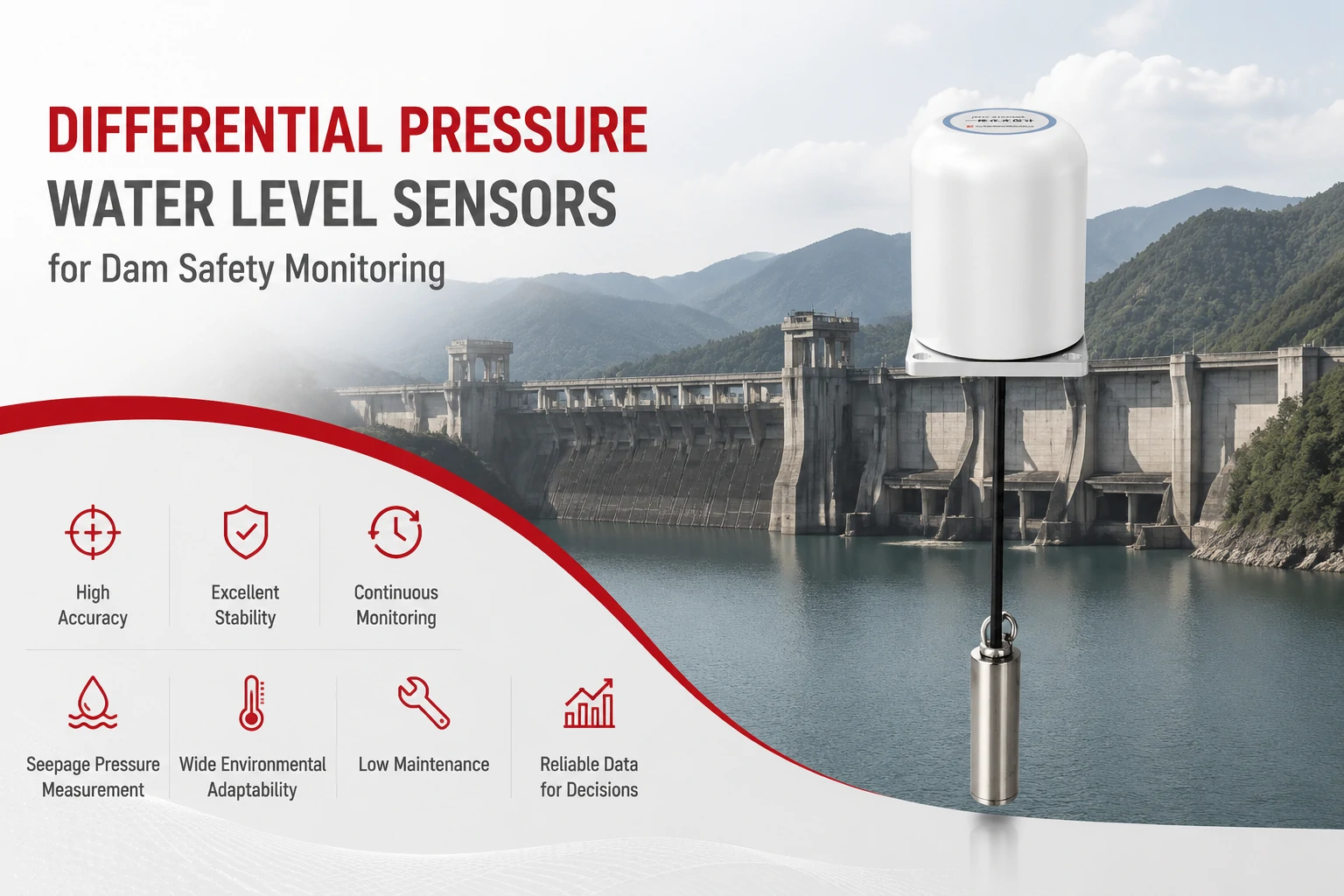
Key Takeaways The strongest fit is usually a confined, submerged, or s...
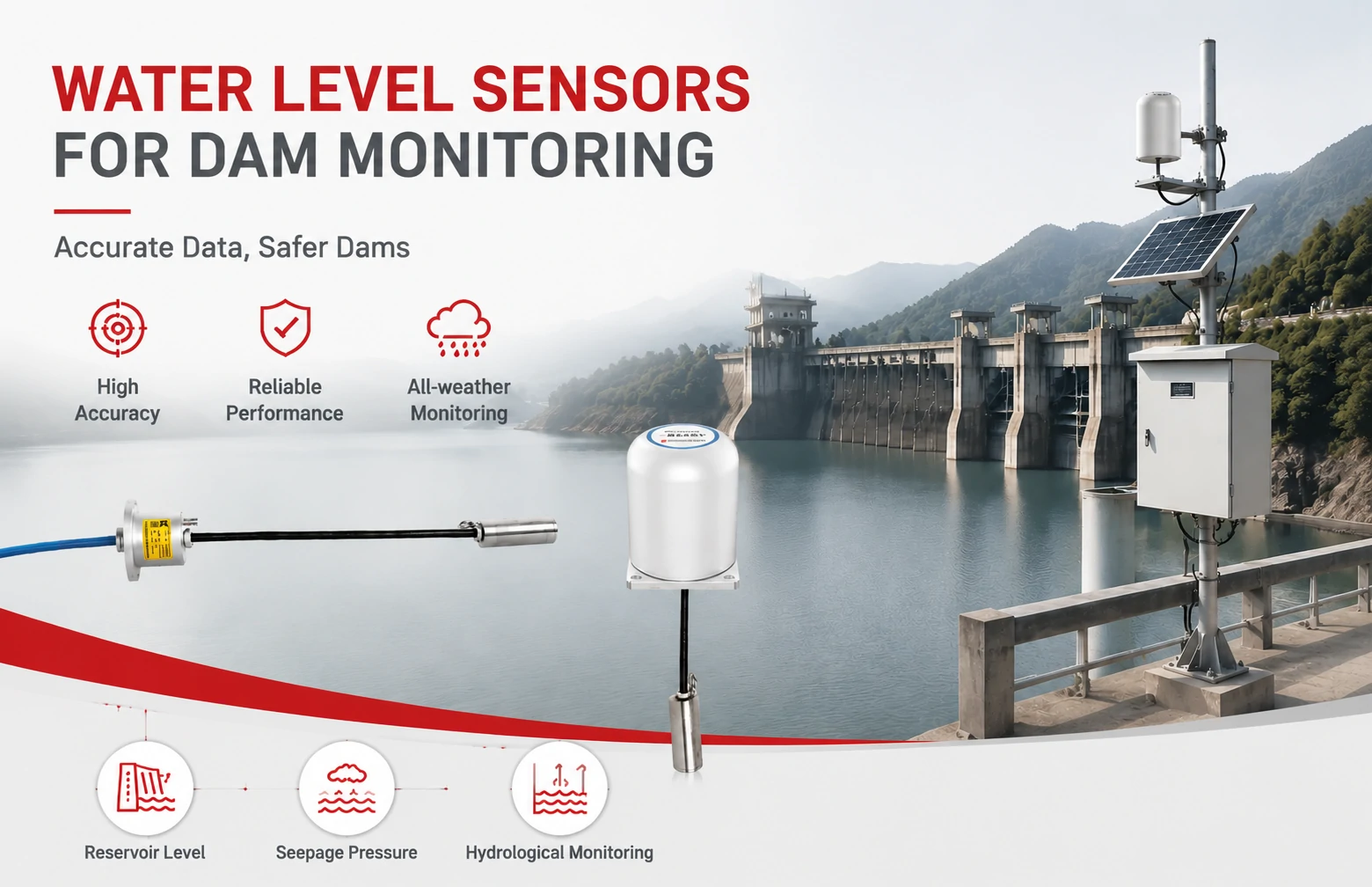
Kingmach Water Level Sensors for Dam Monitoring: A Buyer's Guide to Differential Pre...
Products
FAQ
Most MEMS vibration sensors used for structural monitoring cover ±2g to ±16g. At Kingmach, we can customize the range if your project involves sudden impacts or very faint tremors. It’s always best to share your expected vibration levels so we can match the right unit.
In some cases, yes. MEMS sensors have a broader frequency response and DC capability, which geophones lack. For seismic surveys where very low noise at specific frequencies is critical, geophones still have an edge. We often help clients decide by running a quick feasibility check.
Most Kingmach MEMS sensors output digital data via RS485 or CAN bus, which connects easily to common loggers. We provide Modbus RTU protocol documentation. If you’re working with an older analog system, we can also supply a 4–20 mA converter module.
MEMS vibration sensors have no moving parts, so routine maintenance is minimal. We recommend an annual check of the mounting and a zero-point calibration if used for long-term monitoring. The sensor itself is sealed and doesn’t drift significantly over time.
Yes, our standard enclosure is IP65 rated, and we can add a sun shield or protective conduit for extreme conditions. We’ve seen them work reliably in temperatures from -20°C to 70°C, but let us know your environment so we can confirm compatibility.
Share your product type, target capacity, and application requirements. Our team can review the details and recommend a practical next step.
Related Keywords
If you are interested in our products or want to become our partner.
Please leave your contact information, our team will contact you as soon as possible.
Mail: [email protected]
Contact Us: +8613808434127
Address: No. 188 Tongzipo West Rd, Changsha, Hunan, China