
 EN
EN
 ar
ar bg
bg hr
hr cs
cs da
da nl
nl fi
fi fr
fr de
de el
el hi
hi it
it ko
ko no
no pl
pl pt
pt ro
ro ru
ru es
es sv
sv tl
tl iw
iw id
id lv
lv lt
lt sr
sr sk
sk sl
sl uk
uk vi
vi et
et hu
hu th
th tr
tr fa
fa ms
ms hy
hy ka
ka ur
ur bn
bn mn
mn ta
ta kk
kk uz
uz ku
ku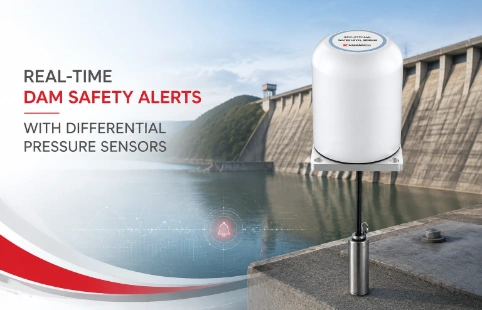
Real-Time Dam Safety Alerts with Differential Pressure Water Level Sensors
Key Takeaways An alert chain needs more than a sensor: define field in...

Soft Strain Sensors: Flexible Precision for Geotechnical Projects
Tracking strain in geotechnical work often means dealing with surfaces that move and settle unpredictably. Traditional rigid gauges can miss behavior at soil-concrete interfaces or on cables under tension. Soft strain sensors bring a different approach, using substrates that stretch and conform to irregular profiles. Kingmach, a manufacturer focused on geotechnical instruments, supplies these sensors as part of a wide monitoring portfolio. Their designs suit applications where flexibility is as important as measurement granularity—think of a sensor bent around a rock bolt or embedded into a geotextile. The data tells you what is actually happening across a joint or a crack, not just at a single point. With customization available for dimensions and cable exits, and a support network that spans multiple regions, the sensors fit into both small-scale research setups and large infrastructure projects. The idea is to get reliable readings without forcing the instrumentation to dictate the installation geometry.
Technical Detail
Kingmach produces soft strain sensors aimed at geotechnical and structural health monitoring. The sensing element is integrated on a flexible polymer base, allowing it to handle elongation of several percent without debonding—a common issue with rigid foil gauges. Typical output is conditioned via a Wheatstone bridge or integrated signal converter, making it straightforward to connect to common data loggers. The sensors can be supplied in varied active lengths and resistance options to match the expected strain range. Contact areas are designed for strong adhesion to concrete, steel, or polymer surfaces, and the low-profile package minimizes influence on the host structure. In practice, these sensors are used on tunnel linings where curvature is tight, on geomembranes for landfill monitoring, and on piles to capture axial strain distribution. Kingmach’s in-house calibration covers multiple temperature compensation curves, and the build process can incorporate shielding against electromagnetic interference for sites with heavy machinery. Because geometries vary by project, non-standard shapes and multiple sensing arrays on a single substrate are feasible upon request. The typical signal stability over extended periods makes them suitable for long-term monitoring with minimal drift. Detailed datasheets with strain-resistance curves and thermal coefficients are available through technical support. Kingmach also stocks accessories like application-specific adhesives, protective coatings for buried environments, and junction boxes that simplify field wiring.
News
Key Takeaways An alert chain needs more than a sensor: define field in...
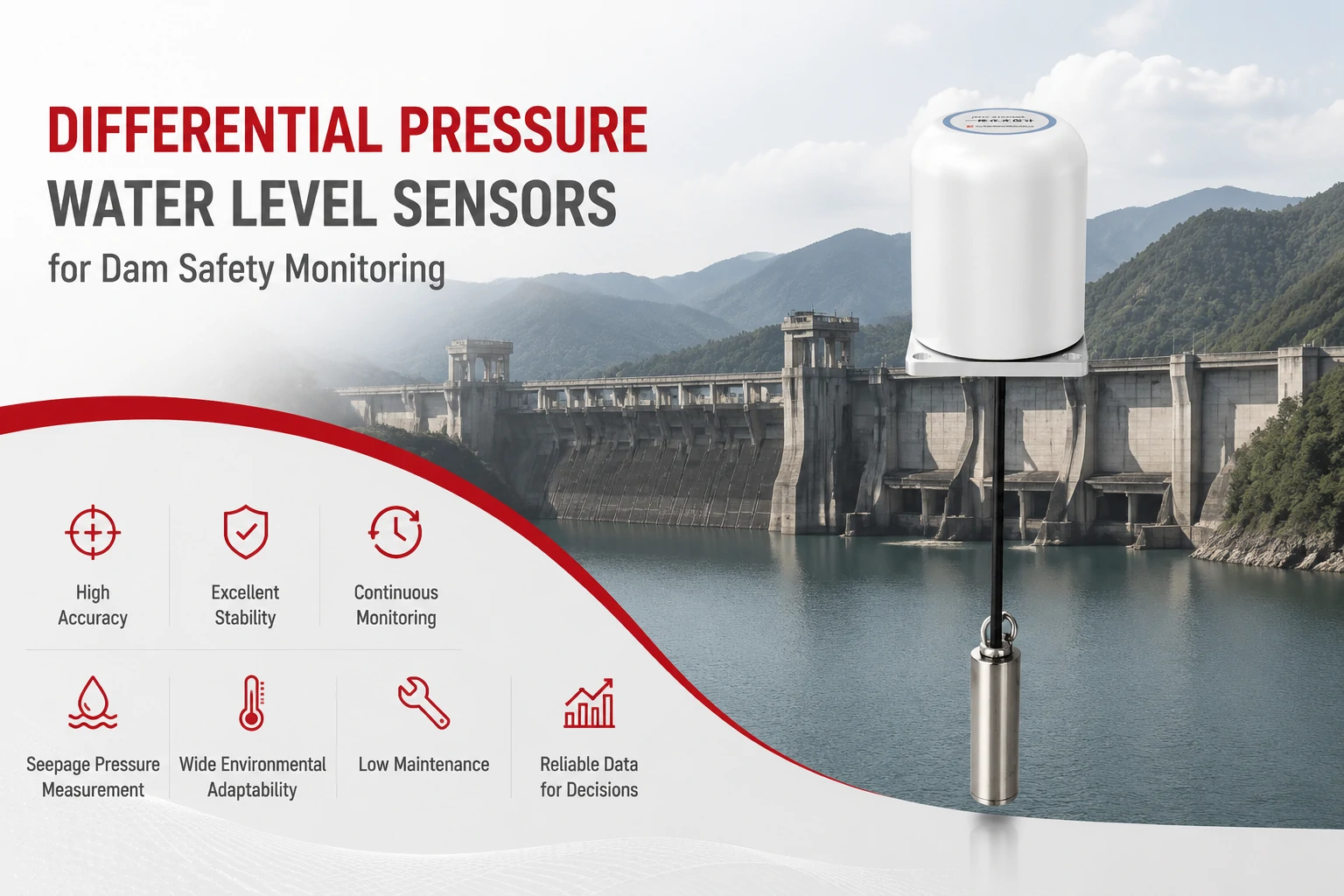
Key Takeaways The strongest fit is usually a confined, submerged, or s...
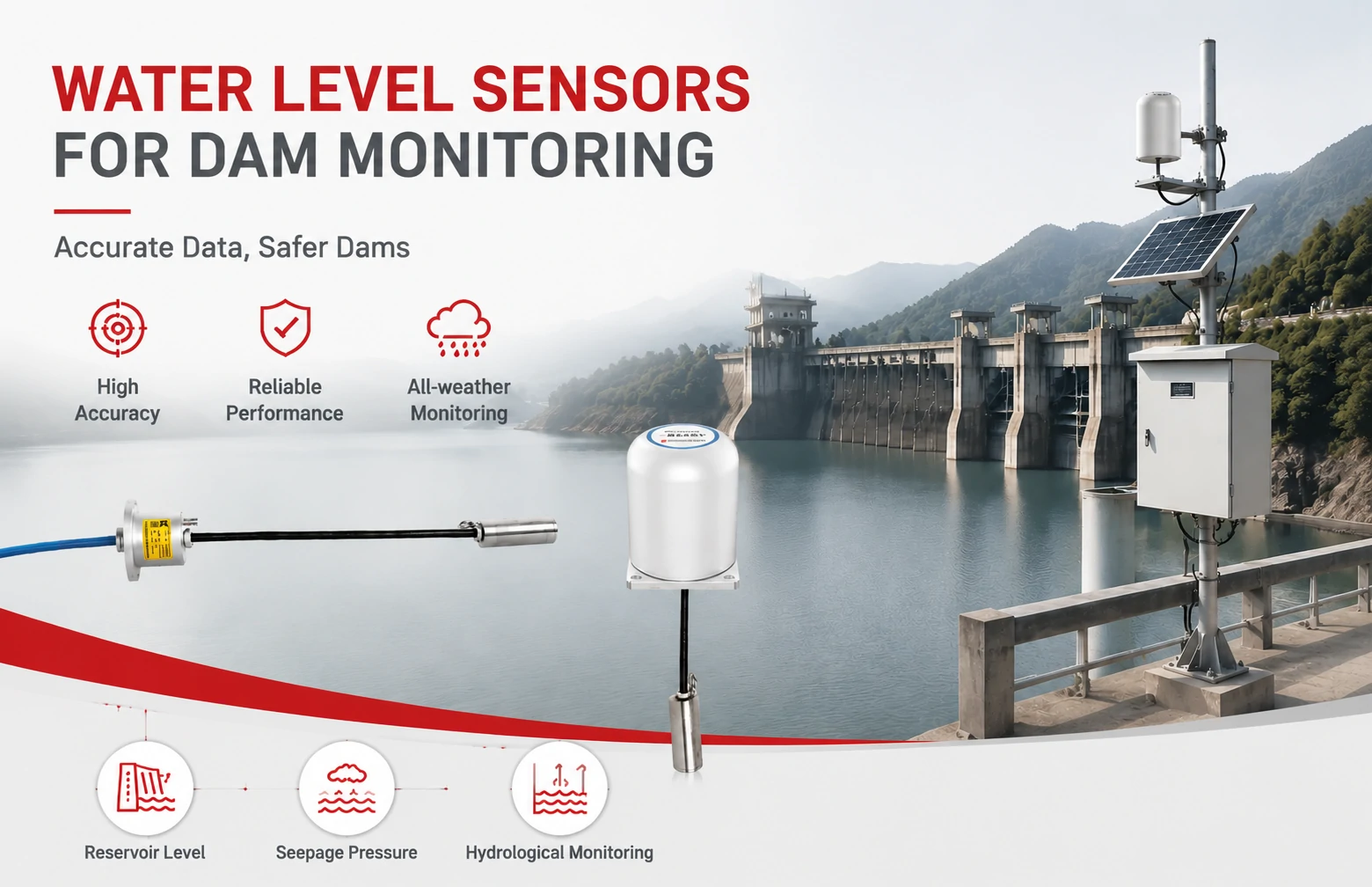
Kingmach Water Level Sensors for Dam Monitoring: A Buyer's Guide to Differential Pre...
Products
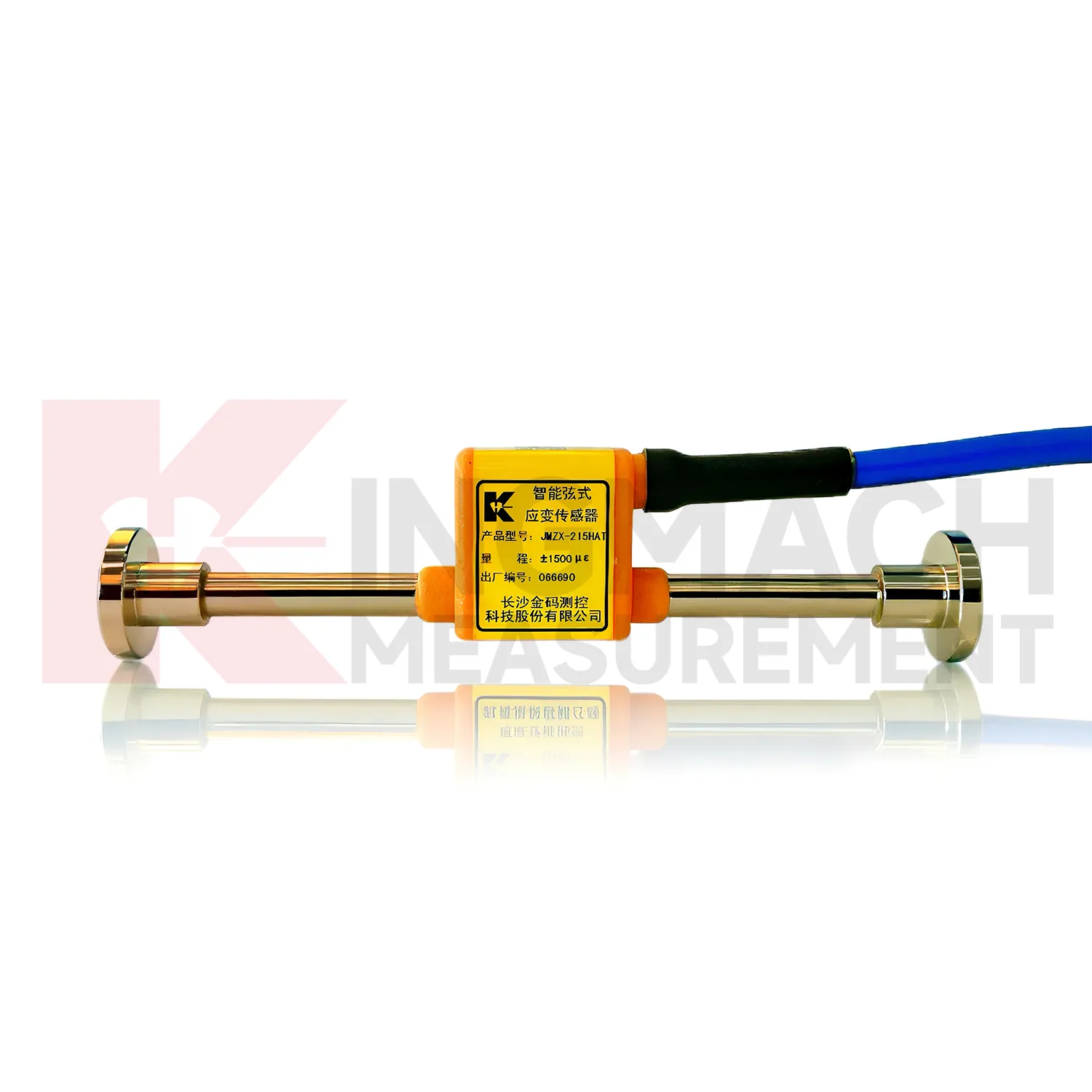
Smart vibrating wire strain gauge (embedment model) JMZX-215HA/215HAT/HB
View Details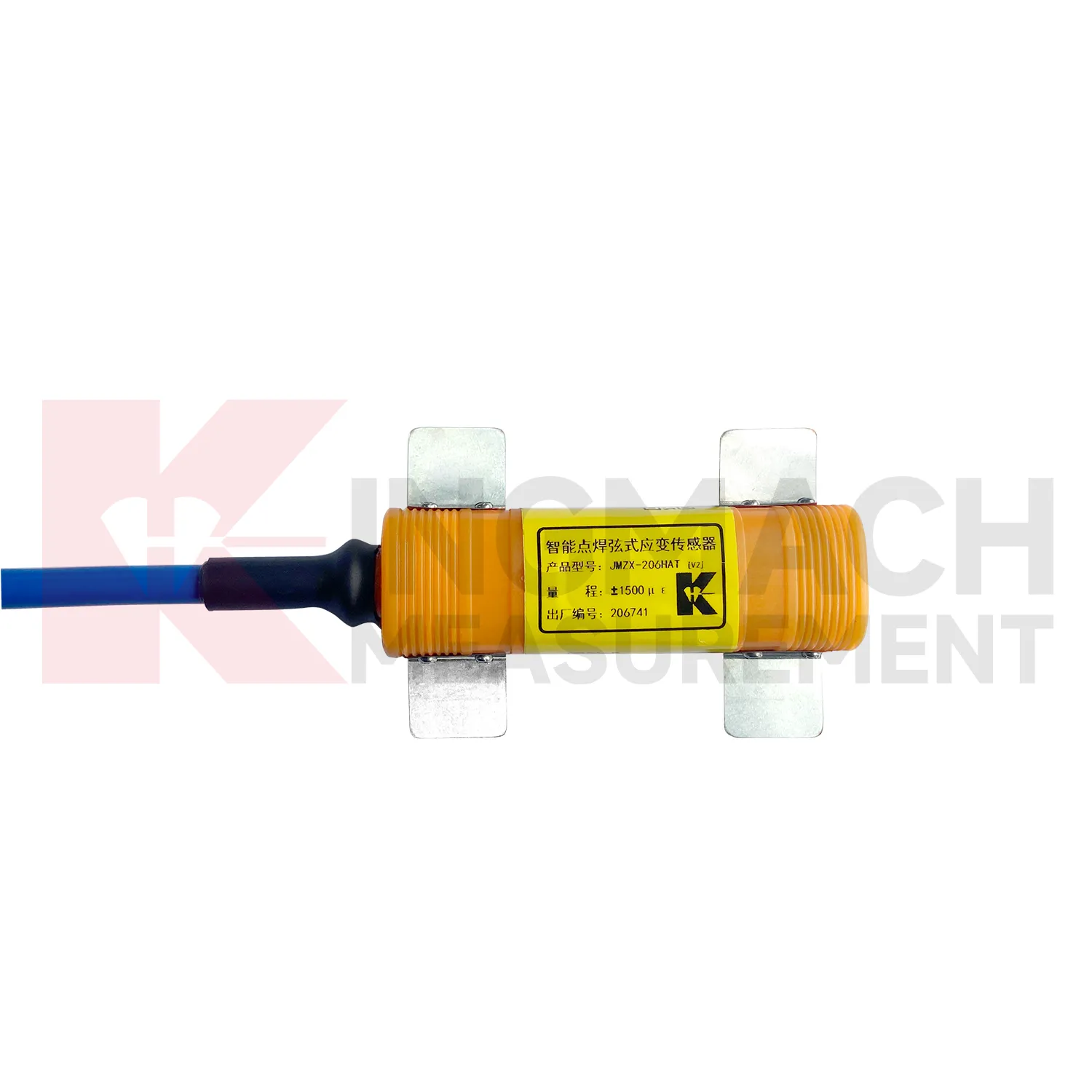
Smart vibrating wire strain gauge (surface welded model) JMZX-206HAT
View Details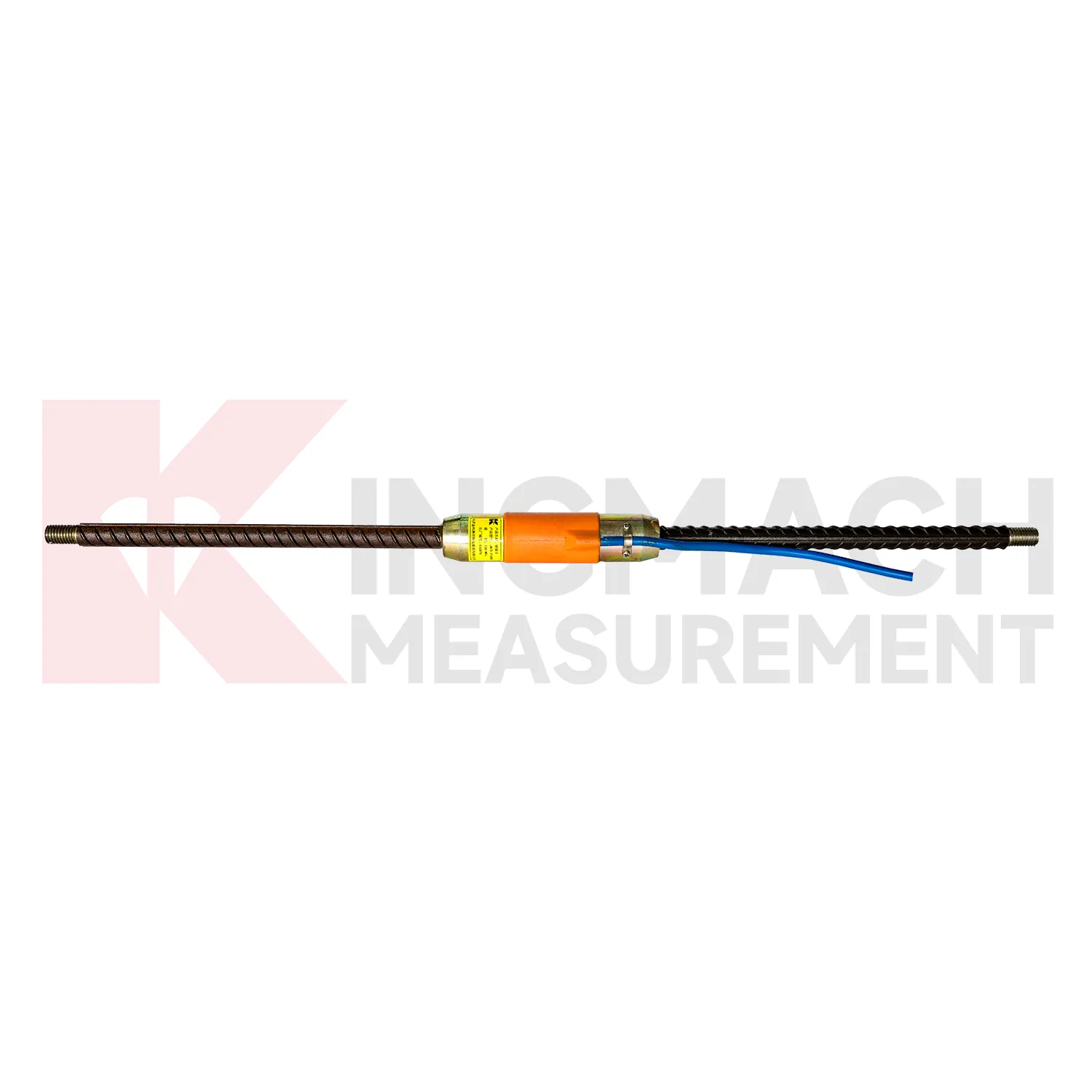
Rebar Strainmeters ( VW & Smart Type) JMZX-4XXHAT/HB
View DetailsFAQ
The key difference lies in the substrate. Foil gauges use a rigid backing that limits the amount of elongation they can accommodate before the bond line fails. Soft strain sensors use a flexible polymer substrate that can stretch with the underlying material, making them better suited for materials like plastics, rubber, or concrete that may experience moderate strain beyond the elastic limit. This flexibility also reduces stress concentration at the edges, improving reliability on curved surfaces.
Yes, with the right sealing. Kingmach provides versions with an additional waterproofing layer or encapsulation that withstands long-term burial. For temporary submersion, such as monitoring during a flooding event, the standard coating may be sufficient, but for permanent immersion, a fully potted assembly is recommended. Technical support can advise on the appropriate protection for your specific site conditions.
Installation starts with surface preparation: grinding or sanding to a smooth profile, followed by cleaning with a solvent. A two-part adhesive is often used, chosen for its compatibility with both the sensor substrate and the concrete. The sensor is pressed into place and held under light pressure while the adhesive cures. A thin layer of protective coating is then applied over the sensor and lead wires to prevent mechanical damage and moisture ingress. For large arrays, pre-assembled multi-sensor sheets can be supplied to reduce on-site handling.
Yes, Kingmach can adjust both the nominal resistance (common values are 120, 350, or 1000 ohms) and the gage factor to suit different measurement systems. Higher resistance reduces current draw for battery-powered loggers; higher gage factor increases signal output for the same strain. Because these sensors are built to order, you can specify the electrical characteristics and the dimensions of the sensing grid. Lead time varies with quantity and complexity, but typical prototyping runs take a few weeks.
In a static pile load test, sensors are attached along the pile shaft to measure strain distribution under applied load. The flexibility of soft sensors allows them to be placed on circular or irregular pile surfaces without bridging gaps, and their low profile does not interfere with the pile driving process. Multiple sensors at each elevation provide redundancy, and the data can be used to derive load transfer curves. Kingmach offers pre-wired arrays with connectorized terminations that speed up installation on site.
Share your product type, target capacity, and application requirements. Our team can review the details and recommend a practical next step.
If you are interested in our products or want to become our partner.
Please leave your contact information, our team will contact you as soon as possible.
Mail: [email protected]
Contact Us: +8613808434127
Address: No. 188 Tongzipo West Rd, Changsha, Hunan, China