
 EN
EN
 ar
ar bg
bg hr
hr cs
cs da
da nl
nl fi
fi fr
fr de
de el
el hi
hi it
it ko
ko no
no pl
pl pt
pt ro
ro ru
ru es
es sv
sv tl
tl iw
iw id
id lv
lv lt
lt sr
sr sk
sk sl
sl uk
uk vi
vi et
et hu
hu th
th tr
tr fa
fa ms
ms hy
hy ka
ka ur
ur bn
bn mn
mn ta
ta kk
kk uz
uz ku
ku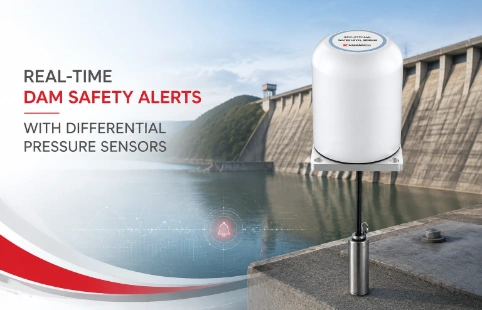
Real-Time Dam Safety Alerts with Differential Pressure Water Level Sensors
Key Takeaways An alert chain needs more than a sensor: define field in...

Strain Gauge Calibration: Accurate Data Starts Here
Strain gauges are simple to install but notorious for drifting. A team monitoring a tunnel in soft ground saw their data trend upward, flagged a potential collapse, and shut down the job for two days. The culprit? The gauges hadn't been calibrated against the actual steel grade used on site. At Kingmach, we've seen enough of these false alarms to know that a bench calibration isn't enough. Our service digs into the specifics of your project—materials, bonding method, expected temperature range—so the numbers you get match the field reality. We don't run a generic process; we work backward from the conditions your sensors will live in.
Technical Detail
As a manufacturer of geotechnical instruments, Kingmach approaches strain gauge calibration with an insider's view. Many labs will test a gauge against a traceable load cell and issue a certificate. That satisfies the paperwork. But we also account for things that crawl into field data: cable resistance changes over long runs, the stiffness mismatch between gauge backing and concrete, drift from moisture ingress over months. Our calibration setups can simulate these. We maintain a full suite of reference standards for foil, wire, and vibrating wire strain gauges—not because one is more accurate, but because each has its own fingerprint. For a recent dam monitoring project, we matched the cable type and length used in the field, then ran a temperature cycle specific to the site's seasonal range. The client's post-installation zero-shift was under 3 microstrain. That kind of result comes from treating calibration as an extension of the measurement chain, not a checkbox. Kingmach also provides customizable calibration reports with raw data, interpolation curves, and sensor-specific uncertainty budgets. If your project demands an audit trail, we include documentation aligned with common regulatory frameworks.
News
Key Takeaways An alert chain needs more than a sensor: define field in...
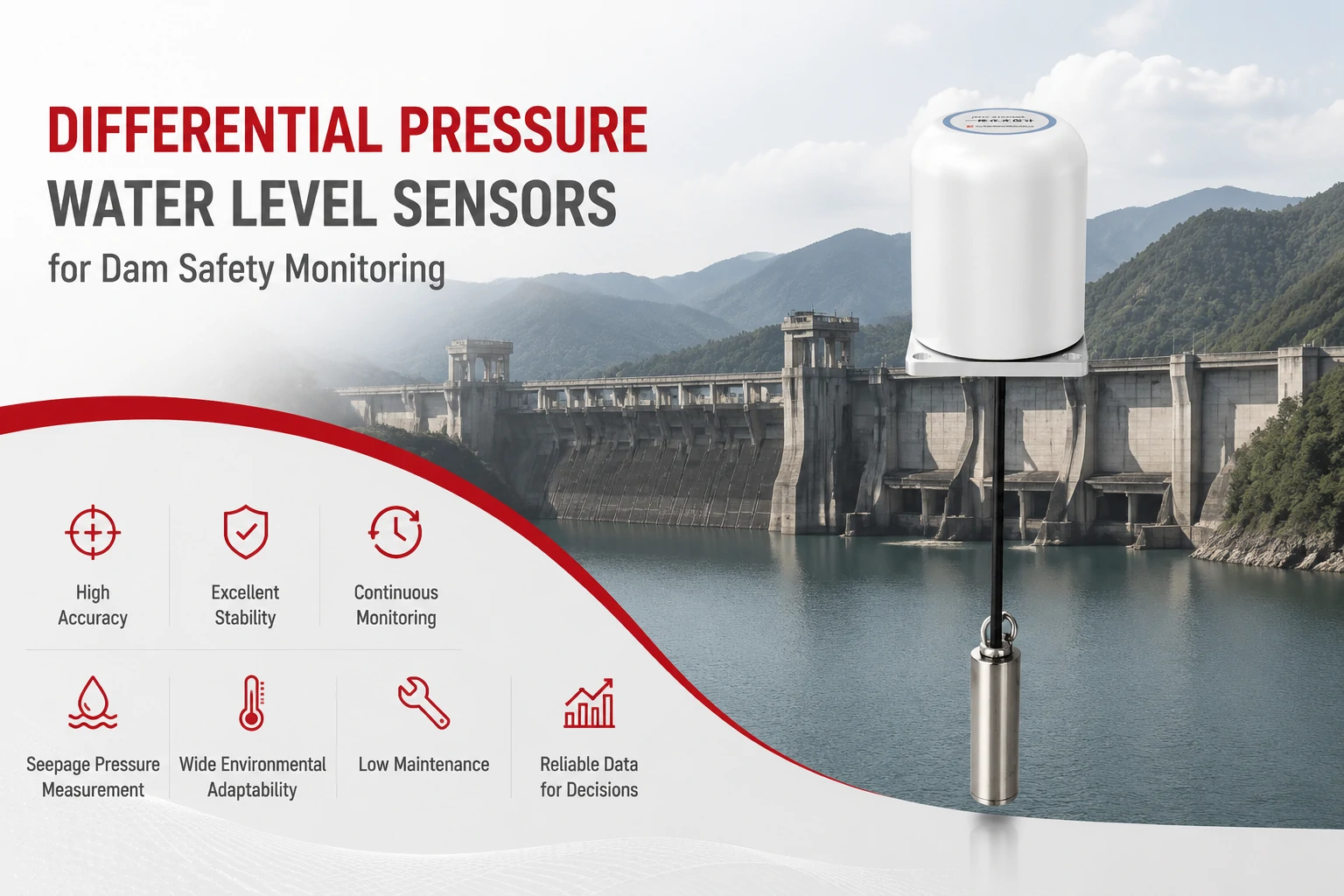
Key Takeaways The strongest fit is usually a confined, submerged, or s...
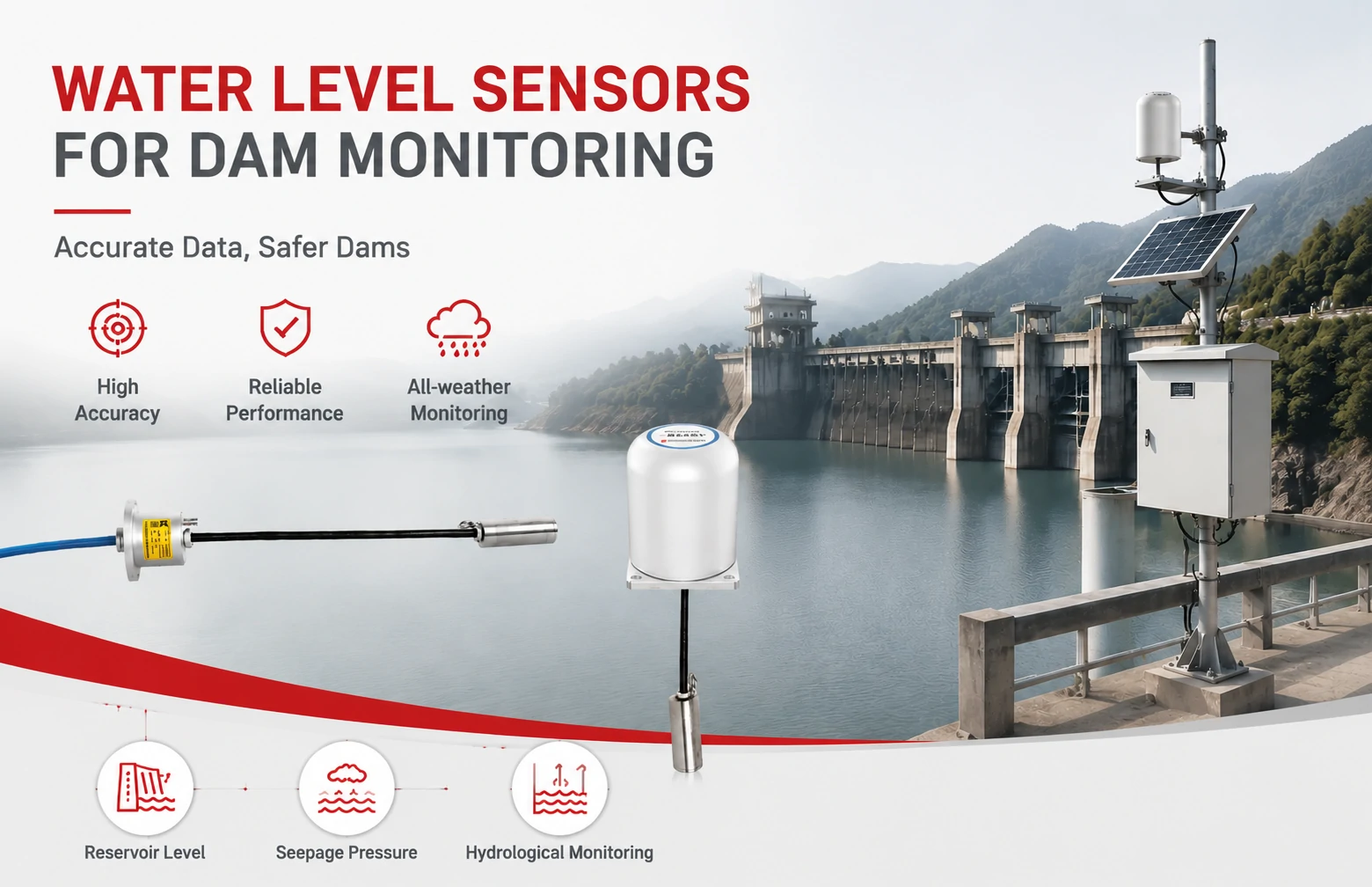
Kingmach Water Level Sensors for Dam Monitoring: A Buyer's Guide to Differential Pre...
Products
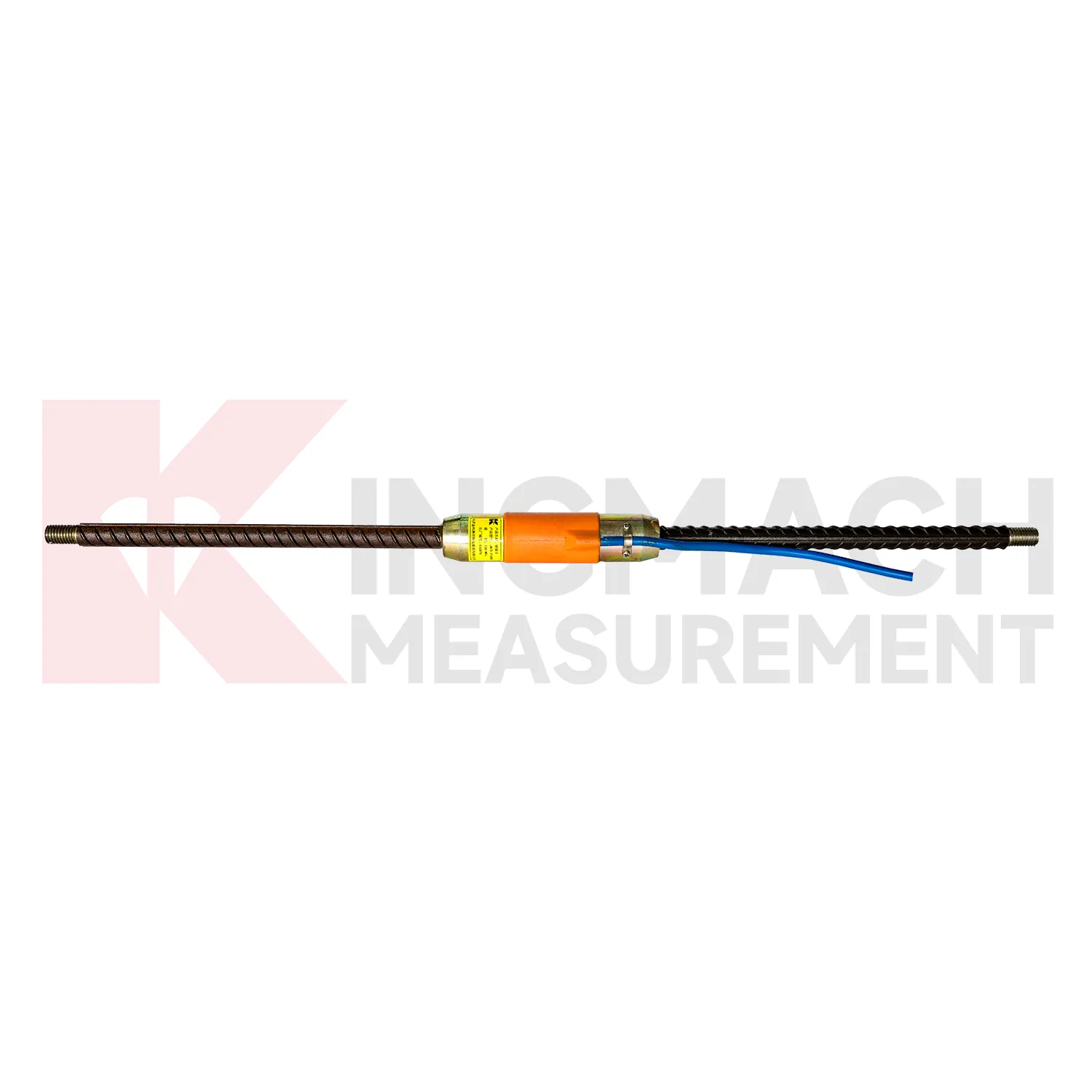
Rebar Strainmeters ( VW & Smart Type) JMZX-4XXHAT/HB
View Details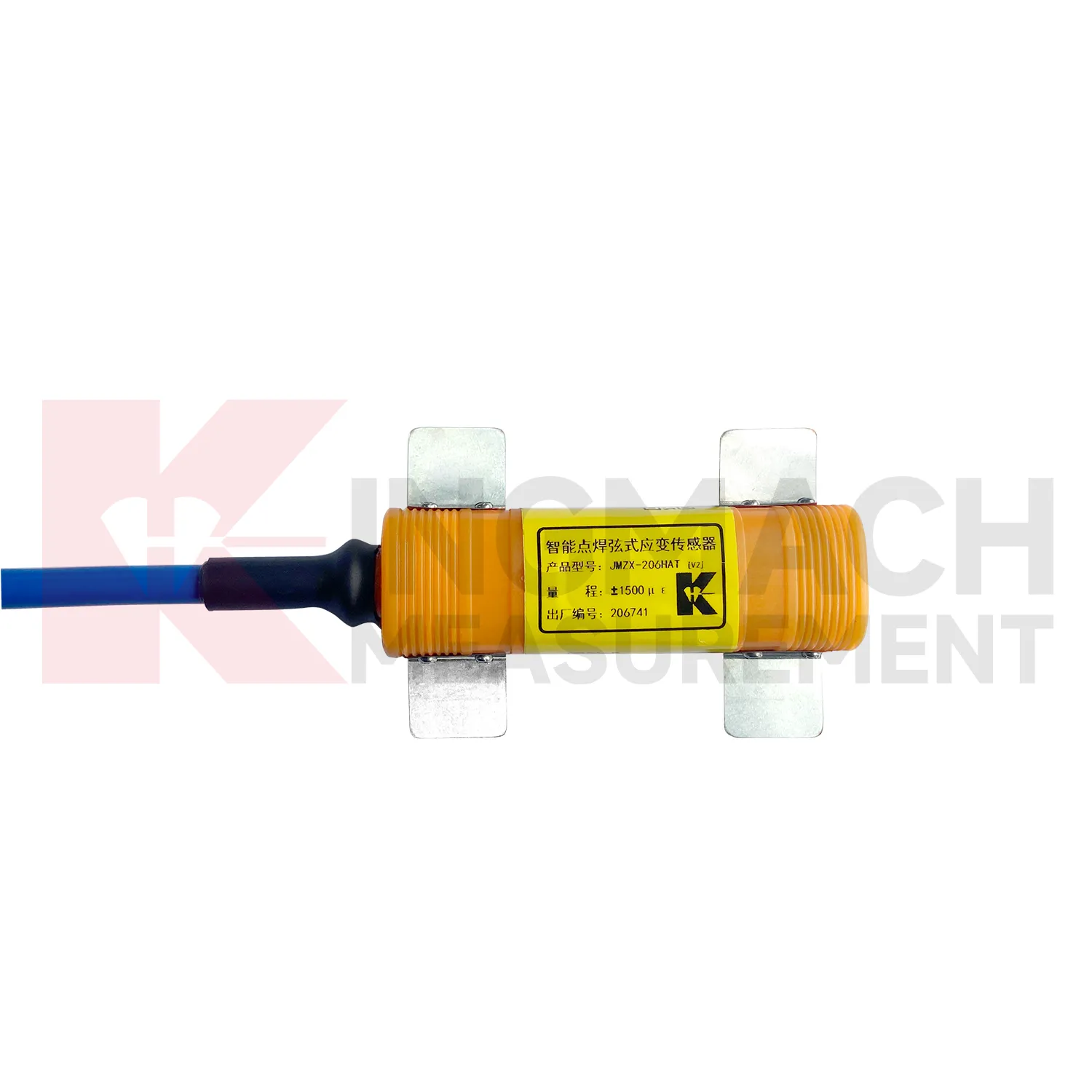
Smart vibrating wire strain gauge (surface welded model) JMZX-206HAT
View Details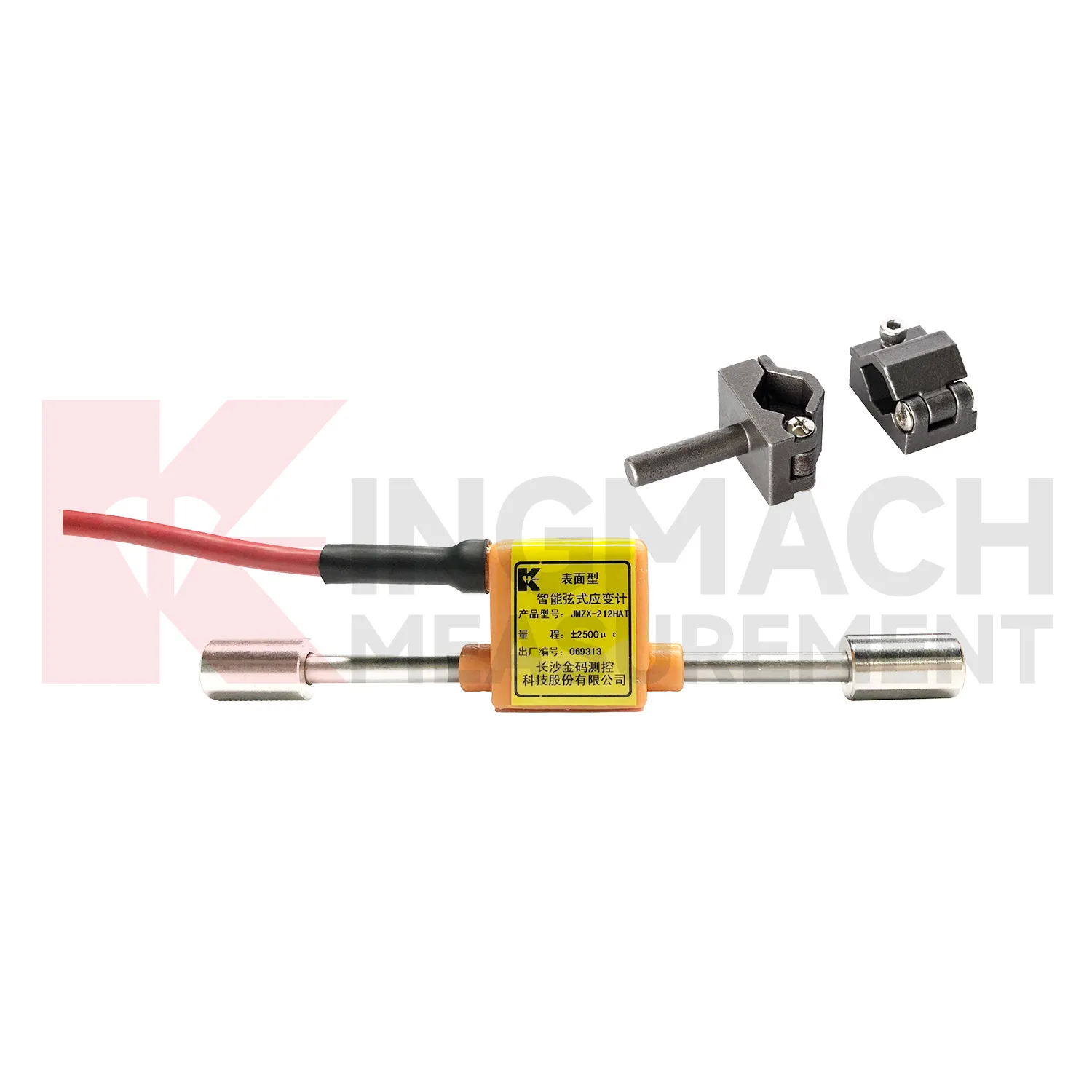
Smart vibrating wire strain gauge (surface model) JMZX-212HAT/HB
View DetailsFAQ
Factory calibrations are done under lab conditions—controlled temperature, short wiring, perfect bonding. Once you install on site, the gauge sees different mechanical and thermal loads. A re-calibration after installation can correct for these offsets and improve data reliability.
There's no universal rule. In long-term monitoring, we suggest checking zero stability monthly and doing a full calibration annually. Harsh environments—high humidity, thermal cycles—accelerate drift, so you might shorten that to six months. The trend of your readings is a better guide than a calendar.
Partially. You can't remove and test the gauge itself, but we can apply known loads or refer to witness gauges that were cast alongside. With vibrating wire types, we can also verify the period-to-strain conversion using thermal coefficient data from the pour.
We handle foil strain gauges (linear, rosette, shear types), vibrating wire strain gauges for concrete embedment or surface mount, and spot-weldable gauges for steel structures. Custom installations with unusual backing or temperature range are common for us—we'll design a calibration fixture if needed.
Yes. Our reports include equipment traceability, environmental conditions during testing, and uncertainty calculations following the GUM method. This documentation usually meets the requirements for ISO/IEC 17025 audited projects, though we recommend confirming with your engineer that the format fits the specific standard invoked.
Share your product type, target capacity, and application requirements. Our team can review the details and recommend a practical next step.
If you are interested in our products or want to become our partner.
Please leave your contact information, our team will contact you as soon as possible.
Mail: [email protected]
Contact Us: +8613808434127
Address: No. 188 Tongzipo West Rd, Changsha, Hunan, China