
 EN
EN
 ar
ar bg
bg hr
hr cs
cs da
da nl
nl fi
fi fr
fr de
de el
el hi
hi it
it ko
ko no
no pl
pl pt
pt ro
ro ru
ru es
es sv
sv tl
tl iw
iw id
id lv
lv lt
lt sr
sr sk
sk sl
sl uk
uk vi
vi et
et hu
hu th
th tr
tr fa
fa ms
ms hy
hy ka
ka ur
ur bn
bn mn
mn ta
ta kk
kk uz
uz ku
ku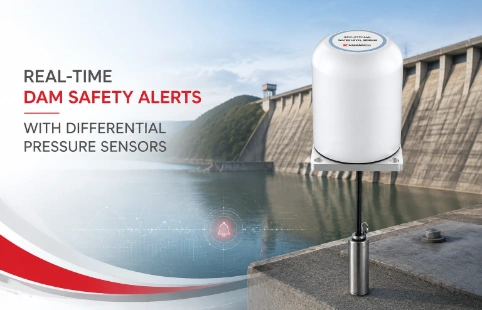
Real-Time Dam Safety Alerts with Differential Pressure Water Level Sensors
Key Takeaways An alert chain needs more than a sensor: define field in...

Strain Gauge Data Acquisition for Field Monitoring
In a recent slope stabilization job, the site team spent three days troubleshooting a data logger that wouldn’t talk to their quarter‑bridge strain gauges. The wiring was right, the software wasn’t. That kind of delay eats into budgets fast. Strain gauge data acquisition isn’t just about picking a box with enough channels—it’s about how the system handles mixed sensor types, long cable runs, and the rough power supplies you get on a construction site. Kingmach builds its acquisition units around that reality. We focus on input flexibility, signal conditioning that survives field wiring, and a data format that feeds directly into common monitoring platforms. No proprietary black boxes. The goal is to get your strain readings into a spreadsheet or SCADA screen without a week of integration work.
Technical Detail
Kingmach strain gauge data acquisition modules are designed to connect directly to standard foil and vibrating wire strain gauges, as well as load cells and pressure transducers. Each channel supports quarter, half, and full bridge configurations, with selectable excitation voltages from 2.5 V to 10 V. On‑board 24‑bit ADCs sample at user‑set rates between 1 Hz and 100 Hz per channel, which covers both static monitoring and slower dynamic events like rail traffic or pile driving. The input impedance is kept above 10 GΩ to handle high‑resistance gauges without parasitic loading, and shunt calibration is built in so you can verify the chain without hanging a precision resistor across the terminals.
Because many geotechnical installations mix sensor types, the same hardware accepts 4–20 mA, 0–5 V, and thermistor inputs—so one box can pull in strain, temperature, and displacement data. The firmware treats each reading with adjustable digital filtering, and the processed output comes out as Modbus RTU, SDI‑12, or plain ASCII strings over RS‑485. That makes integration straightforward with third‑party loggers, radios, or PLCs.
Kingmach offers stock enclosures rated IP65 for standalone use, and we regularly build custom terminal panels and rack‑mount versions for larger projects. Our engineering team can adjust gain ranges, add isolated inputs, or change connectors to match existing site cabling. With a distribution network across more than 40 countries, on‑site startup help and remote diagnostics are within reach, not an afterthought.
News
Key Takeaways An alert chain needs more than a sensor: define field in...
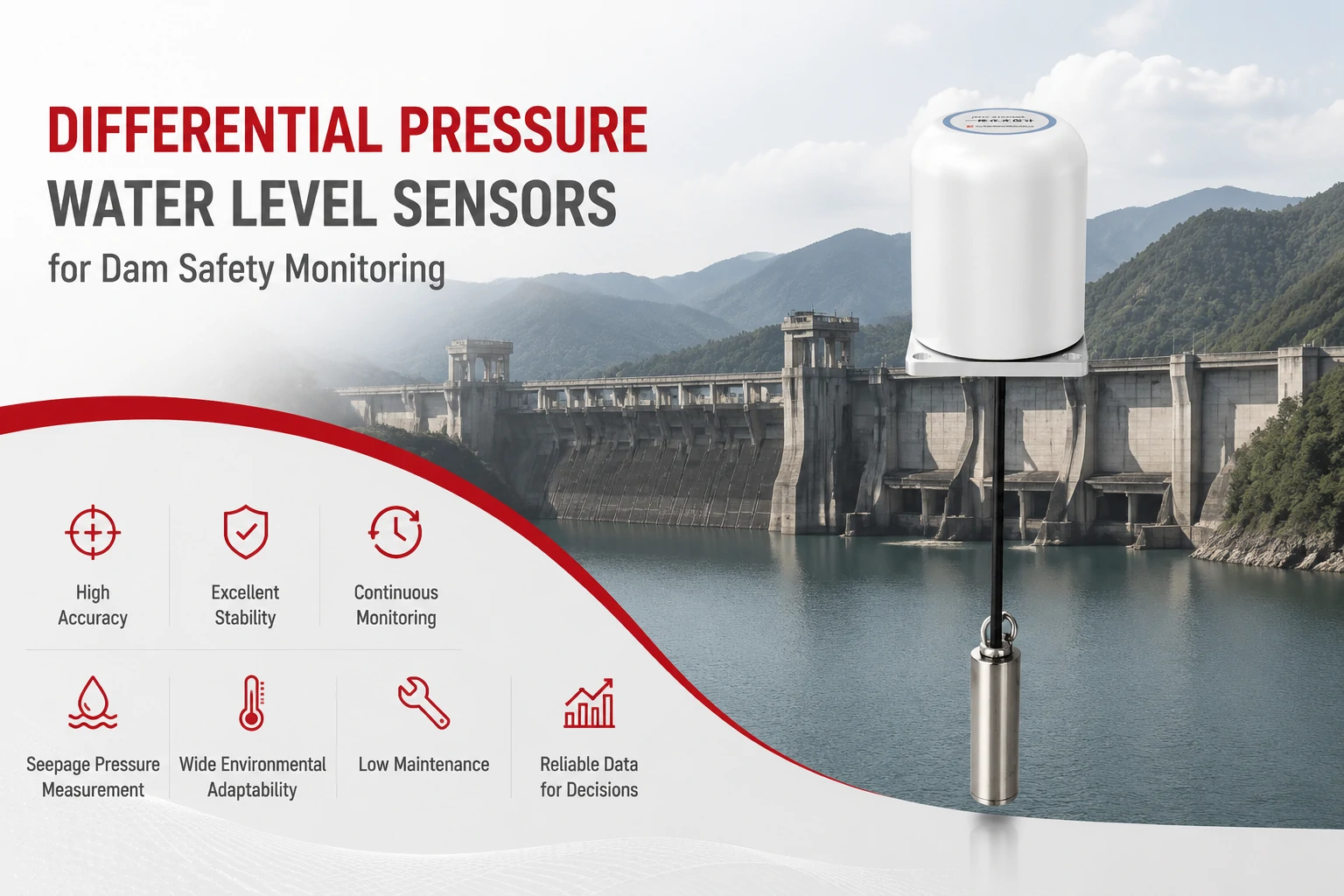
Key Takeaways The strongest fit is usually a confined, submerged, or s...
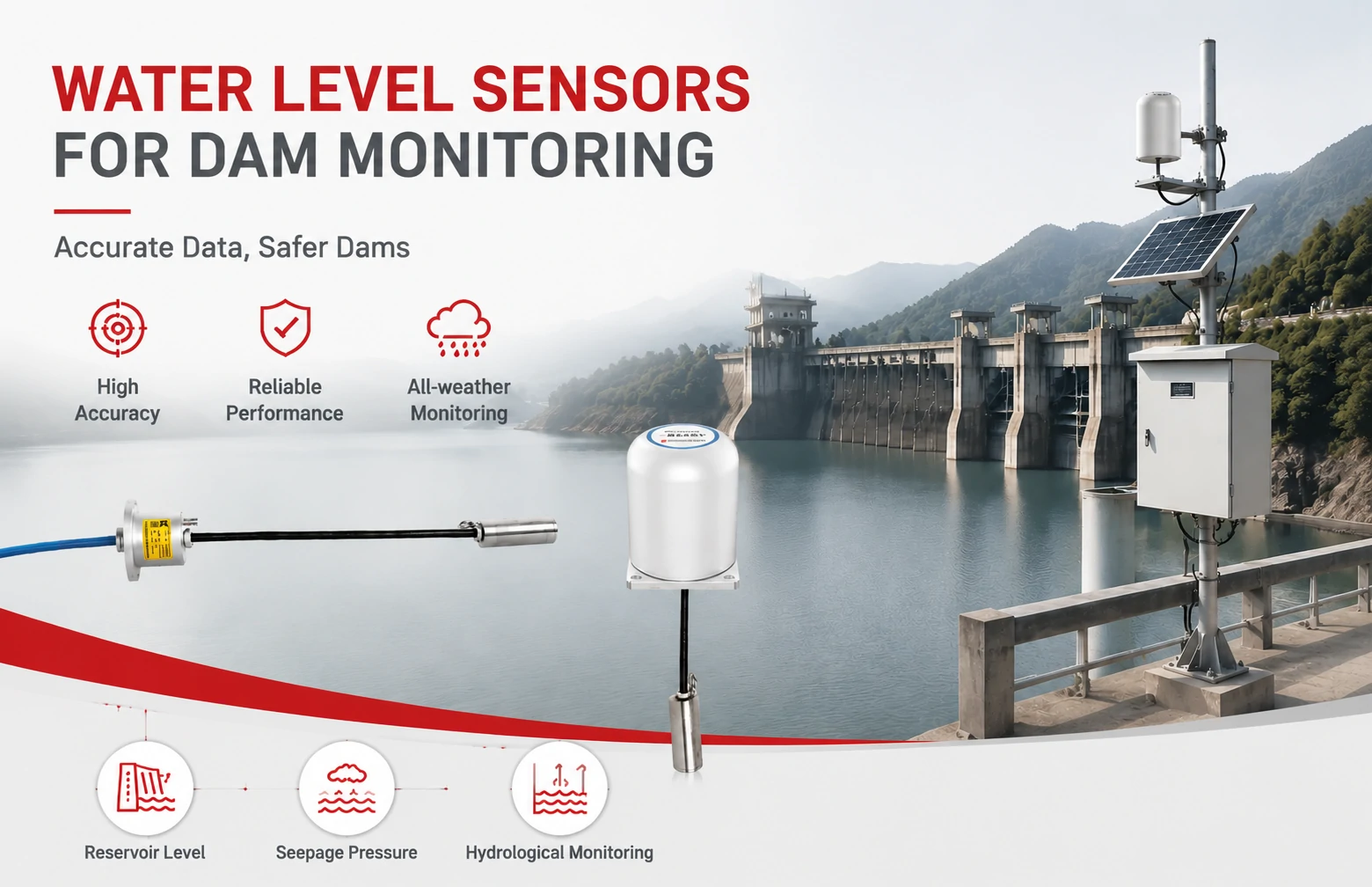
Kingmach Water Level Sensors for Dam Monitoring: A Buyer's Guide to Differential Pre...
Products
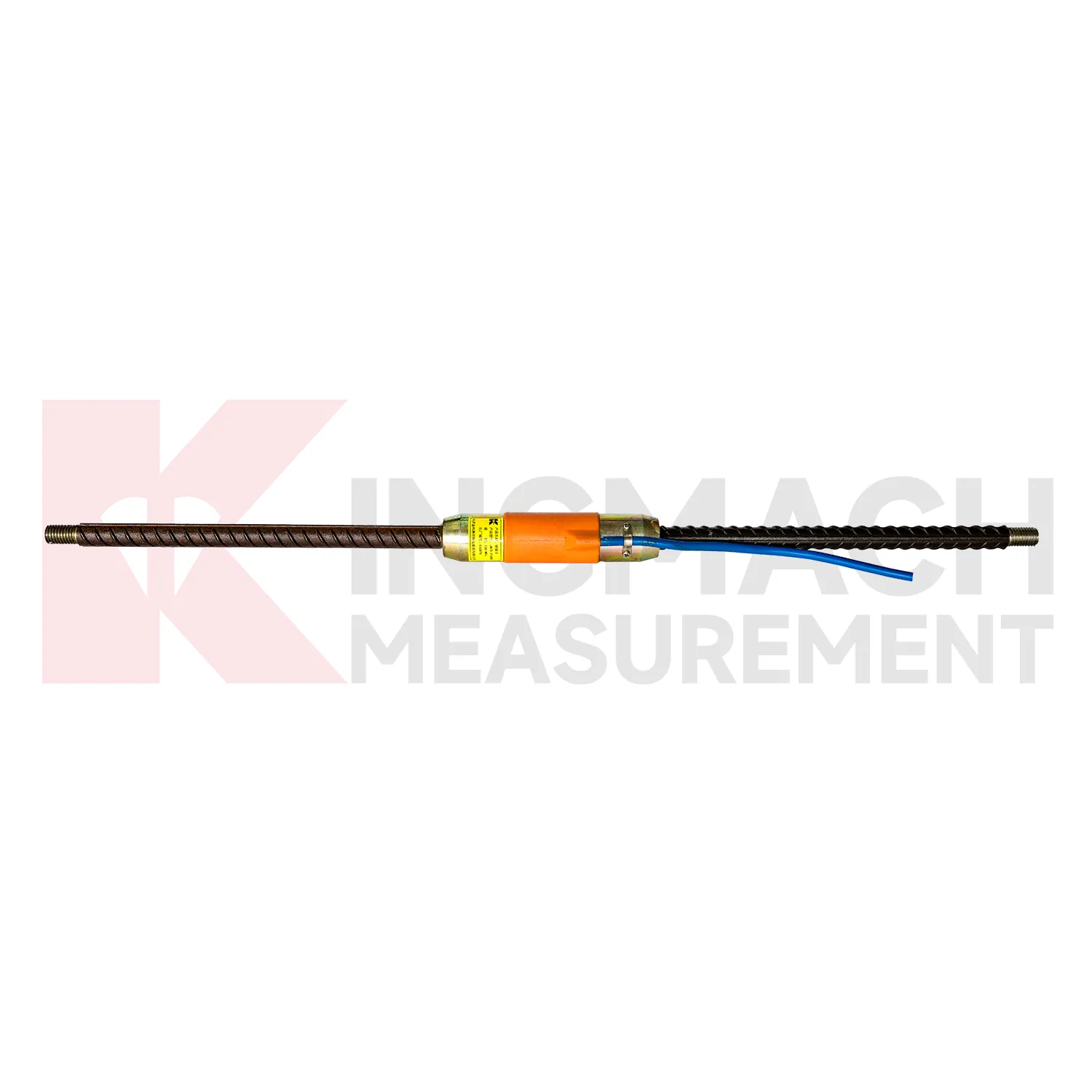
Rebar Strainmeters ( VW & Smart Type) JMZX-4XXHAT/HB
View Details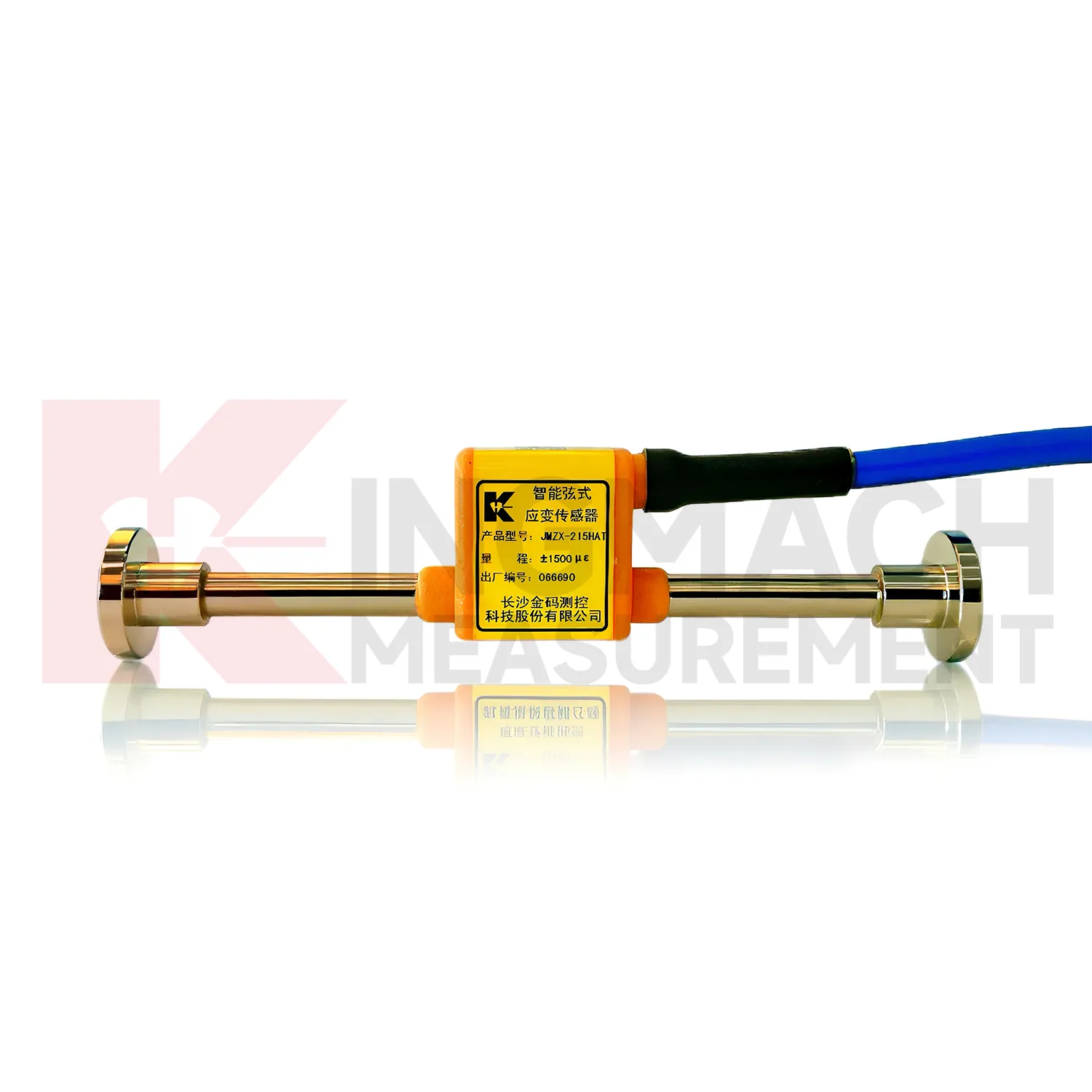
Smart vibrating wire strain gauge (embedment model) JMZX-215HA/215HAT/HB
View Details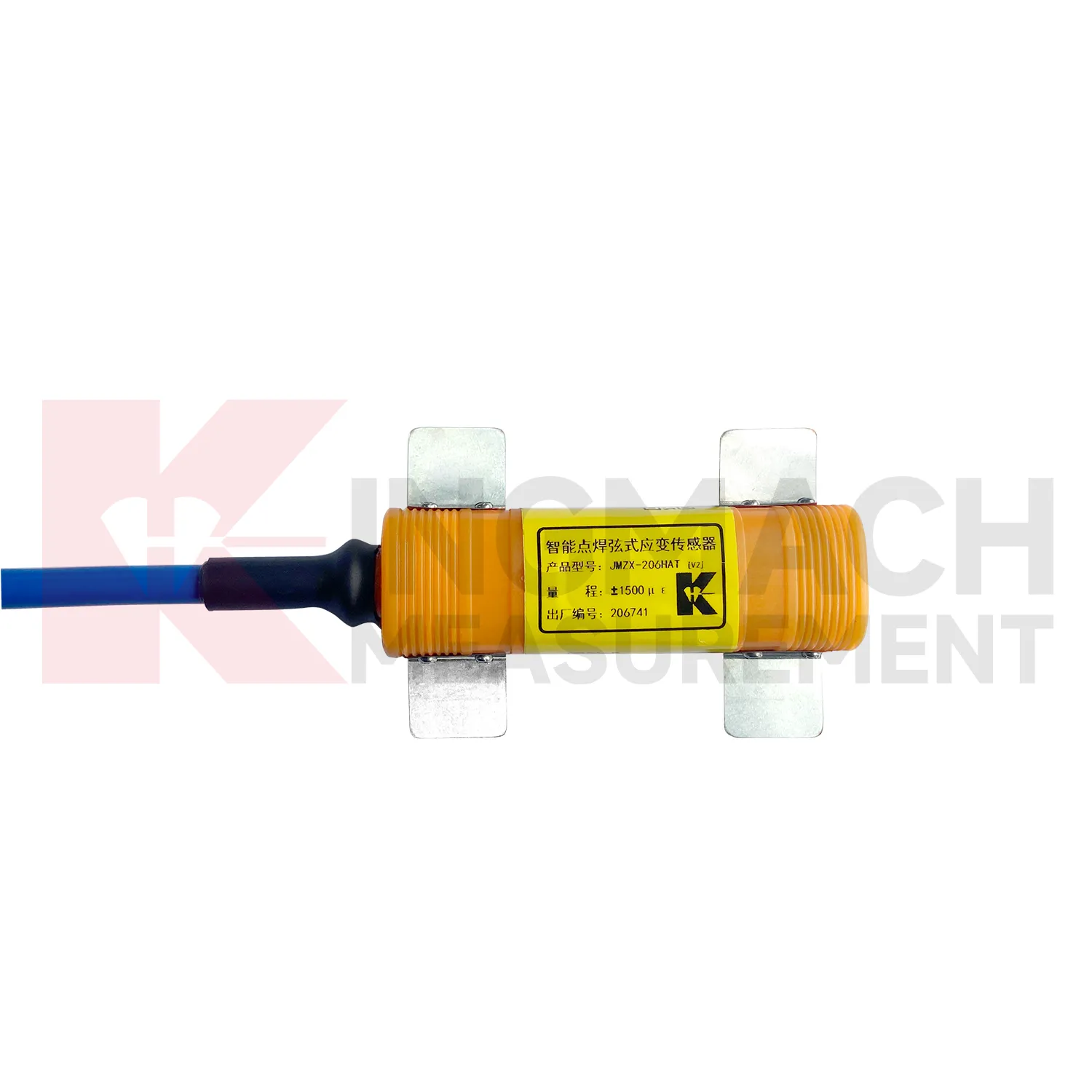
Smart vibrating wire strain gauge (surface welded model) JMZX-206HAT
View DetailsFAQ
Every channel can be set for quarter, half, or full bridge. Quarter‑bridge setups use a 120 Ω or 350 Ω completion resistor, and the excitation voltage is adjustable from 2.5 V to 10 V in software. If you have custom resistance values, we can pre‑wire those at the factory.
Yes, the input terminals accept 4–20 mA, 0–5 V, and thermistor signals alongside the strain gauge connections. You configure each channel type through a simple text file or via Modbus commands, so one box handles multiple monitoring points.
The acquisition module uses high input impedance (>10 GΩ) to minimize current flow and voltage drop over long wires. We also include low‑pass filtering per channel and recommend shielded twisted‑pair cables. For very noisy environments, we can add galvanic isolation on the signal lines.
Standard outputs are Modbus RTU, SDI‑12, and comma‑delimited ASCII over RS‑485. That covers most data loggers, SCADA systems, and serial radios. If you need something specific like JSON over a serial link, our team can adjust the firmware.
Share your product type, target capacity, and application requirements. Our team can review the details and recommend a practical next step.
If you are interested in our products or want to become our partner.
Please leave your contact information, our team will contact you as soon as possible.
Mail: [email protected]
Contact Us: +8613808434127
Address: No. 188 Tongzipo West Rd, Changsha, Hunan, China