
 EN
EN
 ar
ar bg
bg hr
hr cs
cs da
da nl
nl fi
fi fr
fr de
de el
el hi
hi it
it ko
ko no
no pl
pl pt
pt ro
ro ru
ru es
es sv
sv tl
tl iw
iw id
id lv
lv lt
lt sr
sr sk
sk sl
sl uk
uk vi
vi et
et hu
hu th
th tr
tr fa
fa ms
ms hy
hy ka
ka ur
ur bn
bn mn
mn ta
ta kk
kk uz
uz ku
ku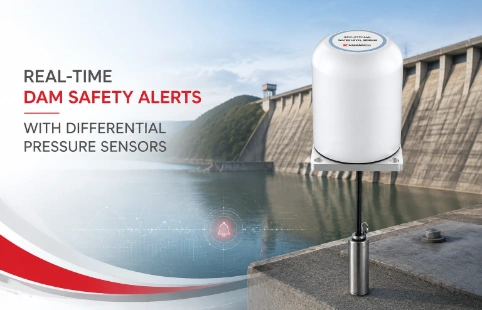
Real-Time Dam Safety Alerts with Differential Pressure Water Level Sensors
Key Takeaways An alert chain needs more than a sensor: define field in...

Tiltmeter Monitoring: Precision Instruments for Geotechnical Safety
A slight tilt in a retaining wall can go unnoticed for months, then suddenly lead to a collapse. That’s why engineers lean on tiltmeter monitoring to catch these subtle shifts before they escalate. At Kingmach Measurement & Monitoring Technology Co., Ltd., we make it our business to supply instruments that don’t miss a beat. As a professional manufacturer of geotechnical tools, we cover a broad range of monitoring needs—from deep excavations to dam surveillance. Our tiltmeters are purpose-built for field reliability, with options for wired or wireless setups, solar power, and integration with data loggers you might already use. We also do custom work when standard gear doesn’t quite fit a project’s specific requirements. With a network of distributors spanning several continents and a technical support team that’s been around the block, we aim to make tiltmeter monitoring less of a headache. Whether you’re managing a long-term tunnel monitoring plan or a quick slope stability check, there’s likely a Kingmach instrument that fits.
Technical Detail
Kingmach tiltmeters are designed with practical field performance in mind. Many models achieve resolution down to 0.001 degree, so even tiny angular changes get flagged before they become big problems. The portfolio includes both uniaxial and biaxial configurations, and sensors can be deployed in boreholes, on structural surfaces, or within inclinometer casing. For remote sites, wireless transmission and solar power options are often available, cutting down on site visits and manual readings. These instruments are commonly used for monitoring retaining walls, landslides, bridge piers, tunnels, and tall structures where long-term stability data is critical. What sets Kingmach apart is the combination of depth in the product line and an engineering-first approach to customization. If a standard housing material or cable length doesn’t work, the team can usually adapt the design. And because the company runs its own quality checks in-house, consistency from unit to unit is typically better than sourcing from a generic trading company. Global distribution also means that spare parts and recalibration services are accessible in most regions without excessive downtime. The support doesn’t end at delivery: application engineers can walk project teams through setup, troubleshooting, and data interpretation. For monitoring consultants and contractors, this translates to fewer sensor swap-outs and a clearer picture of subsurface movement over time.
News
Key Takeaways An alert chain needs more than a sensor: define field in...
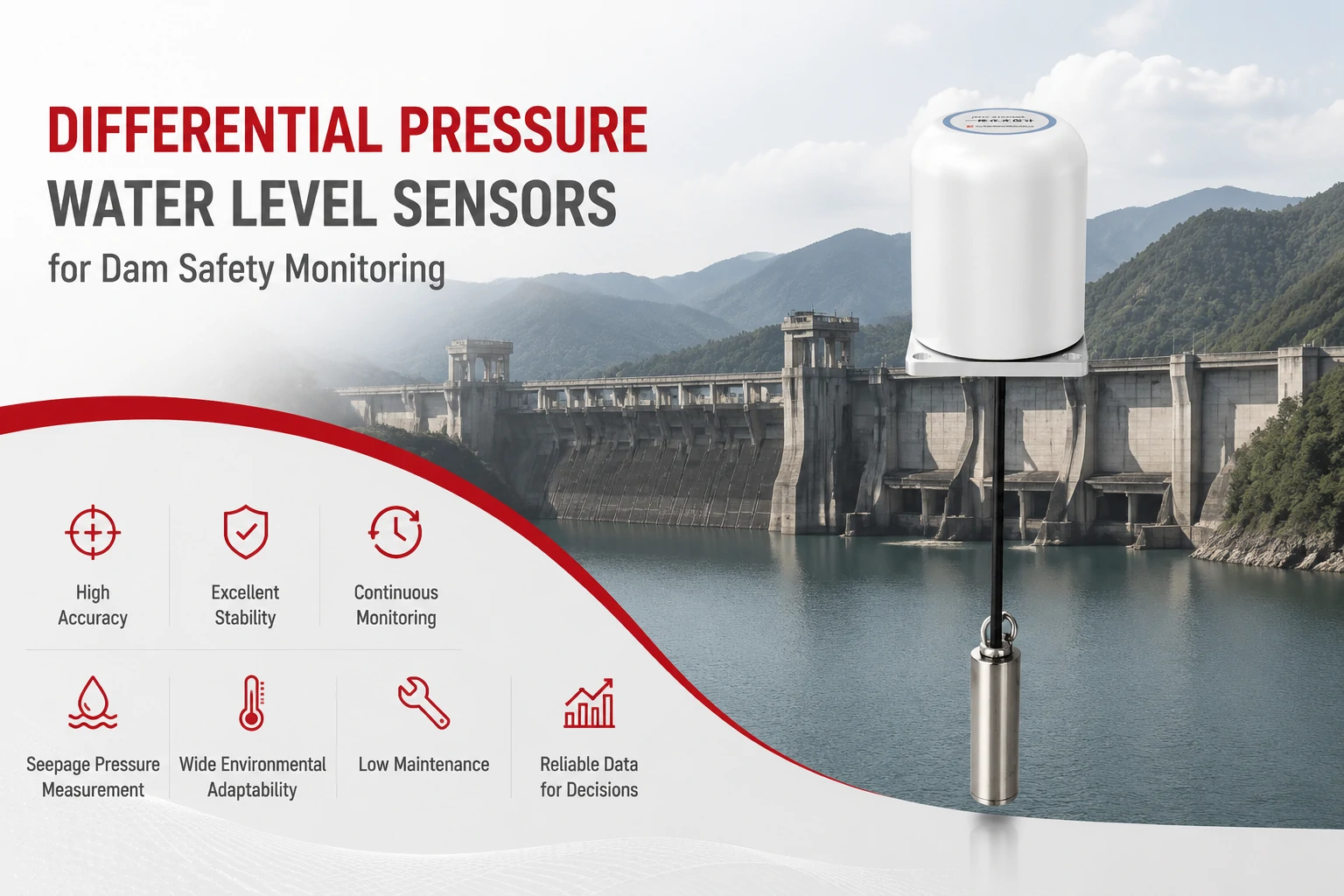
Key Takeaways The strongest fit is usually a confined, submerged, or s...
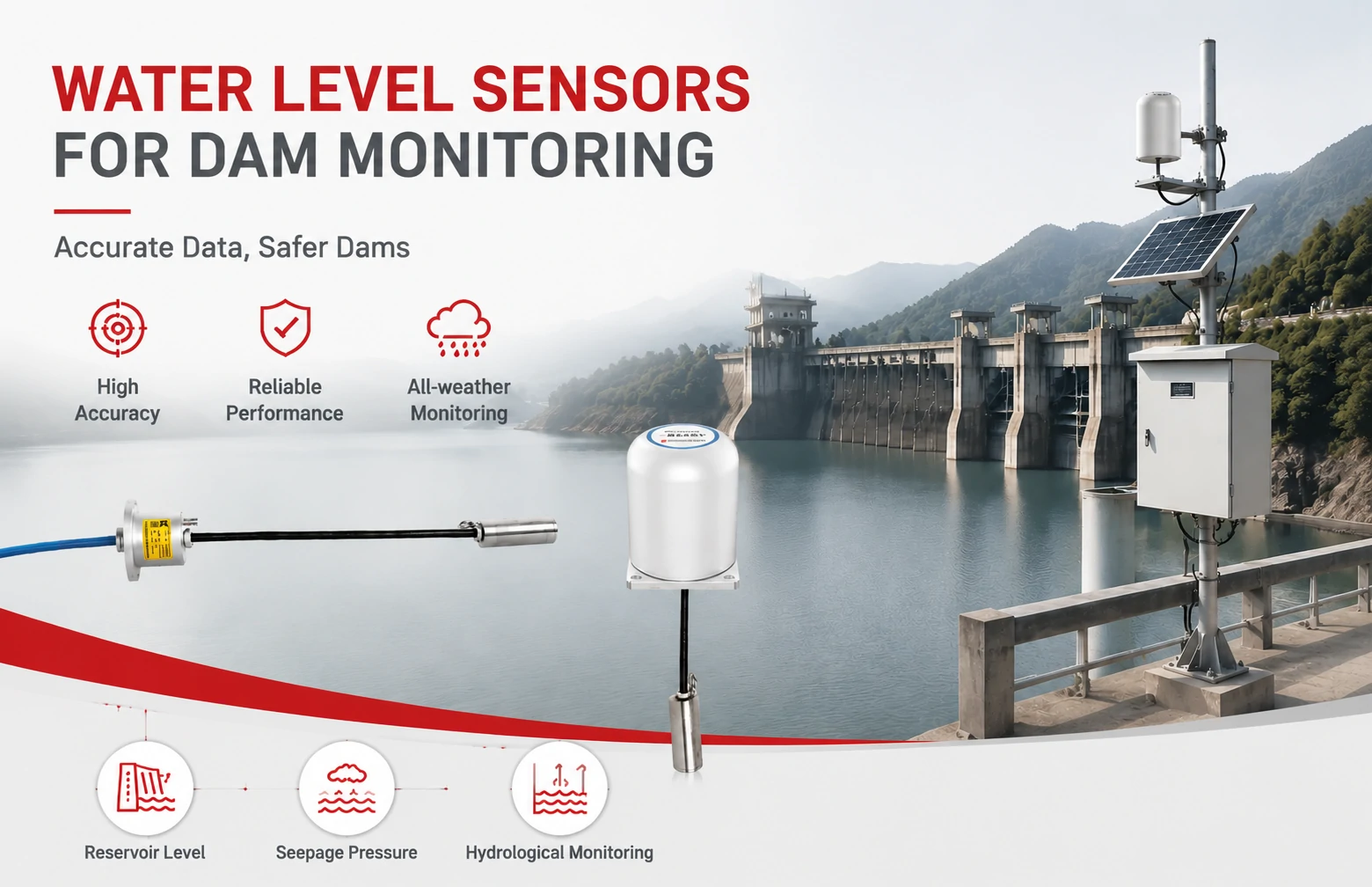
Kingmach Water Level Sensors for Dam Monitoring: A Buyer's Guide to Differential Pre...
Products
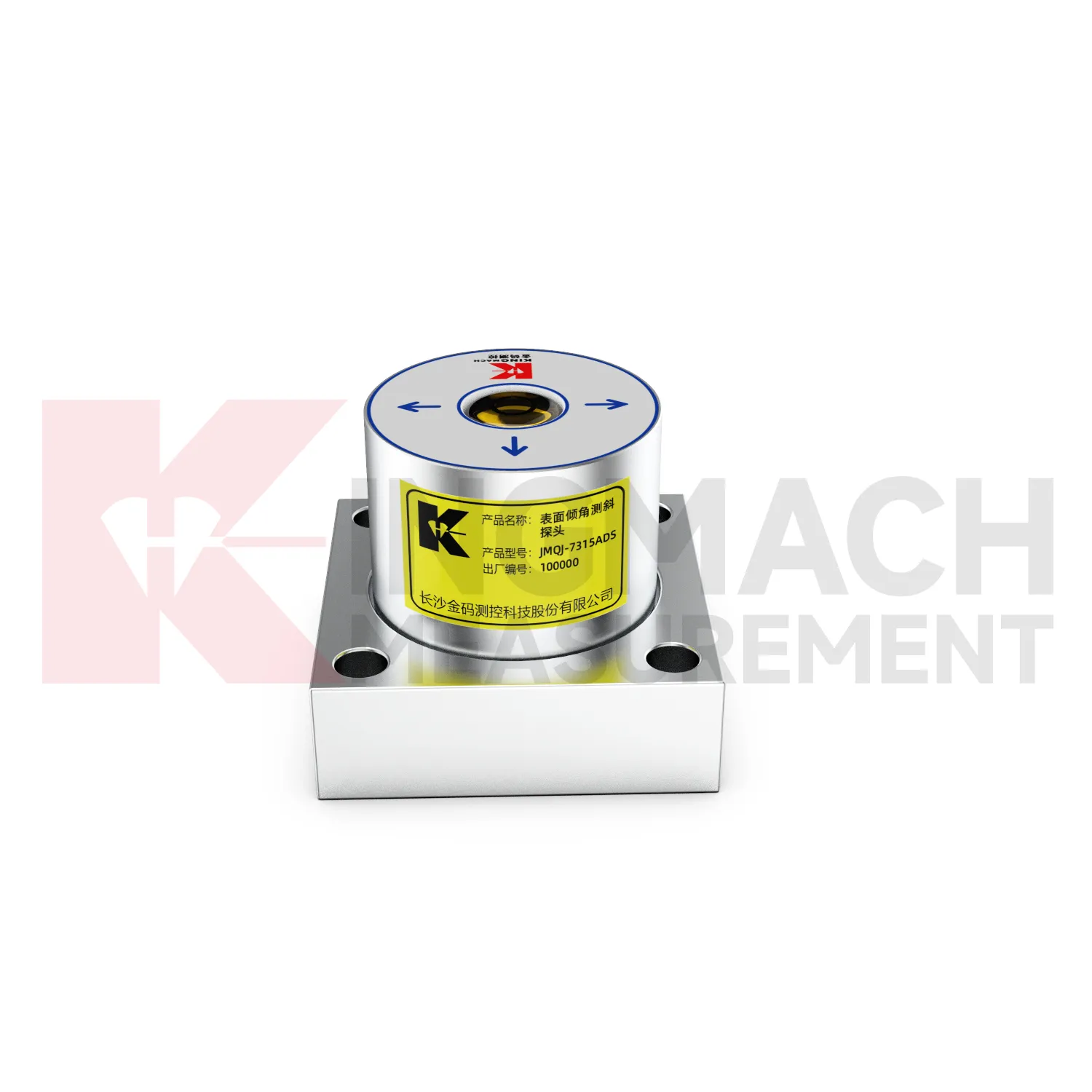
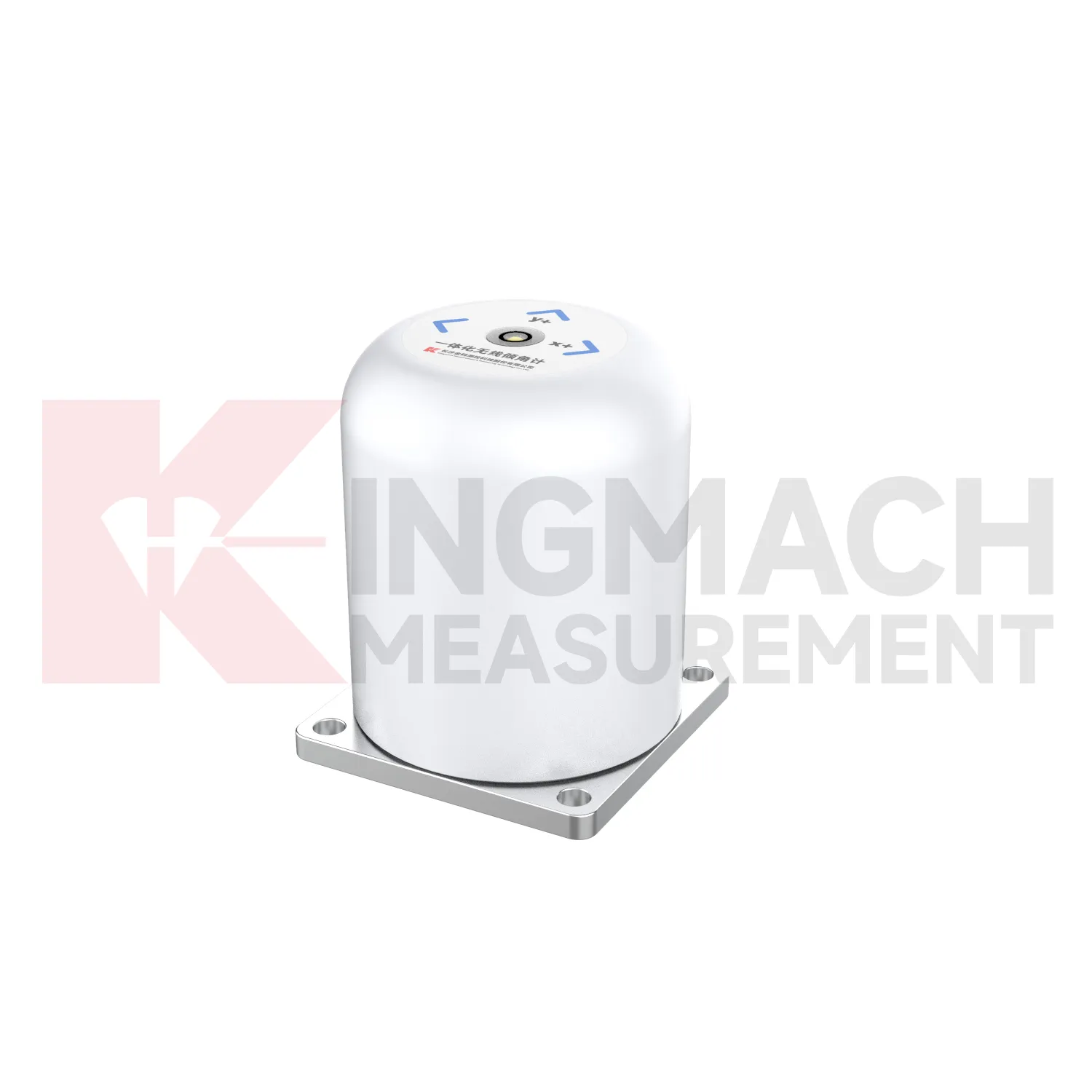
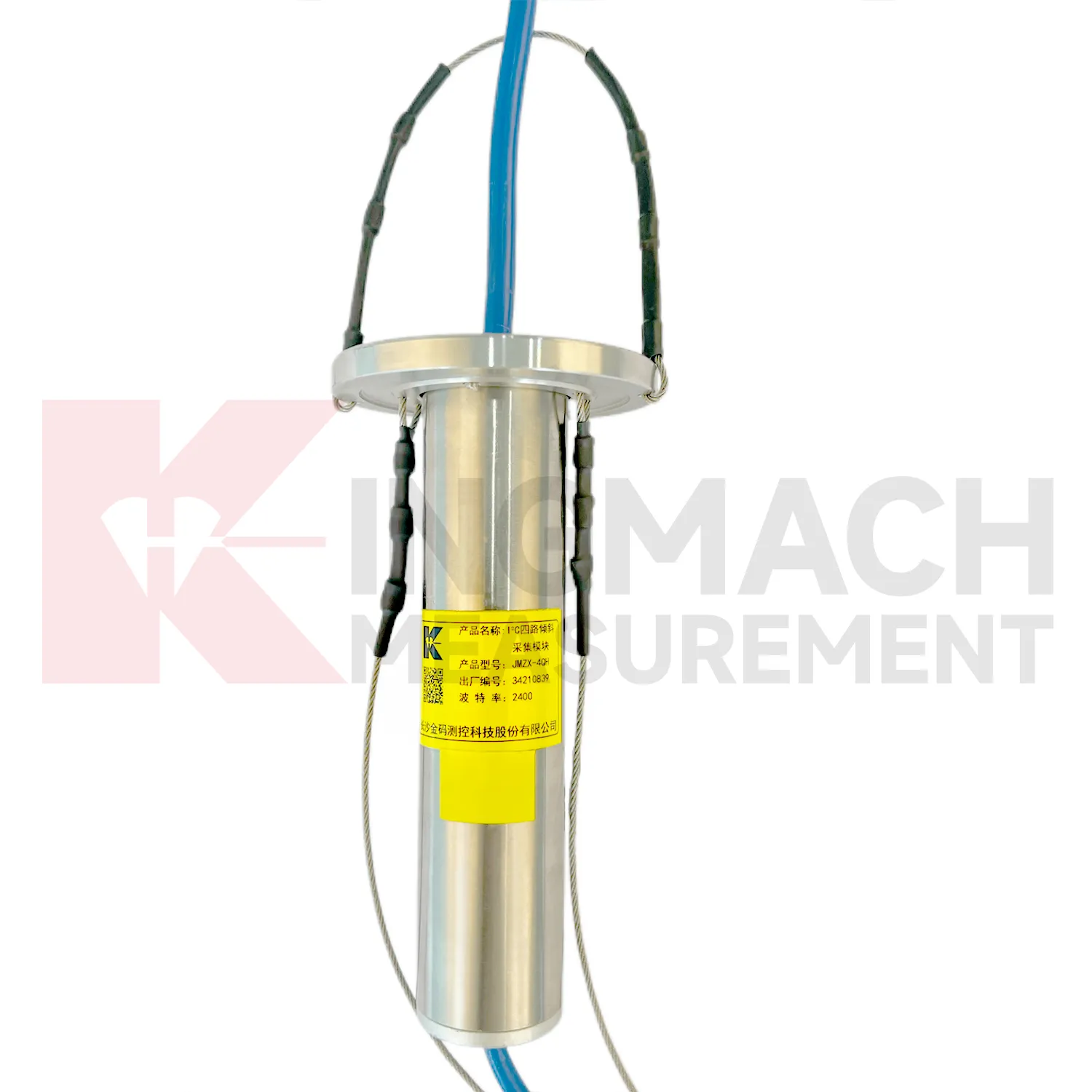
I²C 4-Channel Inclination Acquisition Module JMZX-4QH
View DetailsFAQ
A tiltmeter uses an accelerometer or electrolytic sensor to detect changes in angle from vertical. As the structure tilts, the internal sensor produces an electrical signal proportional to the tilt. Data is then logged and converted to displacement or rotation values.
In-place inclinometers are typically installed inside borehole casing to measure subsurface deformation along a vertical profile, while surface tiltmeters are anchored directly on a structure like a wall or beam to monitor angular change at a single point. The choice depends on whether you need deep profile data or spot measurements.
Yes, most Kingmach tiltmeters output standard signals like 4-20 mA, RS485, or SDI-12, which are compatible with a wide range of off-the-shelf data loggers. If a project uses a specific brand, the team can often advise on wiring and configuration.
It depends on the expected movement and the precision required. For subtle early-warning monitoring in tunnels or dams, a high-resolution model with a range of ±15 degrees might be appropriate. For more dynamic sites like active landslides, a wider range of ±30 degrees may be better. Our application engineers can help match the spec to the site conditions.
Most tiltmeters come pre-calibrated from the factory, but field checks using a tilt table or known angle are still good practice. Kingmach offers calibration certificates and can guide technicians through the process remotely or arrange for a service center check if drift is suspected.
Share your product type, target capacity, and application requirements. Our team can review the details and recommend a practical next step.
If you are interested in our products or want to become our partner.
Please leave your contact information, our team will contact you as soon as possible.
Mail: [email protected]
Contact Us: +8613808434127
Address: No. 188 Tongzipo West Rd, Changsha, Hunan, China