
 EN
EN
 ar
ar bg
bg hr
hr cs
cs da
da nl
nl fi
fi fr
fr de
de el
el hi
hi it
it ko
ko no
no pl
pl pt
pt ro
ro ru
ru es
es sv
sv tl
tl iw
iw id
id lv
lv lt
lt sr
sr sk
sk sl
sl uk
uk vi
vi et
et hu
hu th
th tr
tr fa
fa ms
ms hy
hy ka
ka ur
ur bn
bn mn
mn ta
ta kk
kk uz
uz ku
ku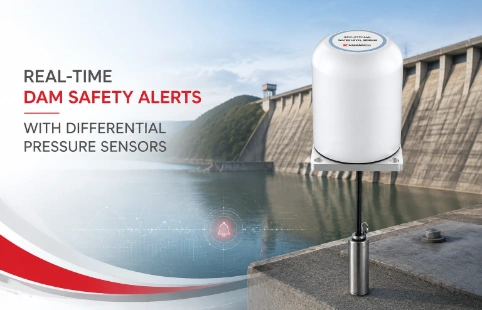
Real-Time Dam Safety Alerts with Differential Pressure Water Level Sensors
Key Takeaways An alert chain needs more than a sensor: define field in...

Vibrating Wire Rebar Strain Meter for Long‑Term Structural Monitoring
Concrete structures look solid, but the steel inside does the heavy lifting. Knowing how much that reinforcement actually stretches or compresses under load tells you whether your design assumptions hold up—or whether there’s a problem brewing. A vibrating wire rebar strain meter gives you that data directly, right where it matters. Instead of guessing from external measurements, you get a frequency signal that corresponds to strain at the bar itself. Kingmach supplies these instruments as part of a broader geotechnical range, so you’re not locked into a one-size-fits-all sensor. We focus on instruments that survive installation and keep reading reliably for years, not just for a lab test. Typical applications include bored piles, diaphragm walls, bridge piers, and tunnel linings where long‑term, drift‑free monitoring is non‑negotiable. Our technical team can walk you through sensor selection and provide the calibration data you need for your data logger.
Technical Detail
A vibrating wire rebar strain meter operates on a simple principle: a tensioned wire inside the sensor changes its natural frequency when the surrounding steel deforms. That frequency is immune to electrical noise and doesn’t drift over time the way electrical resistance gauges sometimes do. You weld the instrument’s end flanges to the rebar—or use couplers for larger diameters—and pour concrete over it like normal. After curing, any load that changes the rebar length alters the wire tension, giving you a clean, repeatable reading. Kingmach supplies these strain meters in several standard sizes to fit common bar diameters, and we can adjust flange dimensions for unusual rebar schedules. Most units include a built‑in thermistor so you can separate thermal expansion from mechanical strain without running extra wires. The body is sealed against moisture and grout intrusion; in practice, this means the sensor can sit in water‑saturated concrete for years. Output is a frequency signal, compatible with almost any vibrating‑wire readout unit or data logger. Because we’re a dedicated manufacturer, not a reseller, we can support custom projects directly—think non‑standard gauge lengths for small‑diameter piles, or special cables for high‑temperature environments. Our support engineers are used to working with contractors who need quick‑turn submittals, and we keep calibration sheets organized by serial number for traceability. If your project spans multiple countries, our logistics team handles export documents and local delivery.
News
Key Takeaways An alert chain needs more than a sensor: define field in...
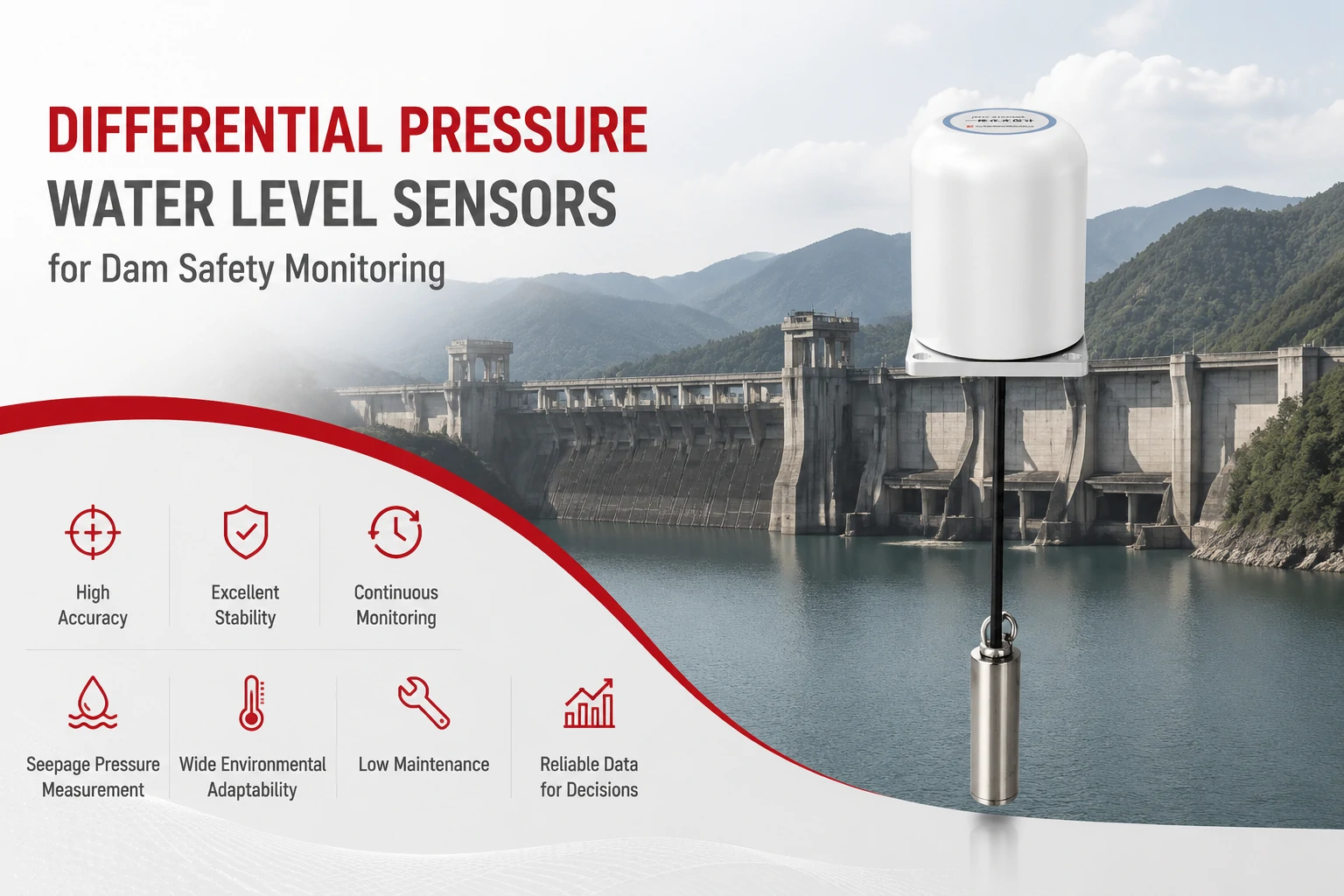
Key Takeaways The strongest fit is usually a confined, submerged, or s...
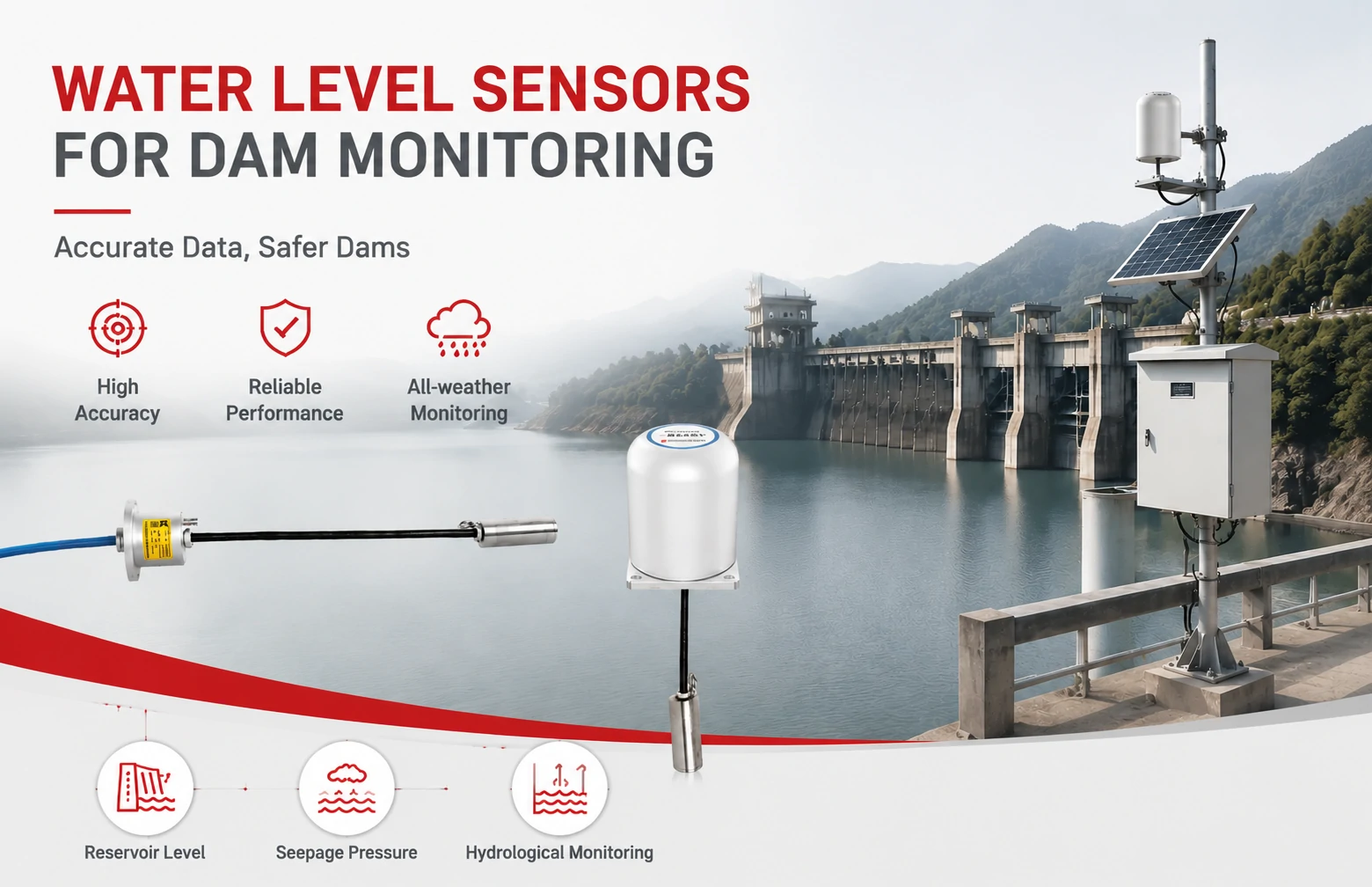
Kingmach Water Level Sensors for Dam Monitoring: A Buyer's Guide to Differential Pre...
Products
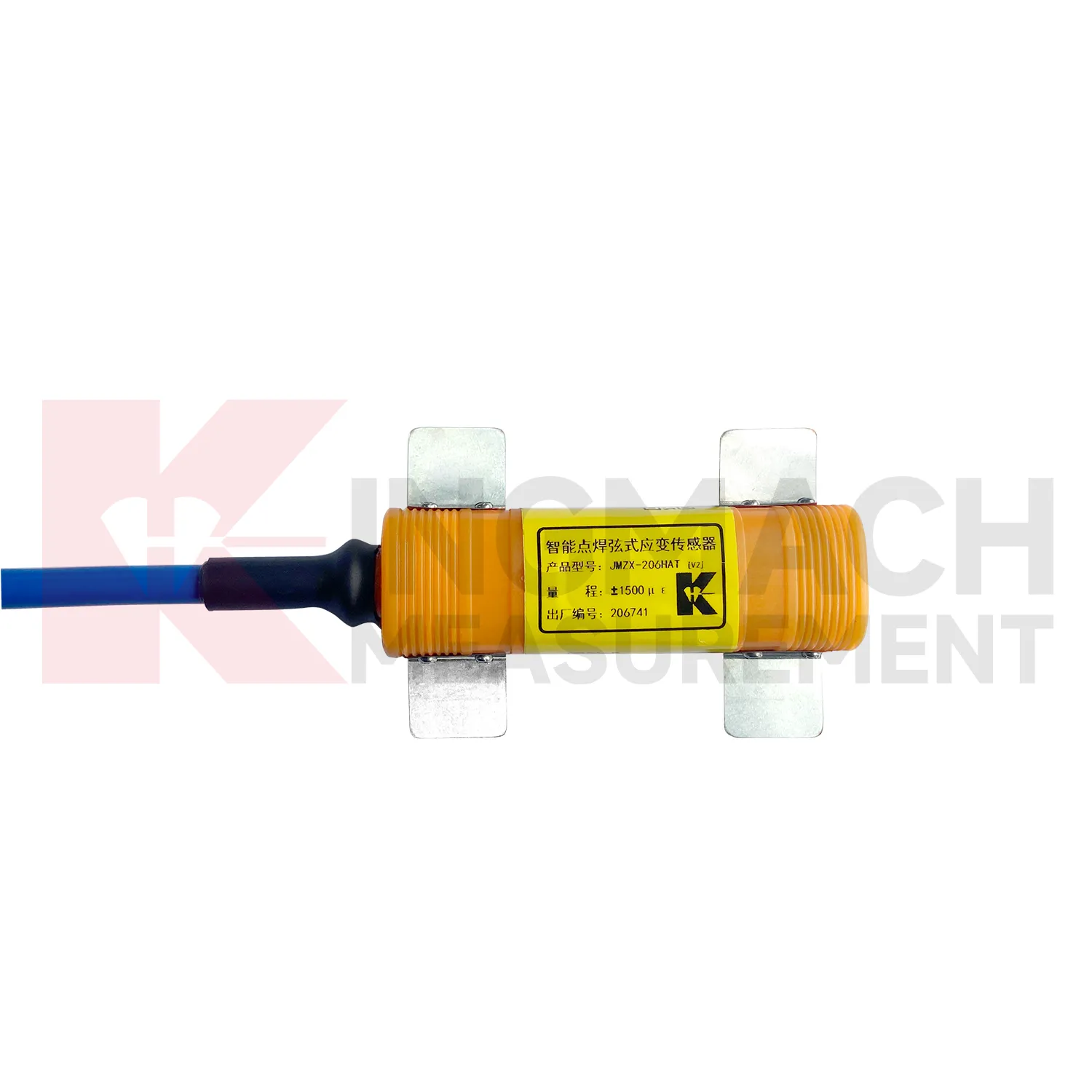
Smart vibrating wire strain gauge (surface welded model) JMZX-206HAT
View Details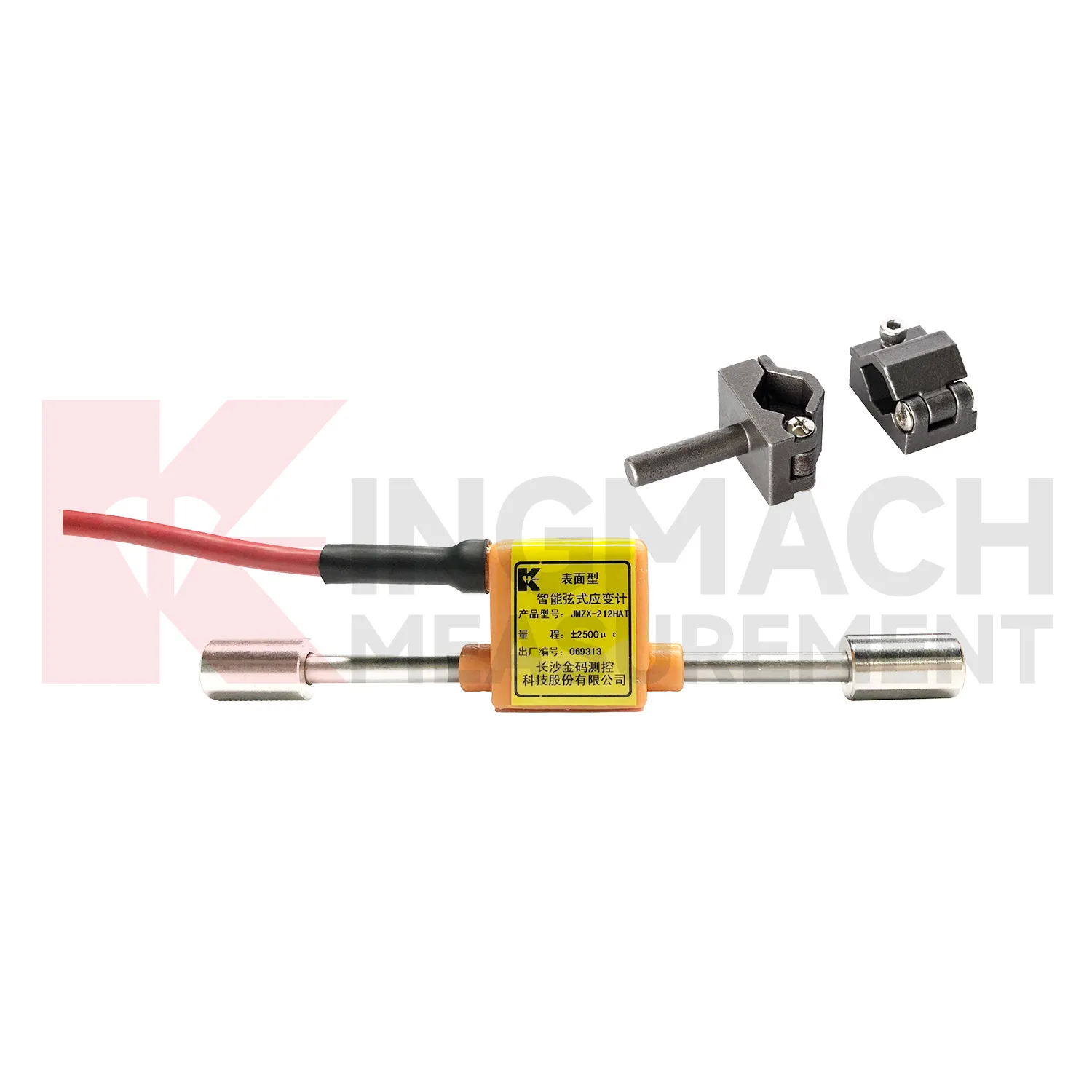
Smart vibrating wire strain gauge (surface model) JMZX-212HAT/HB
View Details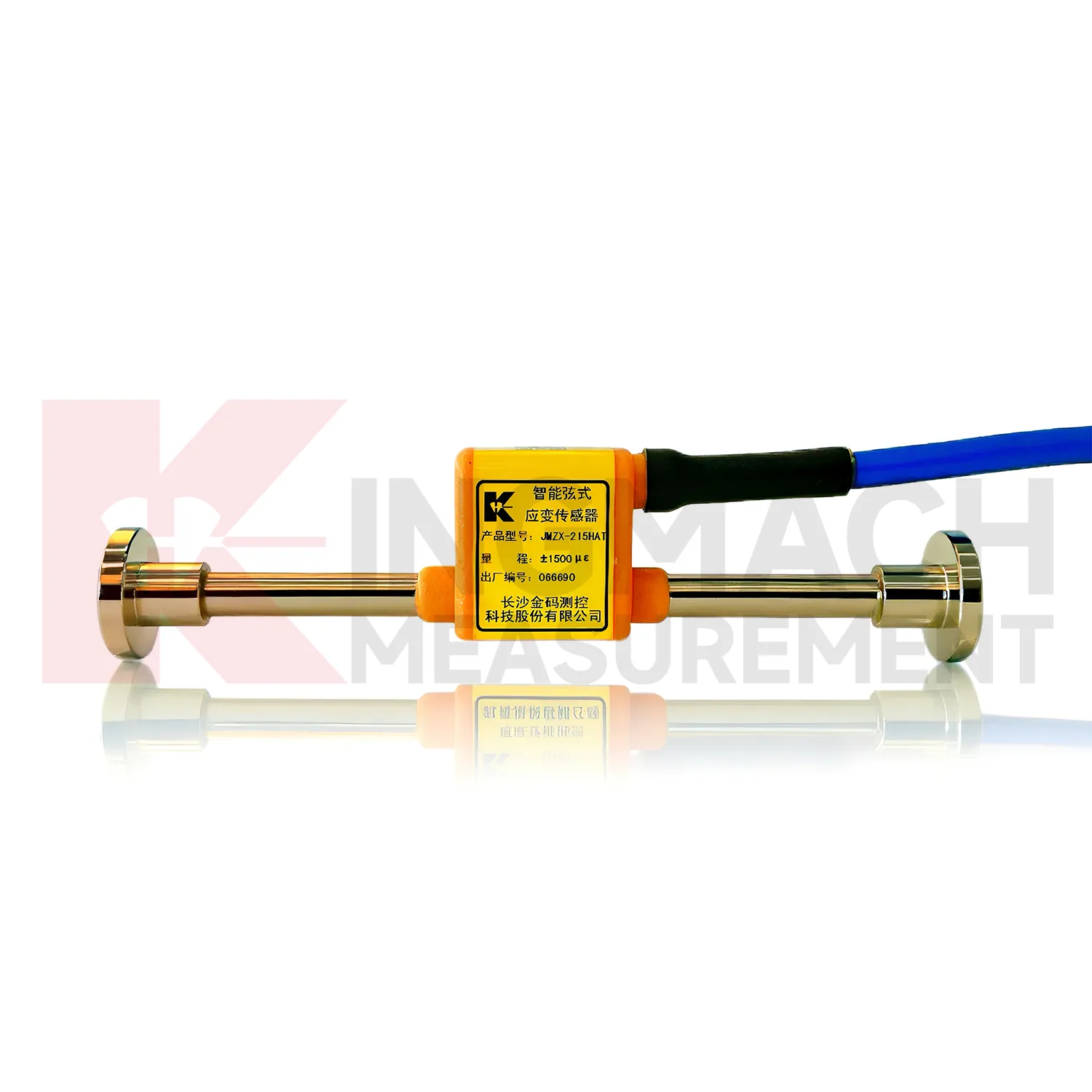
Smart vibrating wire strain gauge (embedment model) JMZX-215HA/215HAT/HB
View DetailsFAQ
Typically you tack‑weld the two end flanges directly to the rebar while keeping the sensor body cooled with a wet rag. For larger bars or congested cages, we can supply adapter couplers instead. The key is ensuring the sensor is securely bonded so it moves exactly with the steel.
Almost certainly yes. The sensor outputs a frequency signal in the standard vibrating‑wire range (usually 800–3500 Hz). Most loggers from Campbell Scientific, DataTaker, or RST Instruments accept that signal natively. Just match the excitation and you’ll get a reading.
The internal cavity is sealed with an O‑ring and epoxy potting, so grout can’t reach the wire. The exterior is stainless steel and can handle splashes or full immersion. We still recommend a protective cap during aggressive placement, but the sensor itself isn’t fragile.
Every sensor includes a thermistor as standard. You read the temperature at the same time as the strain, then subtract the product of the temperature change and your concrete’s thermal expansion coefficient. The remaining strain is mechanical—what you’re really after.
Yes, that’s one of our regular customizations. We can shorten the gauge section or extend it depending on your bar spacing. Just send us your rebar schedule and the clear cover, and we’ll propose a unit that fits without interfering with the cage ties.
Share your product type, target capacity, and application requirements. Our team can review the details and recommend a practical next step.
Related Keywords
If you are interested in our products or want to become our partner.
Please leave your contact information, our team will contact you as soon as possible.
Mail: [email protected]
Contact Us: +8613808434127
Address: No. 188 Tongzipo West Rd, Changsha, Hunan, China