
 EN
EN
 ar
ar bg
bg hr
hr cs
cs da
da nl
nl fi
fi fr
fr de
de el
el hi
hi it
it ko
ko no
no pl
pl pt
pt ro
ro ru
ru es
es sv
sv tl
tl iw
iw id
id lv
lv lt
lt sr
sr sk
sk sl
sl uk
uk vi
vi et
et hu
hu th
th tr
tr fa
fa ms
ms hy
hy ka
ka ur
ur bn
bn mn
mn ta
ta kk
kk uz
uz ku
ku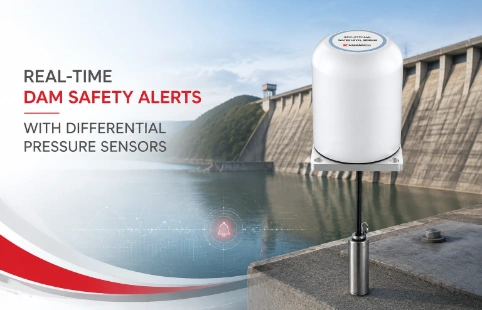
Real-Time Dam Safety Alerts with Differential Pressure Water Level Sensors
Key Takeaways An alert chain needs more than a sensor: define field in...

Weir Flow Meter Solution That Fits Your Site, Not the Other Way Around
When an irrigation district in Southeast Asia kept getting inconsistent flow readings from their aging mechanical meters, the problem wasn’t the weir. It was the one-size-fits-all sensor package that couldn’t handle silty water and temperature swings. That’s the kind of scenario where a weir flow meter solution needs to adapt—not just to the hydraulics, but to what’s actually in the water and how the site is maintained. At Kingmach, we supply ultrasonic and submersible level transmitters that pair with standard weir plates, and we match the instrument to the installation: stilling well or direct mount, RS485 or 4–20 mA output, and housings that survive monsoon season. Instead of starting from a catalog, we start with your channel dimensions, expected flow range, and maintenance realities. That way the meter keeps working long after commissioning.
Technical Detail
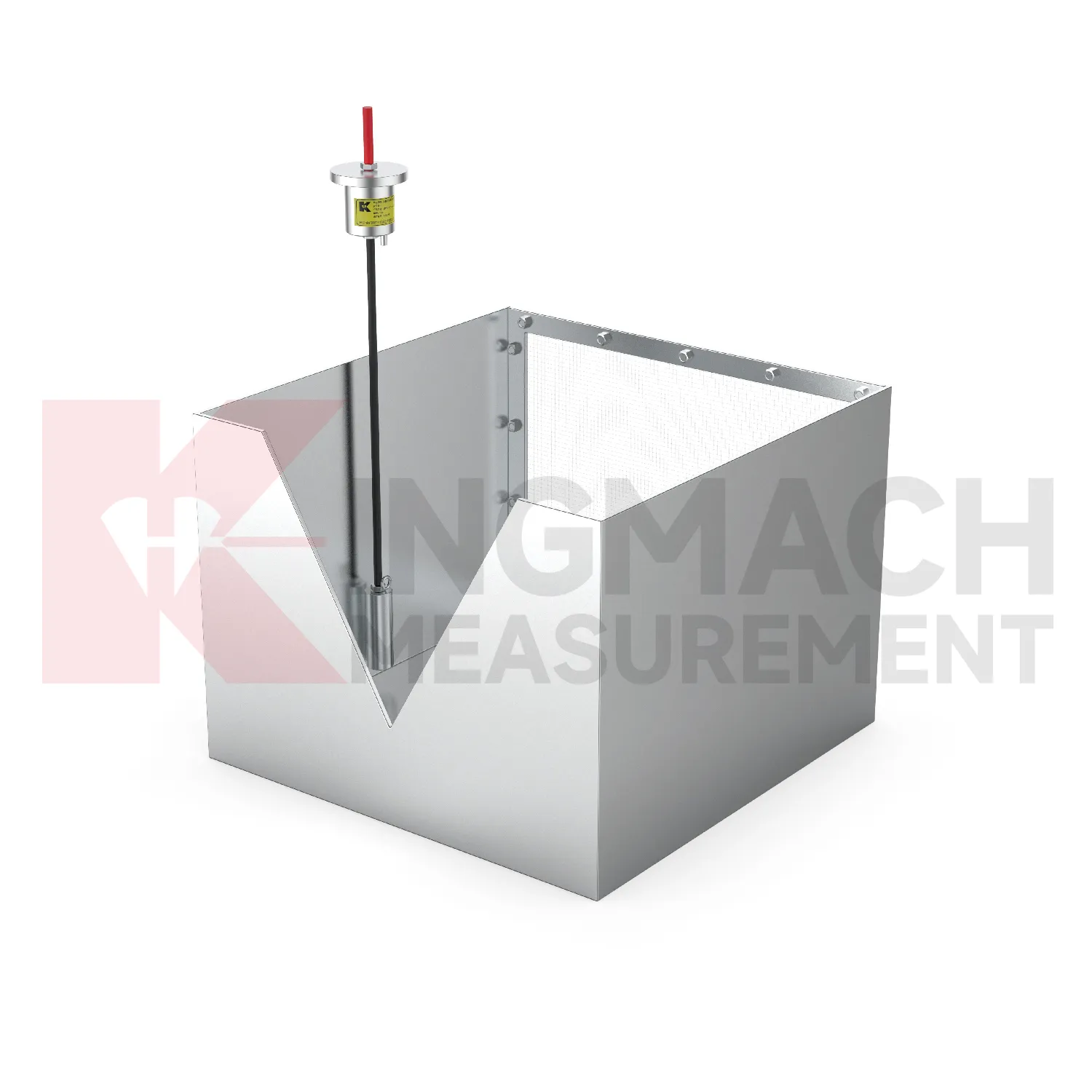
A workable weir flow meter solution depends less on the sensor alone than on how the whole measurement loop is put together. Kingmach provides the level sensor, a local display or remote transmitter, and the flow calculation package. The sensor uses either ultrasonic time-of-flight or hydrostatic level sensing—the choice depends on whether the channel carries debris, foam, or heavy sediment. Ultrasonic models, for example, work well in cleaner water and are simple to install above the flow, while submersible pressure transmitters are often preferred in turbulent or cluttered channels. Both can be coupled with a wall-mounted controller that converts level to flow using standard weir equations (rectangular, V-notch, Cipolletti) stored in firmware. We routinely customize cable lengths, mounting brackets, and enclosure materials for corrosive or high-humidity sites. Because our manufacturing covers geotechnical and hydrological sensors broadly, our engineers often integrate the weir meter with nearby rain gauges or water quality sondes under a single Modbus network. Global distribution means you can get local language support and spare parts without excessive lead times, while our technical team reviews your weir drawing and hydraulic assumptions before shipment to catch potential range or installation issues early.
News
Key Takeaways An alert chain needs more than a sensor: define field in...
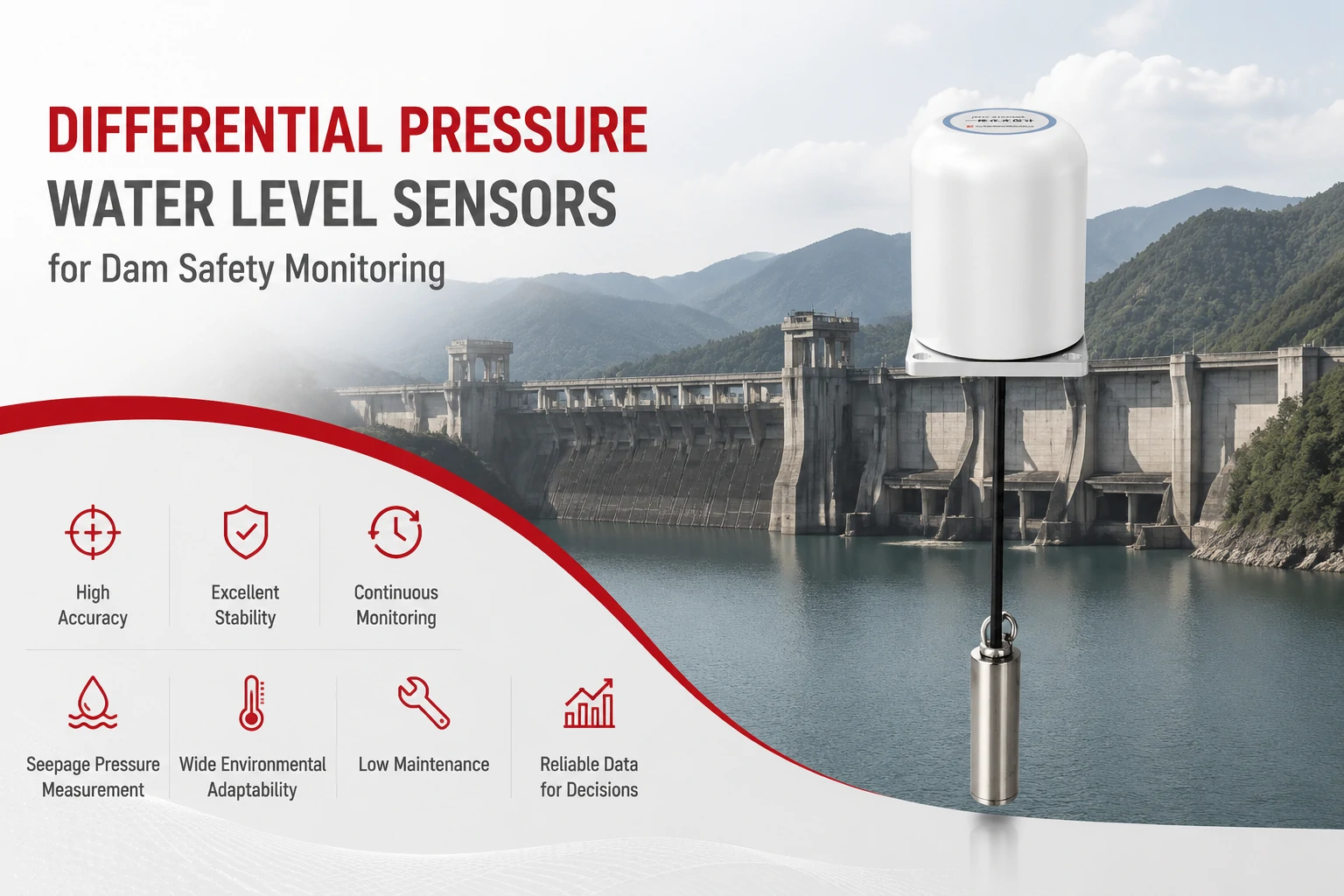
Key Takeaways The strongest fit is usually a confined, submerged, or s...
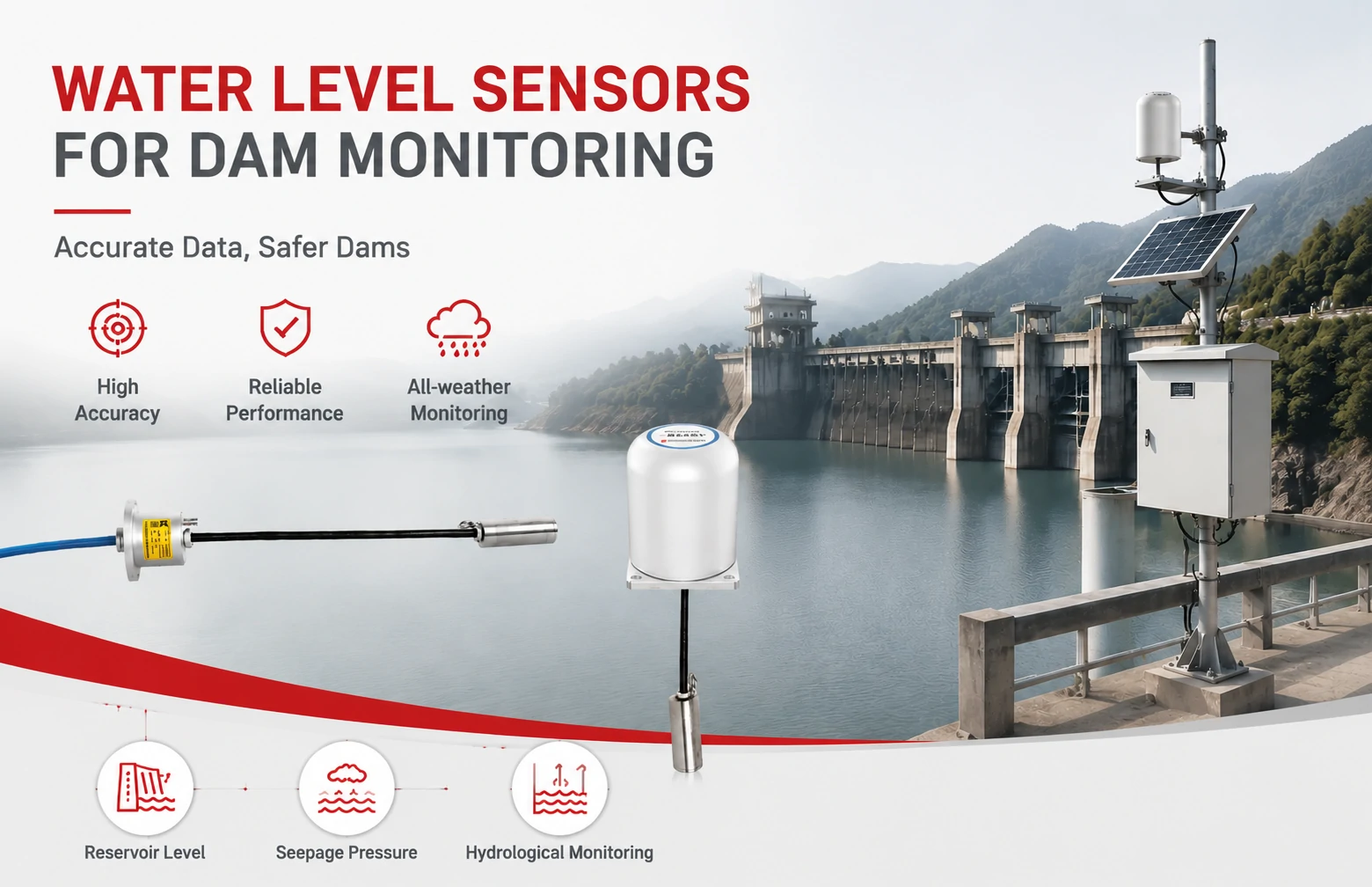
Kingmach Water Level Sensors for Dam Monitoring: A Buyer's Guide to Differential Pre...
Products
FAQ
Total system accuracy depends on the weir condition, the level sensor resolution, and proper installation. We typically supply level transmitters with ±0.25% full-scale accuracy, and when paired with a well-maintained standard weir, overall flow uncertainty often falls within ±2–5% in field conditions. We can provide a prior uncertainty estimate if you share your channel profile and expected flows.
Yes, many of our customers use the same sensor types for seasonal irrigation monitoring and permanent wastewater stations. For temporary setups we offer portable mounting brackets and battery-powered loggers; permanent sites get IP68 enclosures and lightning protection. We’ll help you choose the right weatherproofing and power supply configuration based on how long the meter will stay in the field.
Our controllers come preloaded with formulas for commonly used weirs, but if you have a custom profile or a compound weir, our team can derive the rating equation from your as-built drawings and program it into the transmitter. The flow calculation runs locally in the instrument, so you get real-time flow without extra PLC logic.
We often work with first-time users—irrigation cooperatives, small water authorities, or engineering consultants. You can send us site photos and a sketch of the channel, and we’ll propose the sensor, mounting method, and cable routing. After installation, remote assistance and on-site visits through our local distributors are available to check the zero reference, clean the sensor, and adjust parameters.
Generally, retrofitting a weir meter to an existing weir costs less than building a new flume. Maintenance involves periodic cleaning of the level sensor (especially in silty water) and checking the weir crest for debris or erosion. Compared to mechanical float-operated recorders, ultrasonic sensors have no moving parts and usually need less attention. We can provide a total cost comparison once you share current maintenance hours and spare parts spend.
Share your product type, target capacity, and application requirements. Our team can review the details and recommend a practical next step.
If you are interested in our products or want to become our partner.
Please leave your contact information, our team will contact you as soon as possible.
Mail: [email protected]
Contact Us: +8613808434127
Address: No. 188 Tongzipo West Rd, Changsha, Hunan, China