
 EN
EN
 ar
ar bg
bg hr
hr cs
cs da
da nl
nl fi
fi fr
fr de
de el
el hi
hi it
it ko
ko no
no pl
pl pt
pt ro
ro ru
ru es
es sv
sv tl
tl iw
iw id
id lv
lv lt
lt sr
sr sk
sk sl
sl uk
uk vi
vi et
et hu
hu th
th tr
tr fa
fa ms
ms hy
hy ka
ka ur
ur bn
bn mn
mn ta
ta kk
kk uz
uz ku
ku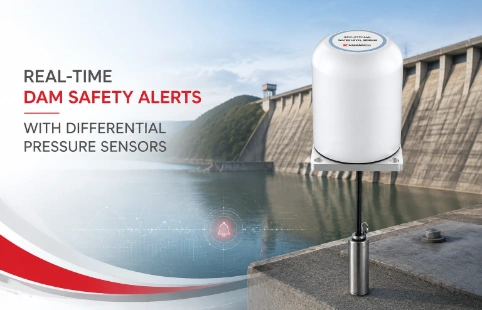
Real-Time Dam Safety Alerts with Differential Pressure Water Level Sensors
Key Takeaways An alert chain needs more than a sensor: define field in...

Wireless Vibration Sensor: Keep Tunnels and Structures Safe
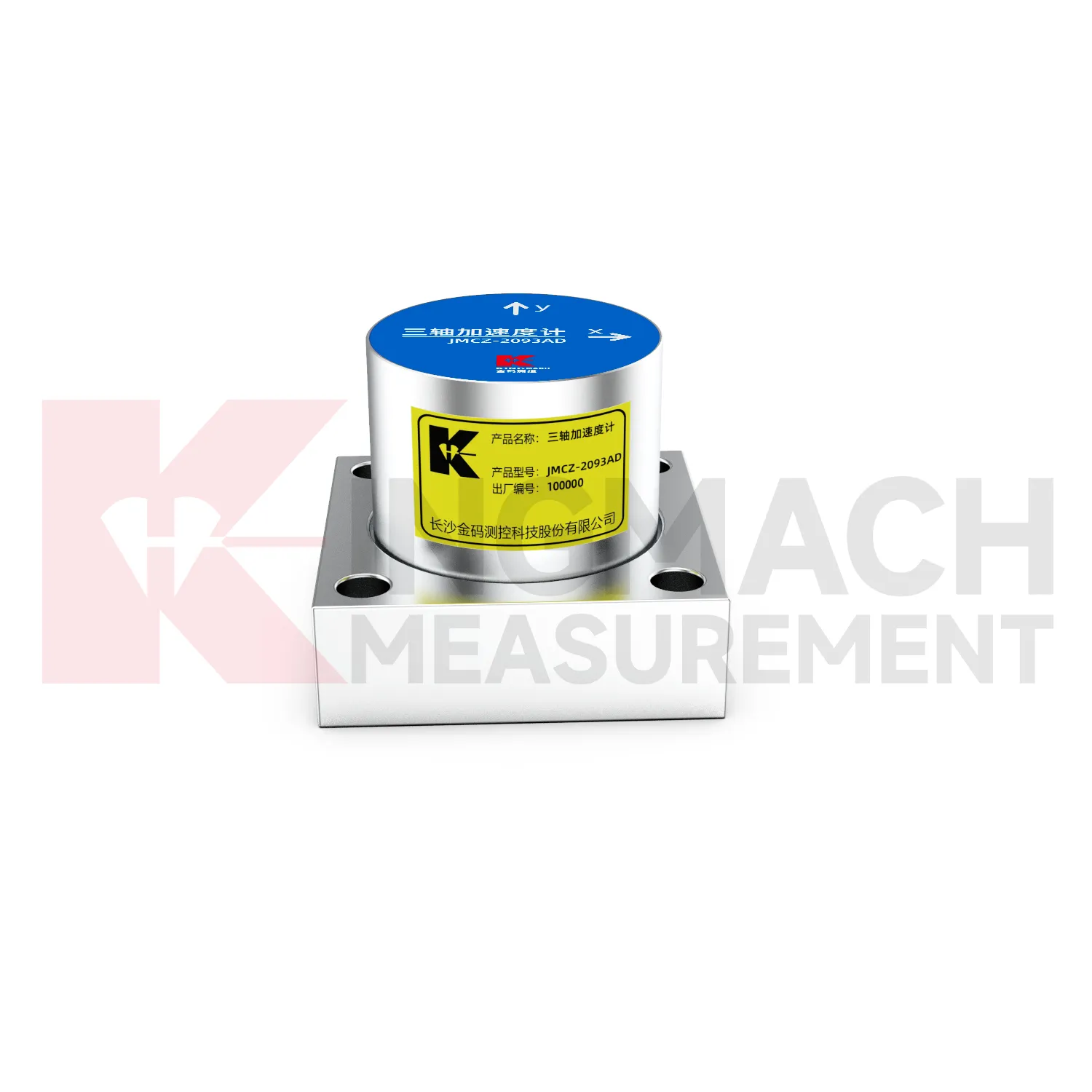
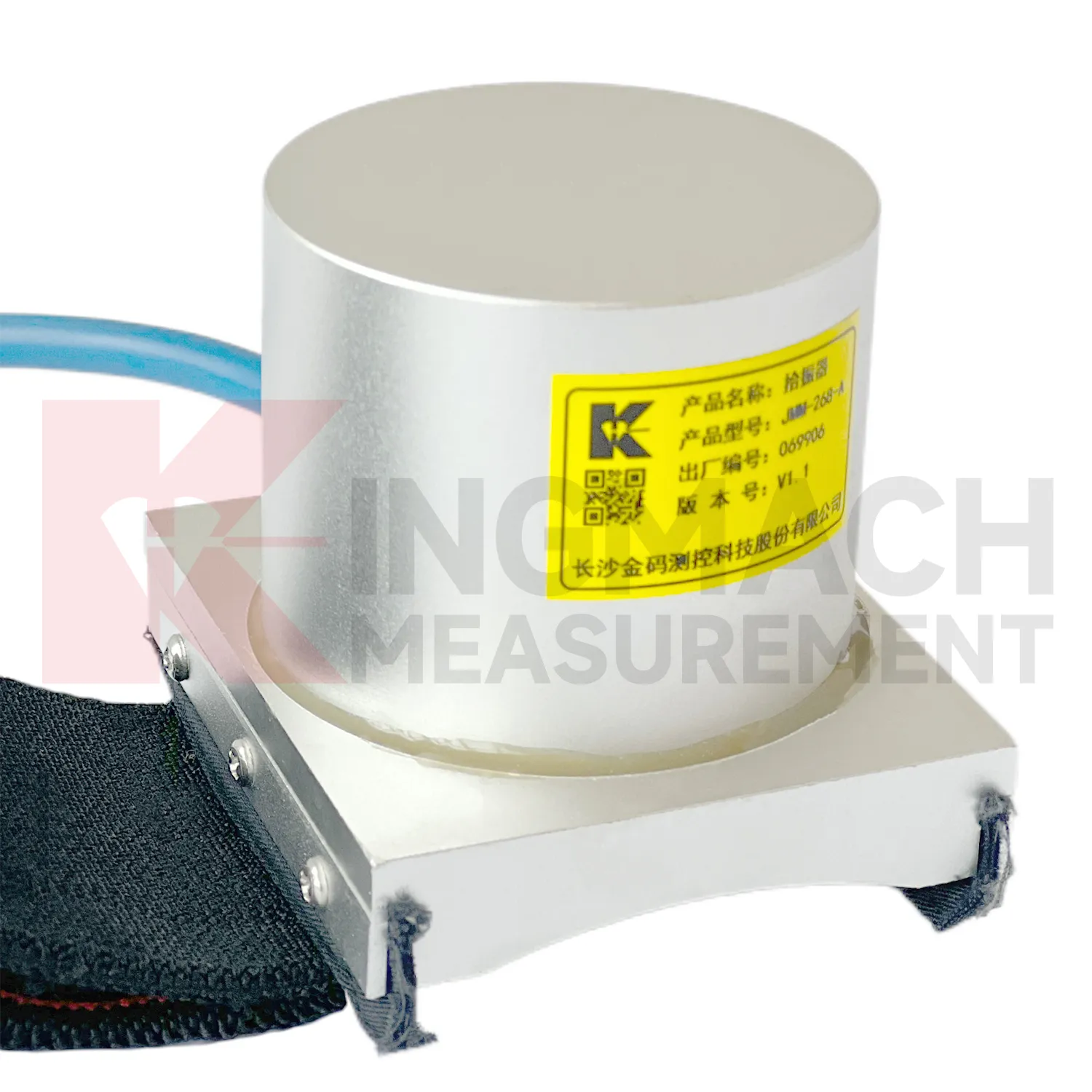
In underground construction, vibrations travel faster than anyone expects. A pile driver two blocks away can crack a historic façade before the crew even realizes it. That’s not panic talk—it’s the daily headache for geotechnical engineers. A wireless vibration sensor doesn’t magically stop the shaking, but it gives you the data to react before minor vibrations turn into major repairs. Kingmach builds these sensors with a focus on long-term field reliability, the kind that holds up when rain, dust, and 24-hour operations are the norm. This page breaks down what the sensor does, where it fits in a monitoring network, and why customization often makes the difference between a sensor that works on paper and one that works on-site.
Technical Detail
Kingmach’s approach to the wireless vibration sensor starts with a simple idea: engineers need data they can trust without making a trip to the site every time the weather changes. The sensor measures acceleration or velocity and transmits readings over LoRa, 4G, or Wi-Fi, depending on the network available. Installation doesn’t require heavy cabling, which reduces both cost and the chance of equipment getting snagged on moving machinery. Housing is typically stainless steel or aluminum, sealed against moisture and dust, and the mounting brackets are adaptable for concrete, steel beams, or soil-anchored setups. Sensitivity can be factory-tuned to the frequency range common in blasting, pile driving, or traffic-induced vibration. That kind of adjustment isn’t always available with off-the-shelf units. Since Kingmach is primarily a geotechnical instrument manufacturer, the sensor integrates naturally with in-place inclinometers, crack meters, or tiltmeters already in use—so you’re not juggling three different software dashboards at once. Battery life is another frequent sticking point; here, the standard configuration runs on a user-replaceable lithium pack that can last six to eighteen months under typical hourly sampling intervals. For longer deployments, external solar panels or larger battery packs are offered. Custom requests are common: triggering an alert only when vibration exceeds a threshold for a set duration, logging raw waveform data during critical events, or outputting in a specific protocol for legacy SCADA systems. The manufacturing site in Chengdu handles both standard runs and one-off modifications, with lead times that adjust accordingly. Global shipments are supported by regional partners who can help with calibration checks and troubleshooting, so you aren’t left waiting on a time-zone gap when a sensor stops reporting.
News
Key Takeaways An alert chain needs more than a sensor: define field in...
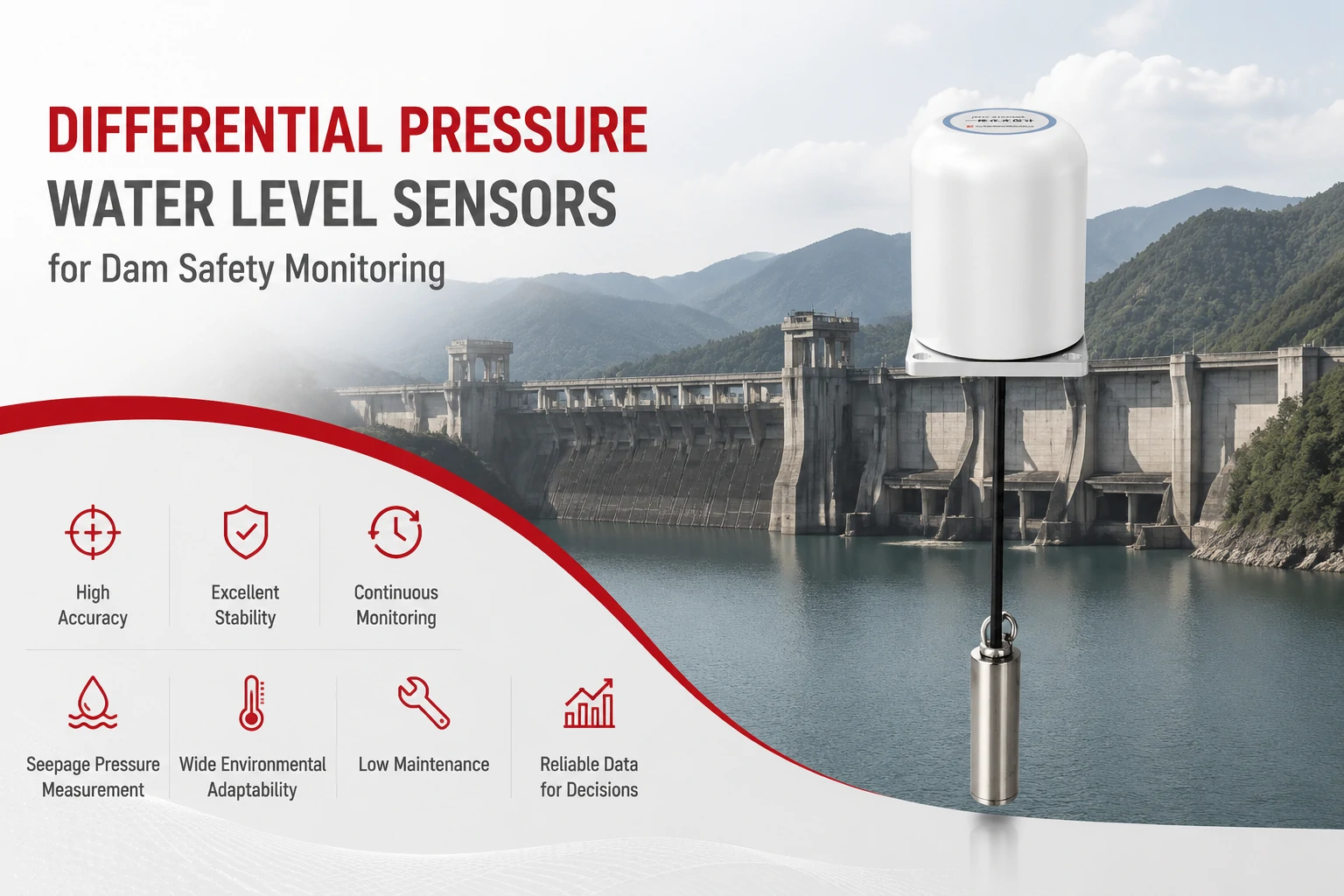
Key Takeaways The strongest fit is usually a confined, submerged, or s...
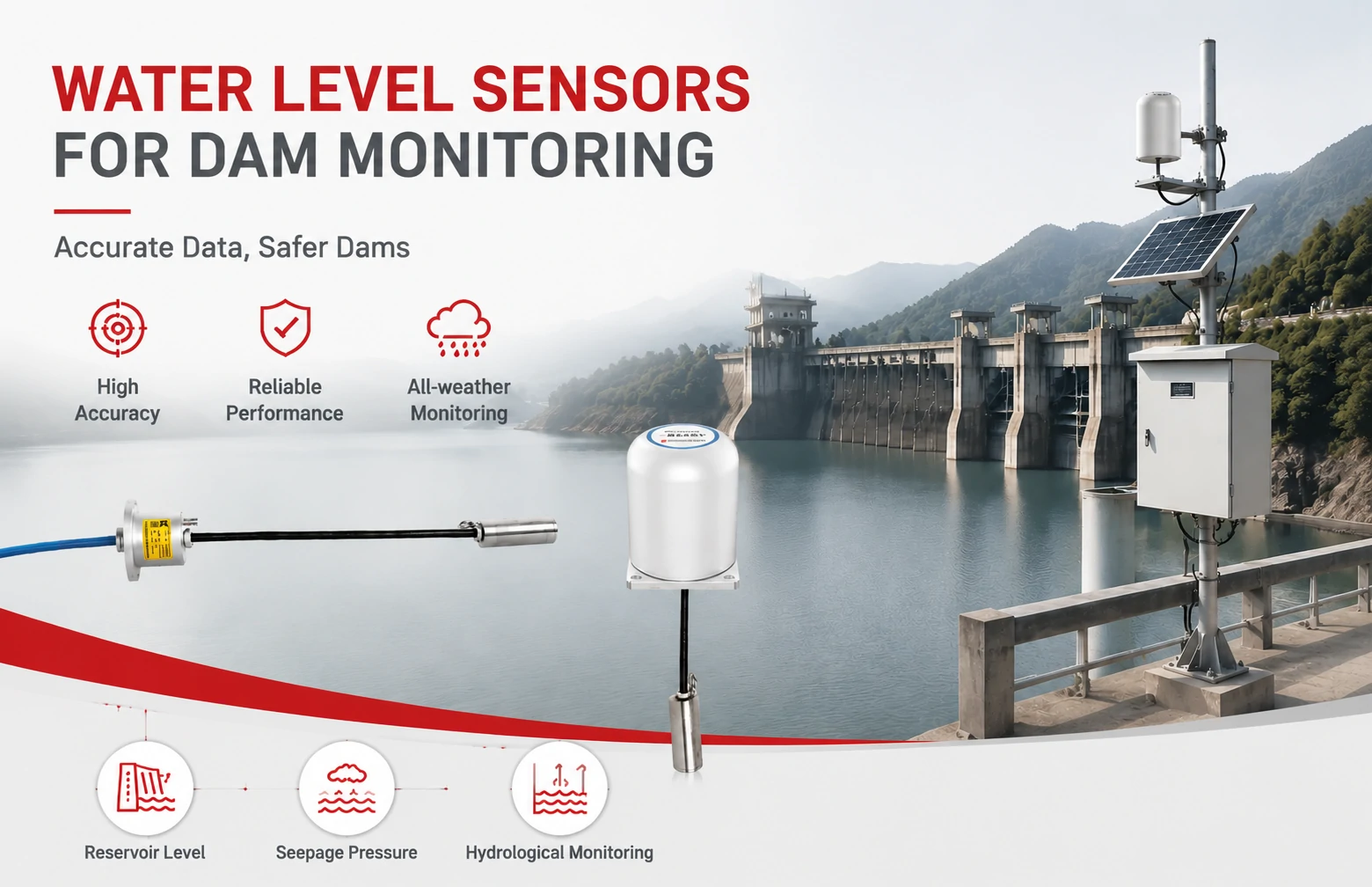
Kingmach Water Level Sensors for Dam Monitoring: A Buyer's Guide to Differential Pre...
Products
FAQ
You skip trenching and conduit on a construction site where the layout changes weekly. It also keeps the data flowing when a section of cable gets cut or crushed—something that happens more often than most people admit. Remote access means the engineering team can check readings from the office instead of sending someone out with a laptop.
That depends on the sensing element and firmware settings. Kingmach can tune the sensor’s frequency range during production—commonly 0.1 Hz to several hundred Hz. Blasting typically lives in the low end, while machinery runs higher. If you need to cover both, we often supply a dual-range configuration or two separate units to avoid measurement gaps.
The sensor reports battery level alongside vibration data, so you get a warning days or weeks before it shuts down. For longer projects, we recommend scheduling replacement based on your measurement interval. Some teams swap batteries as a routine during site visits just to be safe.
In most cases, yes. Standard output includes JSON, CSV, or Modbus TCP. If your platform needs something specific—like FTP uploads or a particular payload format—we can adjust the firmware. It’s a common customization request that usually adds minimal lead time.
The housing is designed for outdoor exposure (IP67 or higher, depending on the model) but no sensor is lightning-proof. We recommend external surge protection for fixed installations in open areas. Submersion beyond a few hours will eventually compromise the seal—if that’s a real risk, we can discuss extra encapsulation or a vented enclosure option.
Share your product type, target capacity, and application requirements. Our team can review the details and recommend a practical next step.
If you are interested in our products or want to become our partner.
Please leave your contact information, our team will contact you as soon as possible.
Mail: [email protected]
Contact Us: +8613808434127
Address: No. 188 Tongzipo West Rd, Changsha, Hunan, China