
 EN
EN
 ar
ar bg
bg hr
hr cs
cs da
da nl
nl fi
fi fr
fr de
de el
el hi
hi it
it ko
ko no
no pl
pl pt
pt ro
ro ru
ru es
es sv
sv tl
tl iw
iw id
id lv
lv lt
lt sr
sr sk
sk sl
sl uk
uk vi
vi et
et hu
hu th
th tr
tr fa
fa ms
ms hy
hy ka
ka ur
ur bn
bn mn
mn ta
ta kk
kk uz
uz ku
ku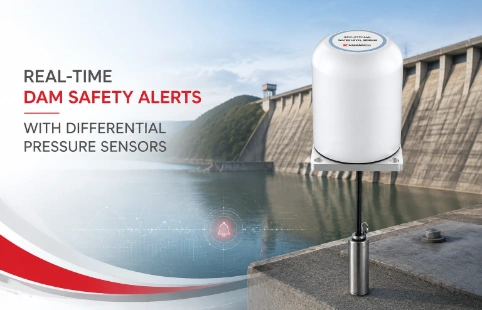
Real-Time Dam Safety Alerts with Differential Pressure Water Level Sensors
Key Takeaways An alert chain needs more than a sensor: define field in...

Steel Wire Displacement Meter: Smart Formwork Monitoring
In tunnel lining construction, even minor formwork deflection can lead to concrete overbreak or safety hazards. Monitoring displacements in real time helps crews adjust pressure and alignment on the spot. Kingmach’s steel wire displacement meter, part of a broader geotechnical instrument lineup, tackles this by linking a robust wire transducer to the formwork panel and a fixed reference. The sensor measures linear movement with a typical resolution of 0.01 mm, capturing shifts that manual checks often miss. Unlike complex laser setups, this device works reliably in dust, moisture, and confined spaces. Field crews appreciate the straightforward installation—just anchor the wire and route it to a readout unit or data logger. Custom cable lengths and mounting brackets are available for different tunnel profiles or custom formwork systems. The data feeds into common monitoring platforms via 4-20 mA or RS485, keeping it compatible with existing SCADA systems.
Technical Detail
The steel wire displacement meter from Kingmach converts mechanical displacement of a formwork surface into an electrical signal via a spring-loaded wire and potentiometric or LVDT sensor. Standard models cover ranges from 25 mm to 500 mm, with higher ranges available for large-span structures. The wire is stainless steel, resisting corrosion in wet grout environments, and the sensor housing is IP65-rated for tunnel conditions. Temperature compensation is built in, reducing drift from ambient changes. Output options include 0-5V, 4-20 mA, or modbus RS485, simplifying integration with data loggers or wireless nodes. For a typical tunnel lining application, technicians fix the meter to a stable reference, attach the wire end to the formwork, and pre-tension the spring. As concrete is pumped and pressure builds, the monitor tracks displacement in real time. Alerts can be set for preset thresholds. Kingmach provides pre-sale technical support to help select the right range and mounting accessories. The company also offers calibration certificates and after-sales service through its global network. Compared to vibrating wire sensors, the steel wire type often responds faster and does not require a special readout, making it a practical choice for dynamic formwork monitoring. The modular design allows replacement of the transducer without removing the entire assembly. Custom cable lengths up to 200 m can be supplied, with shielded cables to reduce electrical noise. This meter is also used for monitoring joint openings in retaining walls, slope creep, and structural cracks.
News
Key Takeaways An alert chain needs more than a sensor: define field in...
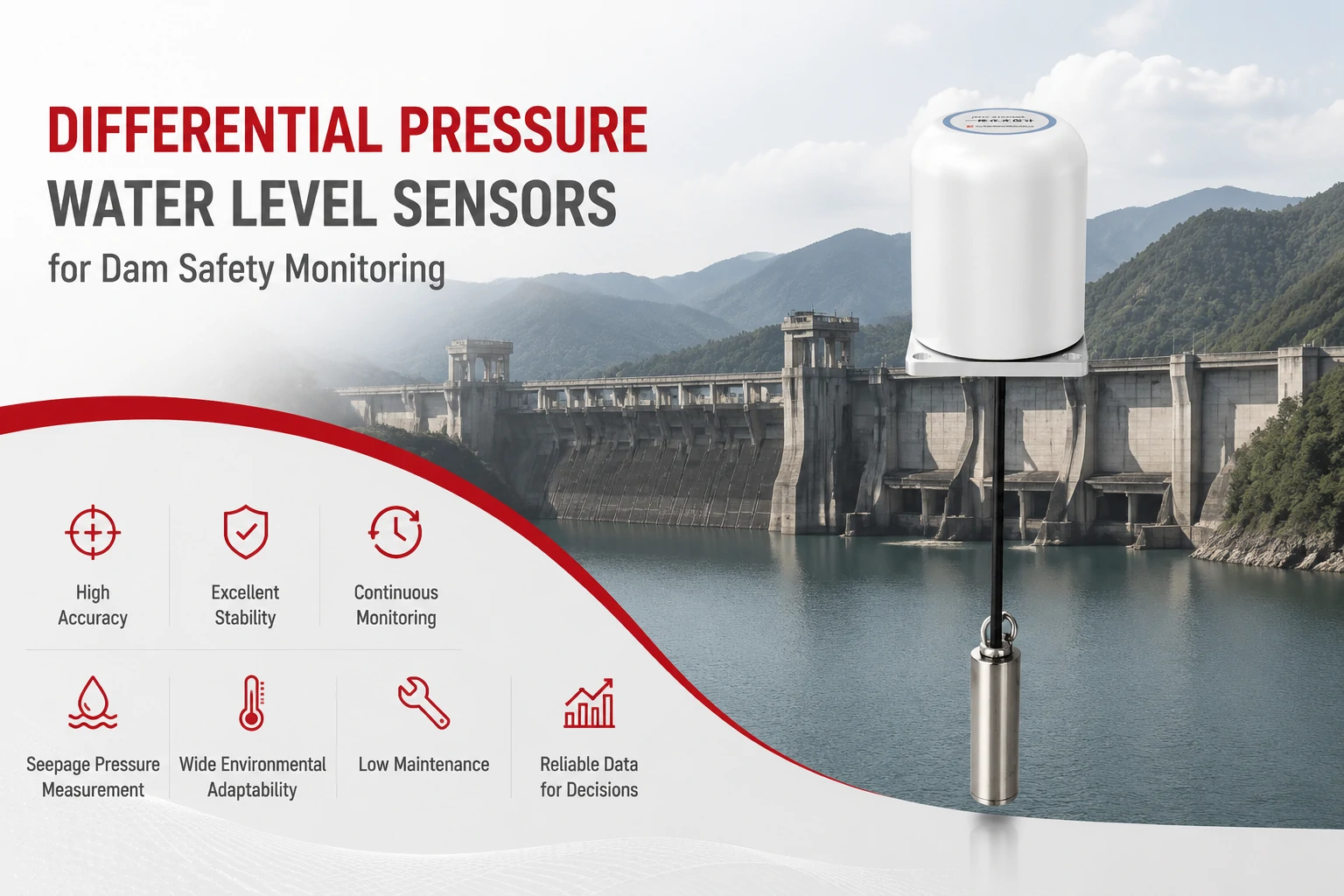
Key Takeaways The strongest fit is usually a confined, submerged, or s...
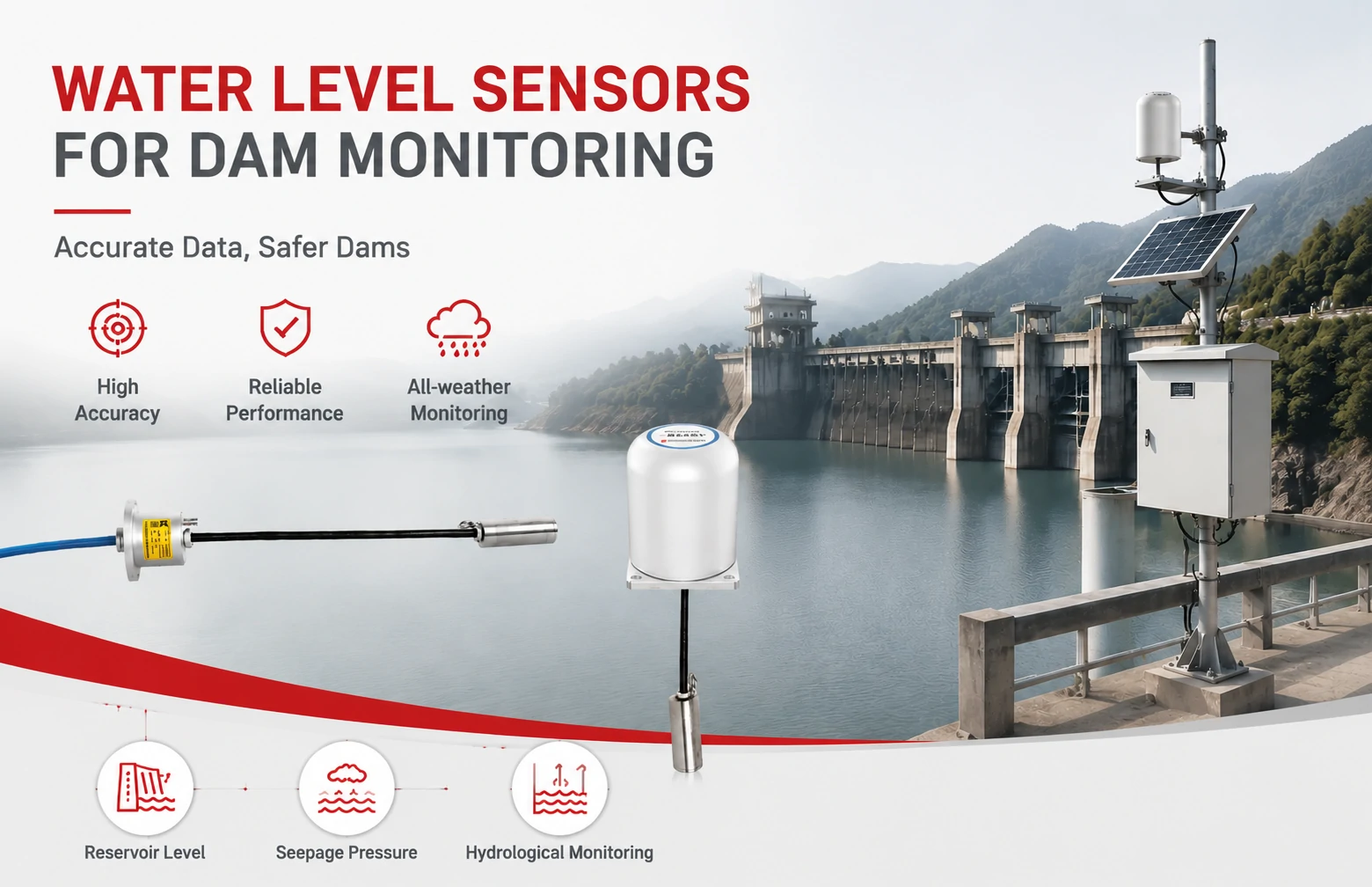
Kingmach Water Level Sensors for Dam Monitoring: A Buyer's Guide to Differential Pre...
Products
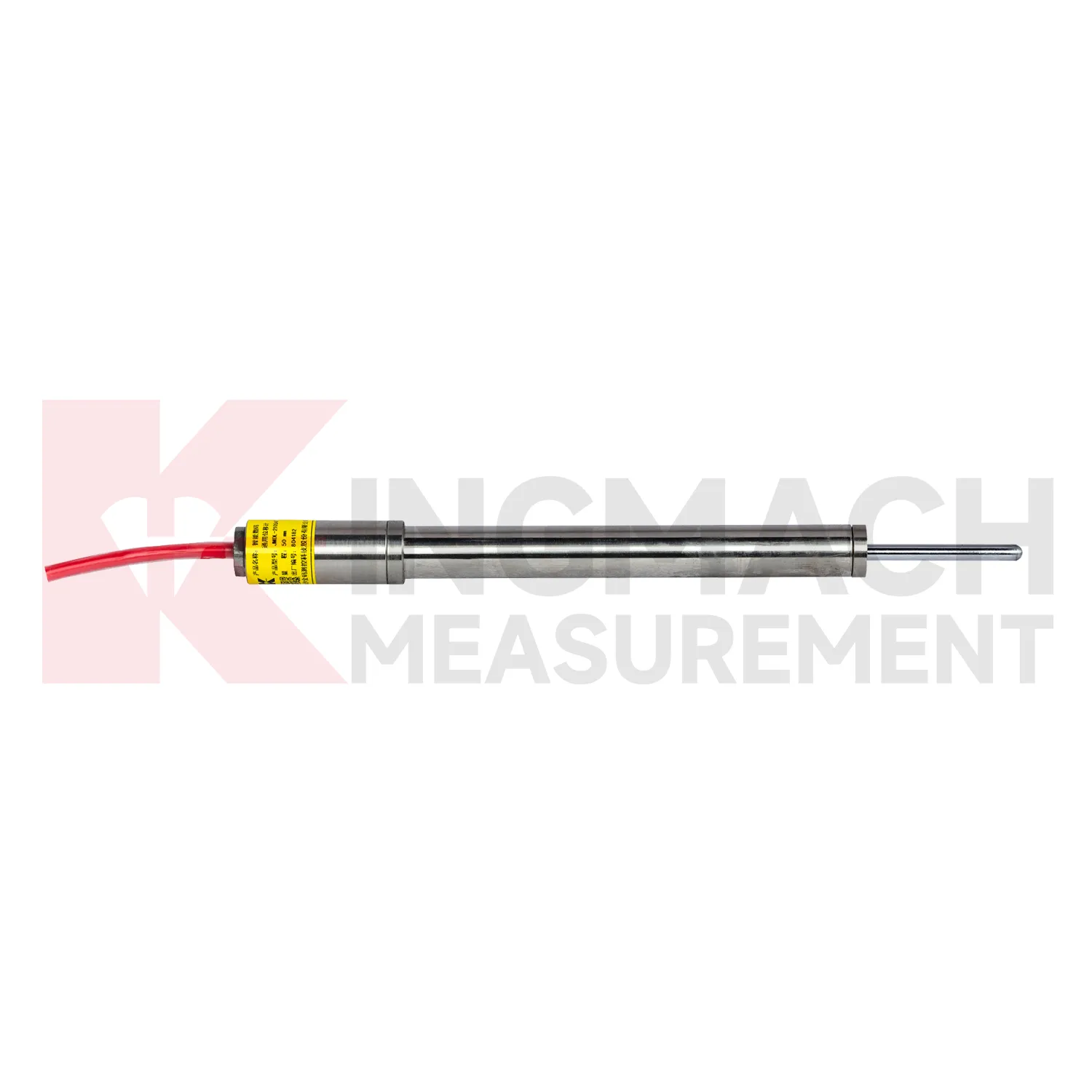
Smart General-Purpose Displacement MeterJMDL-21XXAT
View Details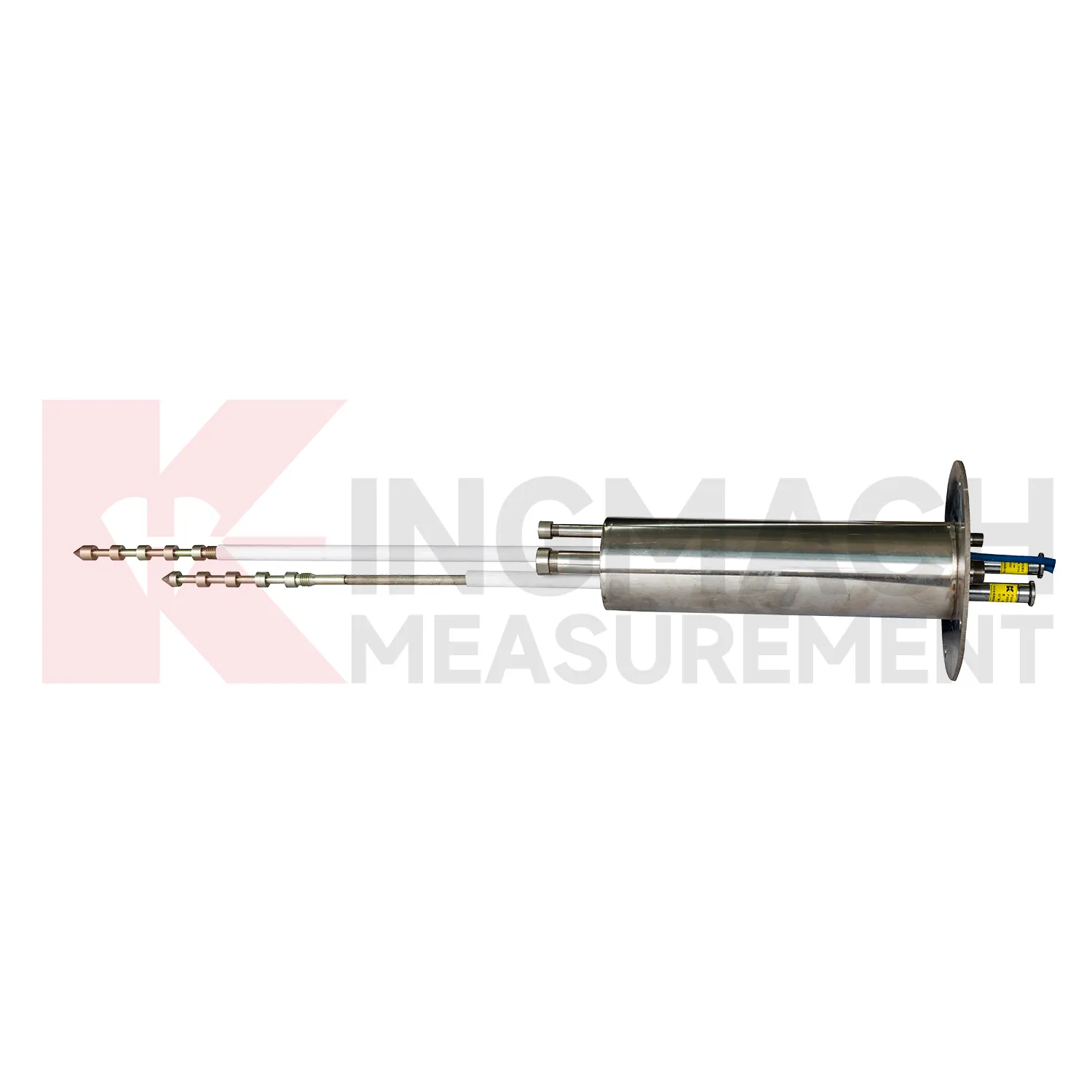
Smart Multipoint Displacement Meter JMDL-31XXAT
View Details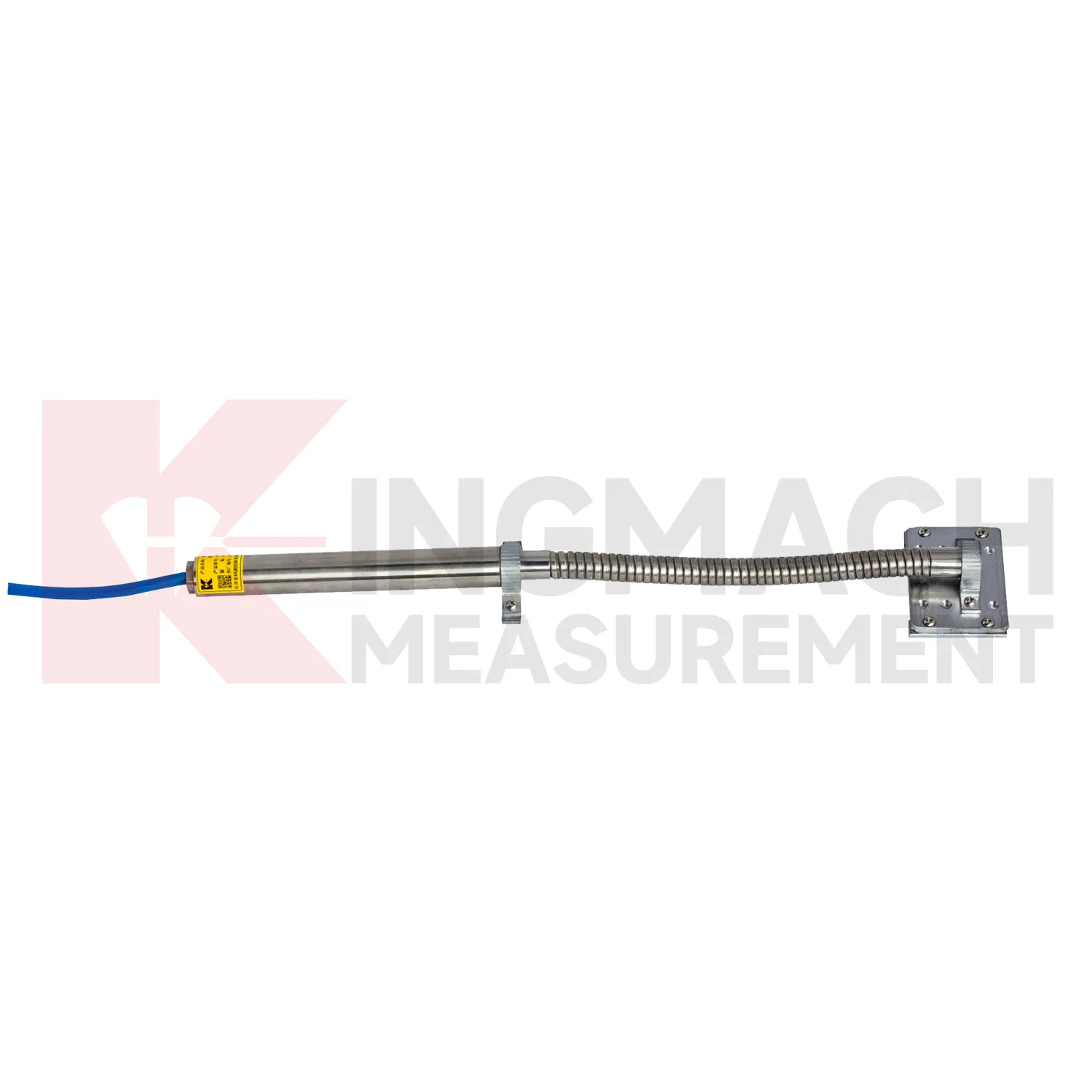
Smart Flexible Displacement Meter JMDL-24XXAT
View DetailsFAQ
Steel wire displacement meters typically use a potentiometric or LVDT sensing element, giving a real-time analog output (4-20 mA or voltage) that doesn’t need a special readout. Vibrating wire types require a frequency reader and are often used in long-term geotechnical monitoring. For formwork applications, where quick response and simple data logging are priorities, the steel wire type is usually more practical. Kingmach can supply either depending on your project requirements.
Yes, the sensor housing is sealed to IP65, and the stainless steel wire resists corrosion from cementitious materials. However, it’s recommended to mount the transducer body in a protected box or above the splash zone if possible. Extra protective boots are available for harsh conditions.
Typical linearity is ±0.1% of full scale. For a 200 mm range, that’s about ±0.2 mm repeatability. This is usually sufficient for tracking formwork movement during concrete placing, where acceptable tolerances are often a few millimeters.
With proper anchors and pre-assembled mounts, a single person can install and connect a meter in 15–20 minutes. The wire hook and spring-loading mechanism are designed for quick setup without specialist tools.
Yes, our meters can be assigned unique addresses if using RS485 (Modbus). For analog versions, you’d need one channel per sensor on a multi-channel logger. Kingmach can recommend compatible loggers and provide wiring schematics.
Share your product type, target capacity, and application requirements. Our team can review the details and recommend a practical next step.
If you are interested in our products or want to become our partner.
Please leave your contact information, our team will contact you as soon as possible.
Mail: [email protected]
Contact Us: +8613808434127
Address: No. 188 Tongzipo West Rd, Changsha, Hunan, China