
 EN
EN
 ar
ar bg
bg hr
hr cs
cs da
da nl
nl fi
fi fr
fr de
de el
el hi
hi it
it ko
ko no
no pl
pl pt
pt ro
ro ru
ru es
es sv
sv tl
tl iw
iw id
id lv
lv lt
lt sr
sr sk
sk sl
sl uk
uk vi
vi et
et hu
hu th
th tr
tr fa
fa ms
ms hy
hy ka
ka ur
ur bn
bn mn
mn ta
ta kk
kk uz
uz ku
ku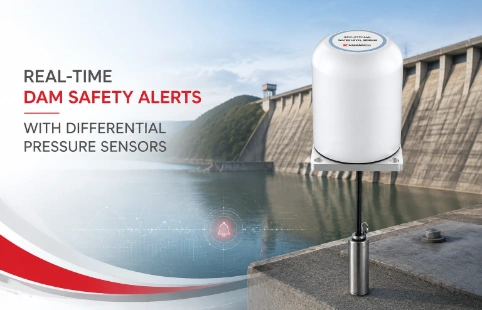
Real-Time Dam Safety Alerts with Differential Pressure Water Level Sensors
Key Takeaways An alert chain needs more than a sensor: define field in...

Kingmach Extensometers: Accurate Deformation Monitoring
Finding an extensometer that holds up in tough field conditions can be a headache. At Kingmach, we've spent years refining our measurement instruments to match real-world demands. Our extensometers cover a wide range—from borehole types for subsurface monitoring to surface-mounted models for structures. We work with engineers who need repeatable data without constant recalibration. Rather than offering a one-size-fits-all box, we adapt the gauge length, range, and output signal to your project. That means if you're monitoring a dam, tunnel, or deep excavation, the extensometer reads what matters, in the units you prefer. And because we handle production in-house, we can ship with the documentation and support your field crews actually need.
Technical Detail
At Kingmach Measurement & Monitoring Technology, extensometers are built with field reliability in mind. We manufacture a broad range—borehole extensometers for rock mass displacement, surface extensometers for crack monitoring, and tape extensometers for convergence measurements. The sensors typically use vibrating wire or potentiometric transducers, so you can choose what fits your data logger. Available measurement spans start at just a few millimeters and can extend beyond a meter, with a common accuracy of ±0.1% FS. Our engineering team can adjust parameters like gauge length, cable length, and output signal (4-20 mA, RS485, etc.) to match your existing setup. Since we keep a modular inventory, lead times are reasonable, and we provide calibration certificates and installation guidance with every shipment. We also support custom anchoring systems when rock conditions are tricky. Globally, our distributors help bridge language and time-zone gaps, so technical support doesn't disappear after delivery. Whether you're instrumenting a mine roof, a bridge abutment, or a concrete dam, we can put together an extensometer package that doesn't force you to rework your monitoring strategy.
News
Key Takeaways An alert chain needs more than a sensor: define field in...
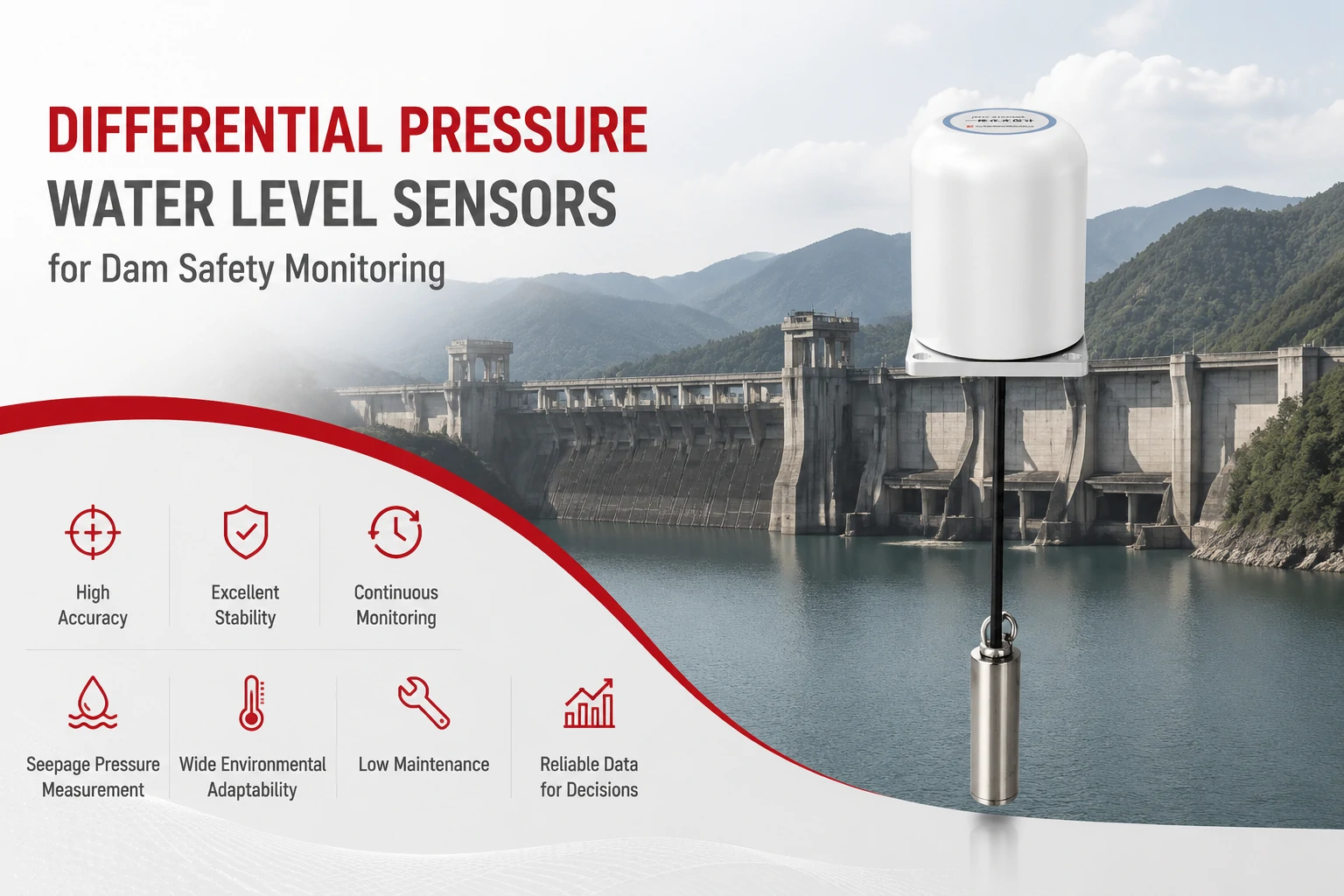
Key Takeaways The strongest fit is usually a confined, submerged, or s...
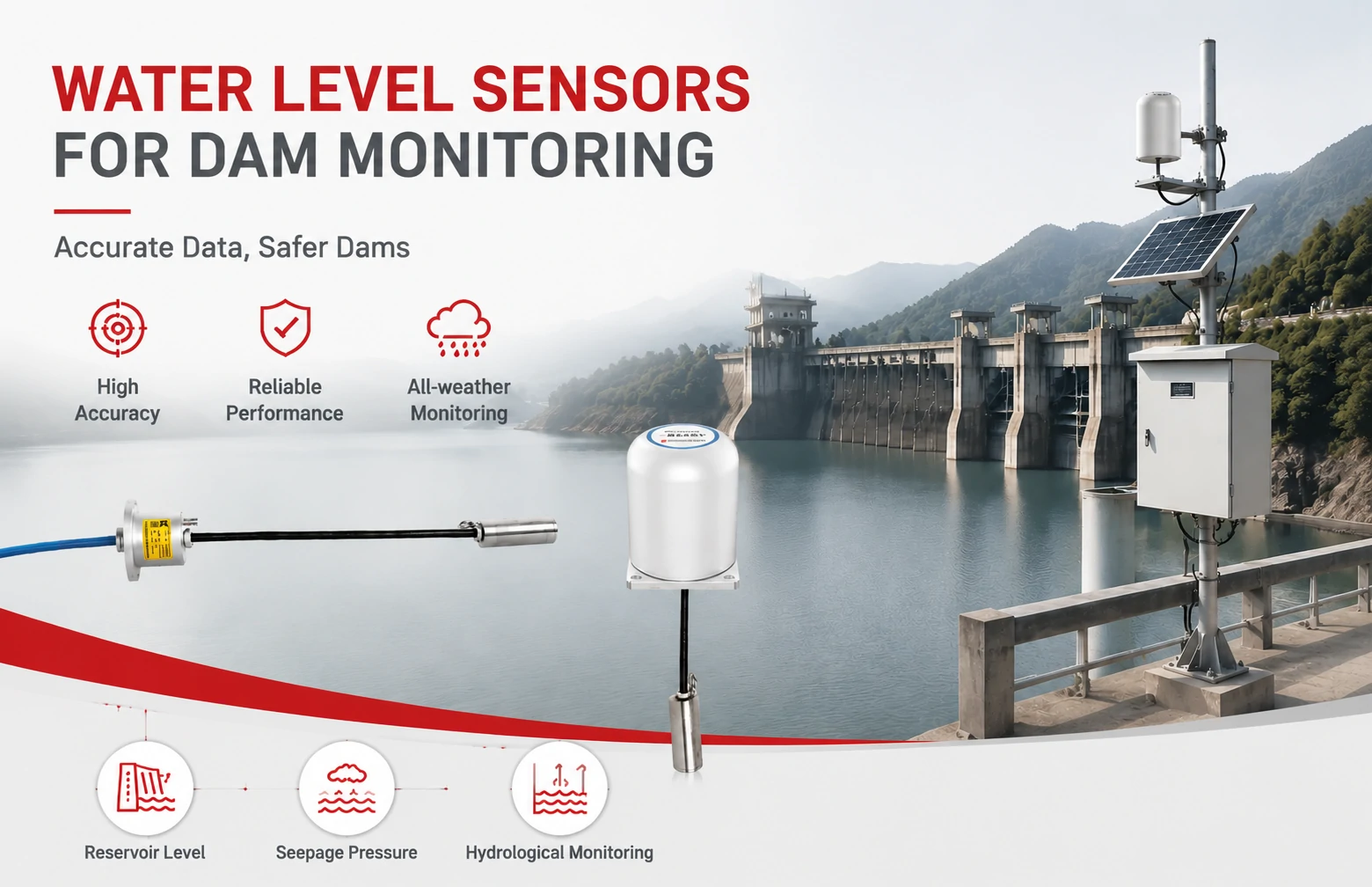
Kingmach Water Level Sensors for Dam Monitoring: A Buyer's Guide to Differential Pre...
Products
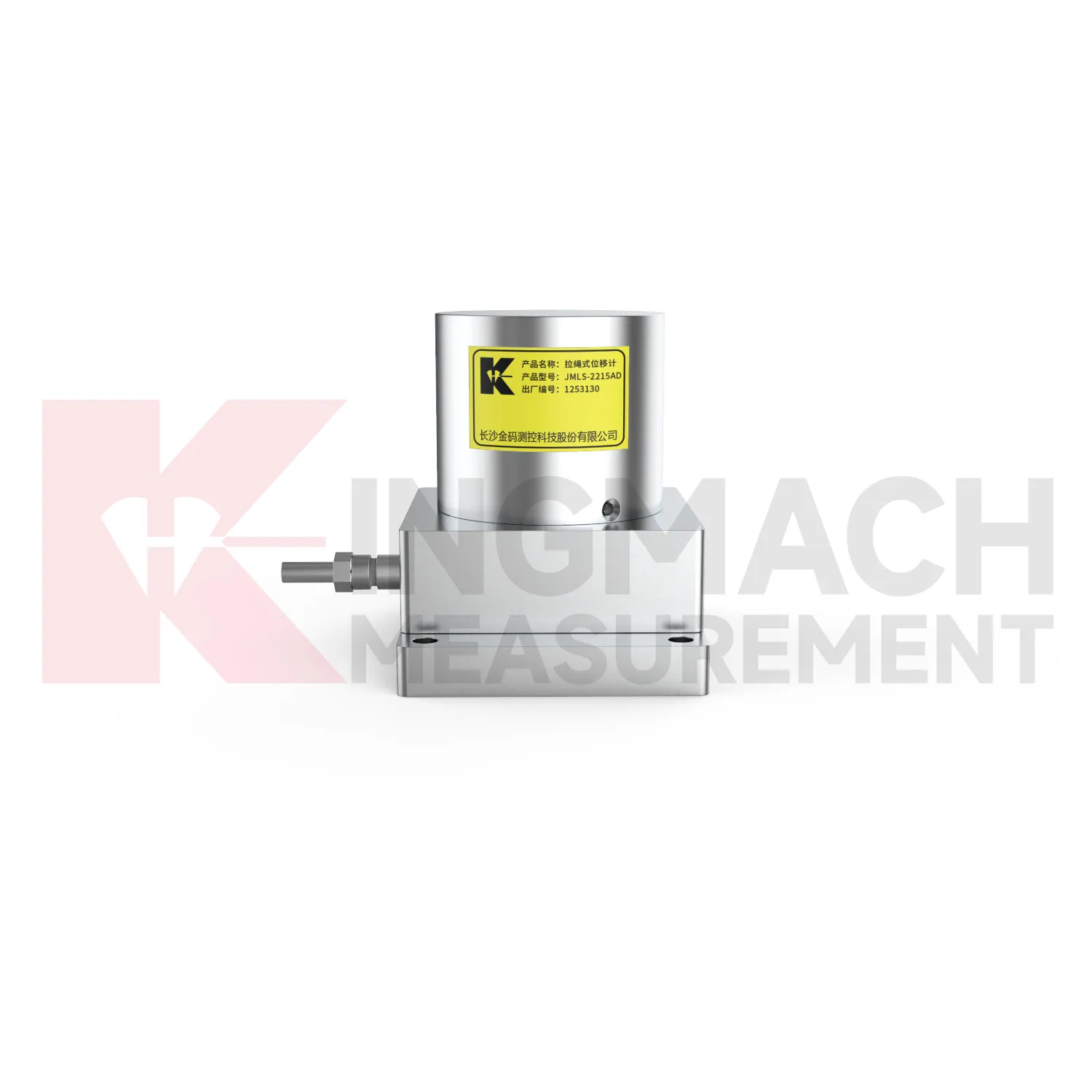
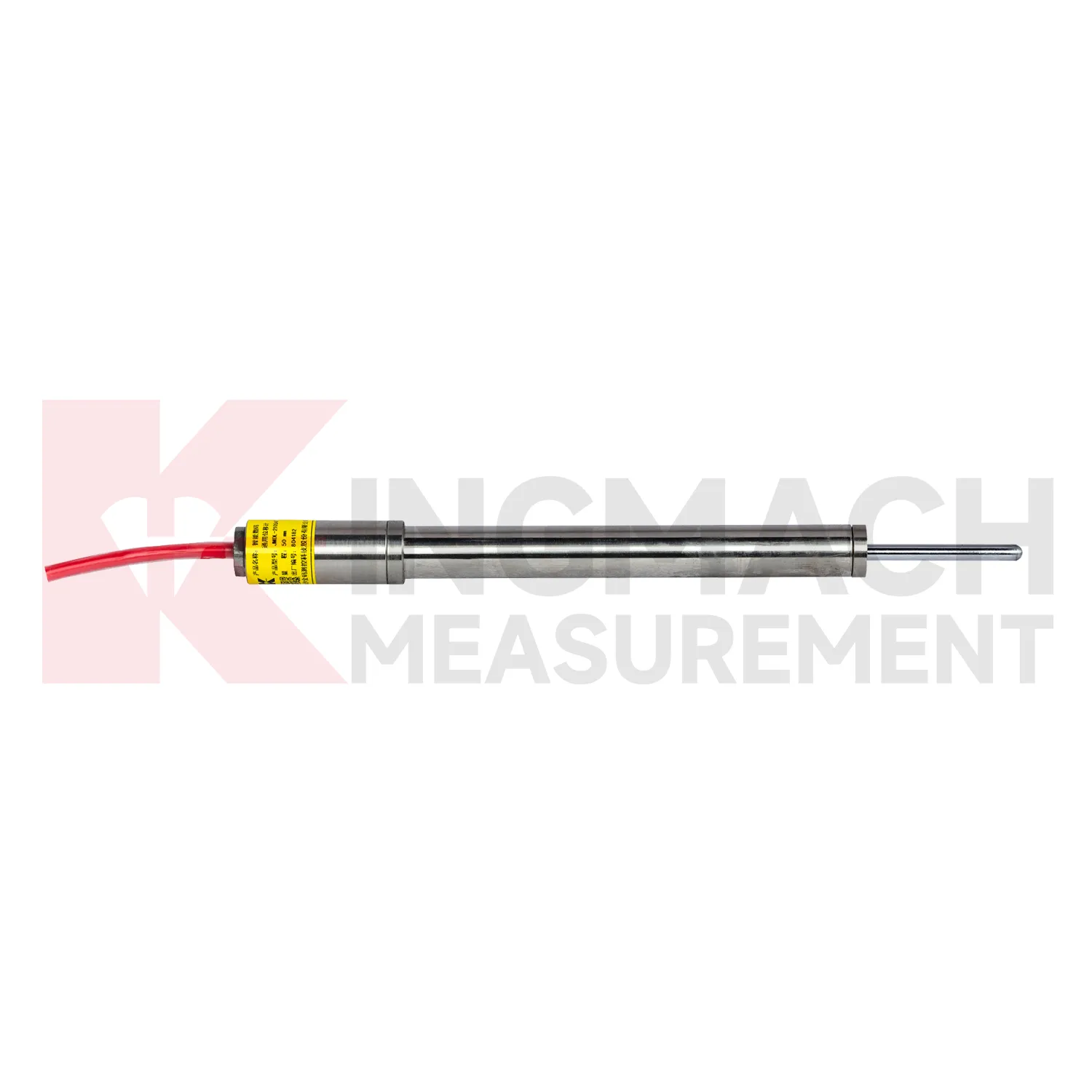
Smart General-Purpose Displacement MeterJMDL-21XXAT
View DetailsFAQ
Borehole extensometers are installed in drilled holes to measure subsurface displacement, often in rock or soil. Surface models mount externally on structures to track crack opening or joint movement. The choice comes down to where you need the data.
In most cases, yes. Our standard outputs include 4-20 mA and RS485, which are widely compatible. Just check the input specifications of your logger, and we can configure the sensor accordingly.
We offer several anchoring options, including grouted rebar anchors and expandable shell anchors, depending on the borehole condition. Our support team can review your ground report and suggest the best method.
Every extensometer leaves our factory with a calibration certificate traceable to national standards. If you need additional verification, we can arrange that as well.
It depends on the complexity, but our modular approach keeps most custom builds to a few weeks. We’ll give you a firm schedule once we review your requirements.
Share your product type, target capacity, and application requirements. Our team can review the details and recommend a practical next step.
If you are interested in our products or want to become our partner.
Please leave your contact information, our team will contact you as soon as possible.
Mail: [email protected]
Contact Us: +8613808434127
Address: No. 188 Tongzipo West Rd, Changsha, Hunan, China